How to Document a Near-Miss Tree Hazard in Katy Before Emergency Removal
Protect Your Property Before the Next Storm Hits
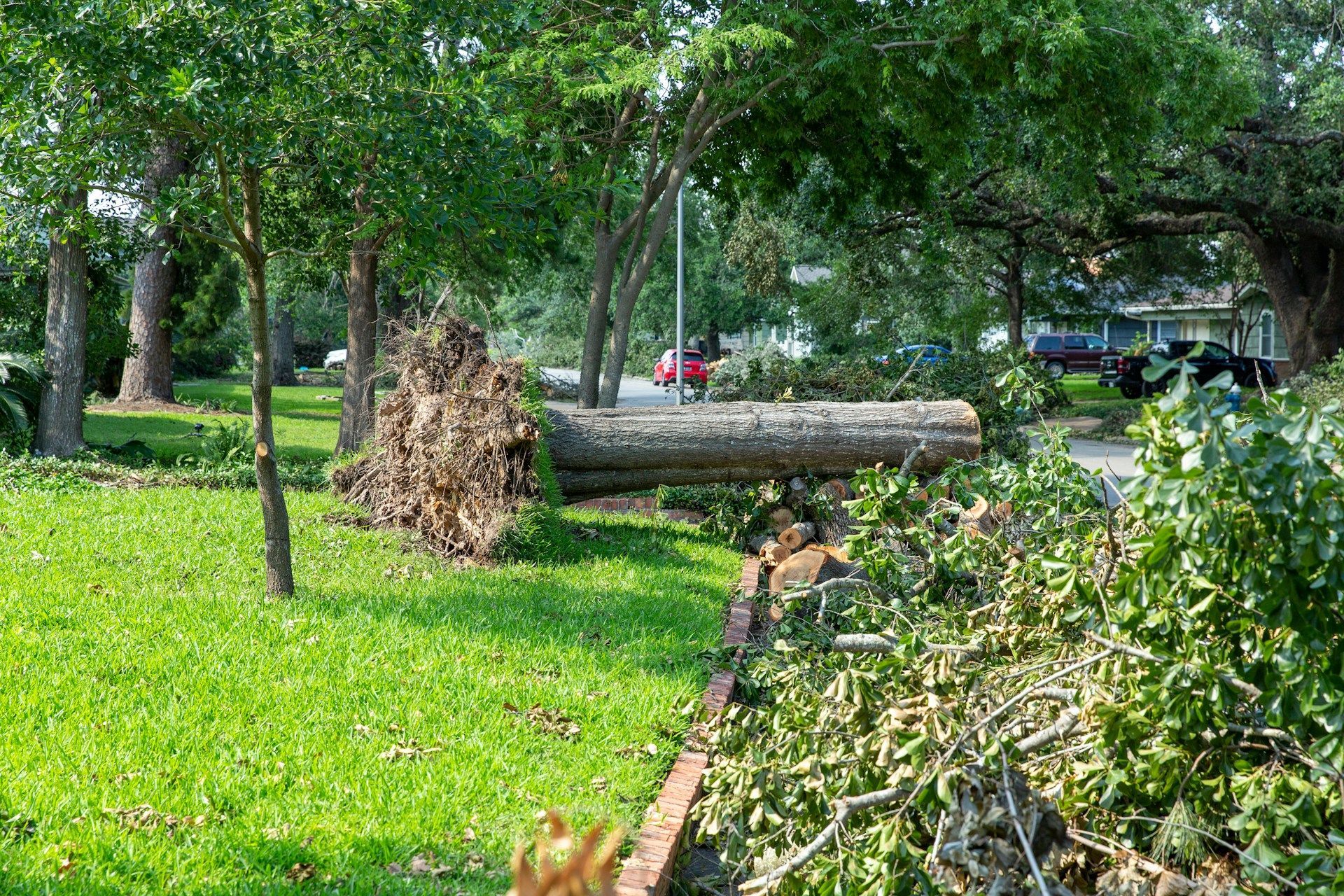
A near-miss tree hazard is a warning shot from your yard. It is when a large limb drops and just misses the roof, a tree leans more after the last storm, you hear cracking sounds in the wind, or you see roots lifting and shifting the soil. The tree did not fail all the way, but it came close. That is the moment to pay attention.
For homeowners in Katy and West Houston, near-miss hazards matter a lot. Our area gets strong thunderstorms, tropical systems, and hurricane rain bands during late summer and early fall. September is often the peak of Gulf hurricane season, so problems that show up now can turn into emergencies in the next big storm.
Careful documentation helps you stay ahead of trouble. Good photos, clear notes, and an arborist report can speed up emergency tree cutting in Katy, help with insurance conversations, and limit HOA or city questions later. When the wind starts picking up again, you want your proof ready so you can act fast if the tree worsens.
Spotting a Near-Miss Tree Hazard in Katy Yards
After a storm, do a slow, safe walk around your yard, staying out from under large limbs. Look for clear visual red flags like:
- Fresh cracks in the trunk or major limbs
- Branches hanging loosely or caught high in the canopy
- Soil heaving, mounds, or new gaps around the base of the tree
- A tree that suddenly leans toward the house, driveway, or play area
Movement and sound also tell you a lot. Pay attention if you notice:
- Creaking, popping, or snapping noises in even light wind
- One tree swaying harder or faster than nearby trees of the same size
- Branches rubbing on the roof, siding, or nearby power lines
Katy’s clay soil can swell when wet and shrink when dry. Strong storms and hurricane-driven gusts push tall trees back and forth on that shifting base. Even a healthy tree can start to lean or crack under that stress. A branch that barely missed your roof today can be the same branch that finishes the job in the next storm if the tree keeps weakening.
When you see more than one warning sign on the same tree, treat it as urgent. That is the point where you should stop guessing and plan to get a professional tree care company involved.
How to Safely Take Photos and Video That Insurers Trust
If the tree still feels stable enough to approach from a distance, start collecting visual proof. Keep safety as your first rule. Never stand under hanging limbs or near power lines, and keep kids and pets inside while you do a quick photo pass.
Use a simple checklist to structure your photos and video:
- Wide shots that show the whole tree and its distance to your home, driveway, or other structures
- Medium shots that focus on specific issues like cracks, splits, hanging branches, or root lifting
- Close-ups with a reference, such as a tape measure, yardstick, or even a common object for scale
Try to show context, not just damage. That makes your photos easier for insurers, HOAs, and city staff to understand. Helpful ideas include:
- Taking a photo while standing in a known direction, like facing toward the street, then noting “view from front yard toward back fence”
- Showing where the tree would likely land if it failed, such as across the driveway or onto a roof section
- Capturing signs of earlier impact, such as dents in gutters, marks on shingles, or damaged fences
Use your phone’s zoom instead of walking closer to unstable areas. If the tree looks like it is moving at the base, if the trunk is badly split, or if anything just feels wrong, stop documenting and back away. At that point, it is safer to let a professional team handle both the hazard and the photos.
Arborist Reports, HOA Rules, and Permit Steps in Katy
Once you have basic photos and notes, the next strong step is a professional arborist report. While every report can look a little different, most include:
- Tree species and location on your property
- Overall condition of the tree, including any decay or insect issues
- Structural defects such as cracks, cavities, or root problems
- A risk rating describing how likely failure is and what it could hit
- A recommendation for pruning, removal, or urgent emergency work
This kind of written opinion can help with HOA expectations. Many neighborhoods around Katy want proof before a homeowner removes a large shade tree. To line up your documentation, you can:
- Check your HOA guidelines for any tree removal rules
- Gather your clearest photos, plus the arborist’s written recommendation
- Point out risks to shared fences, sidewalks, greenbelts, or nearby homes
Cities and counties in the greater Katy and West Houston area may also have permit rules for cutting certain trees, especially when they are large or near the street. In normal situations, permits can take some time. In obvious emergency cases, like a tree already on a roof or blocking safe access, the process can move faster.
Having a dated arborist report, timestamped photos, and clear notes lets you show that the tree was already a known hazard. That record can support requests for faster approvals when the situation changes from “near-miss” to “urgent.”
Writing Insurance-Friendly Notes Before You Call for Help
Along with photos and a report, a simple hazard log can make your life easier. You do not need anything fancy, just a notebook or a note on your phone. Each time you notice something, jot it down.
Helpful things to record include:
- Date and time you saw cracks, leaning, or falling limbs
- Any blocked driveways, damaged fences, or roof impacts
- Each major weather event, like strong storms or high wind days
- Any steps you took, such as taking photos or calling a tree care company
Insurers like clear, calm descriptions. When you write notes, try to include:
- What the hazard is, for example “large split limb” or “tree leaning toward front bedroom”
- How close it is to the home or driveway, such as “about 10 feet from roofline”
- Why it affects safety or access, like blocking the primary entry or hanging over parking
If a professional arborist uses certain phrases, you can repeat that language in your notes without stretching the truth. Terms such as “imminent failure risk,” “threatening primary entry/exit,” or “compromising roof integrity” help show why emergency tree cutting in Katy might be needed. Just keep everything honest and based on what was actually said and seen.
A good paper trail shows that you acted early, watched the problem, and did your best to prevent damage. That can make insurance conversations calmer during a stressful time.
When a Near-Miss Becomes Too Close for Comfort
Near-miss tree hazards around Katy and West Houston are not something to brush off. Our mix of clay soil, heavy rain, and strong wind gives trees a lot to handle year-round. When a storm already pushed one tree close to failure, the next system might be the one that finishes the job.
Thoughtful documentation turns worry into a plan. Clear photos, steady notes, and a professional arborist report work together to show what is happening in your yard and why it matters. With those pieces ready, you can move faster if conditions change from “almost” to “now.”
Protect Your Property With Fast, Professional Tree Service Today
When a storm or sudden limb failure puts your home or business at risk, our crew at Apple Tree Service is ready to respond quickly and safely. Explore our
emergency tree cutting in Katy solutions to remove hazardous trees before they cause further damage. If you need immediate assistance or want to schedule an urgent assessment,
contact us now so we can help secure your property.