When Land Clearing in Katy, TX Requires Excavation Services
Clear Land, Prevent Problems: Why Excavation Matters
Good land work in Katy starts long before concrete trucks and builders show up. If you clear a lot but ignore how the soil drains and holds weight, you can set yourself up for future headaches like flooding, sinking spots, or cracked concrete.
Around late fall and the holiday season, many property owners start planning new builds, outdoor spaces, and drainage upgrades for the coming year. This is the perfect time to ask a key question: do you just need land clearing, or do you also need excavation services in Katy, TX? One handles what is on top of the ground, the other shapes the ground itself.
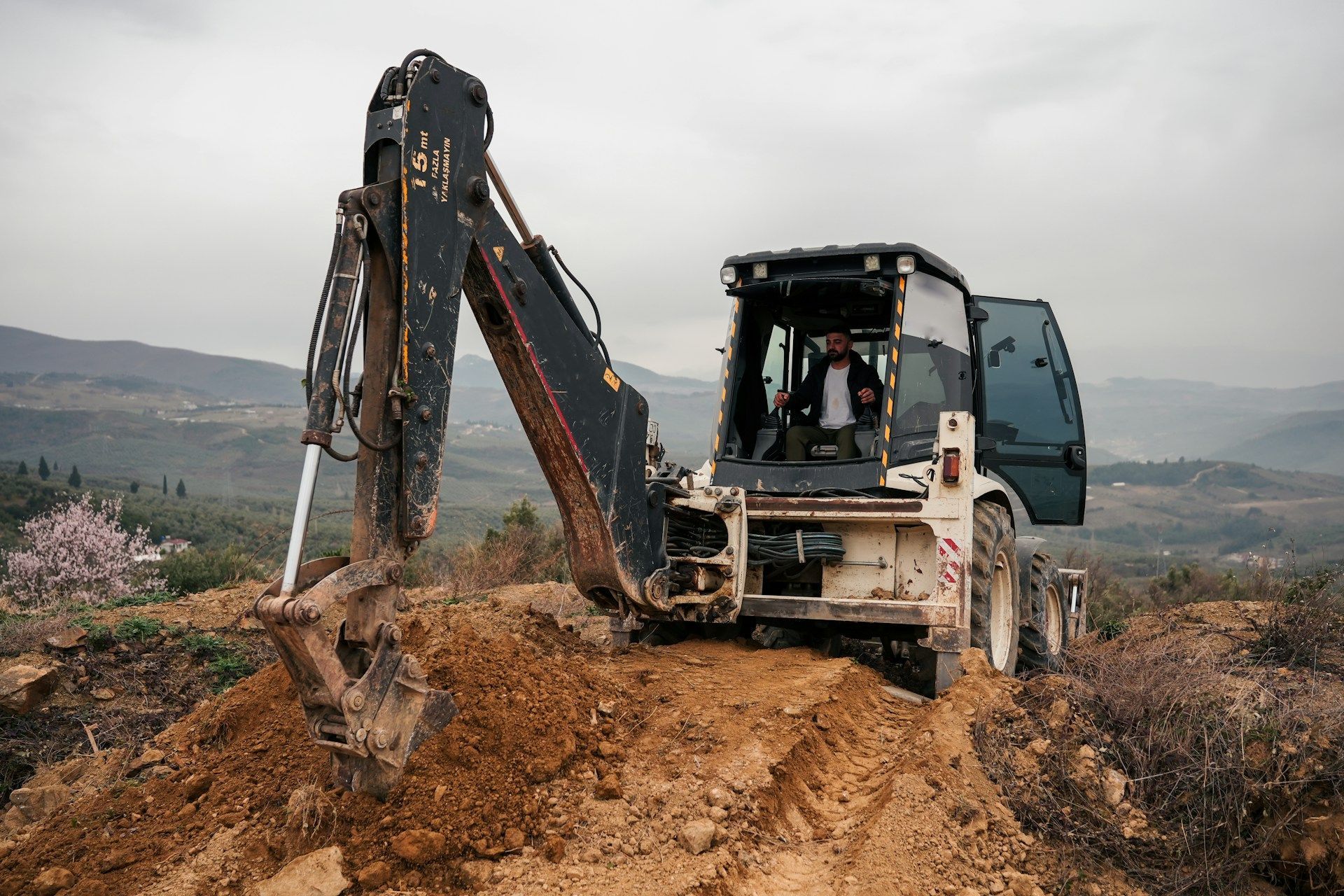
Basic clearing removes brush, small trees, and debris. Excavation means digging, grading, trenching, and reshaping soil so the land drains well and can support weight. Skipping excavation when it is actually needed can lead to flooded yards and driveways, unstable building pads, cracked patios and parking areas, and costly rework and delays.
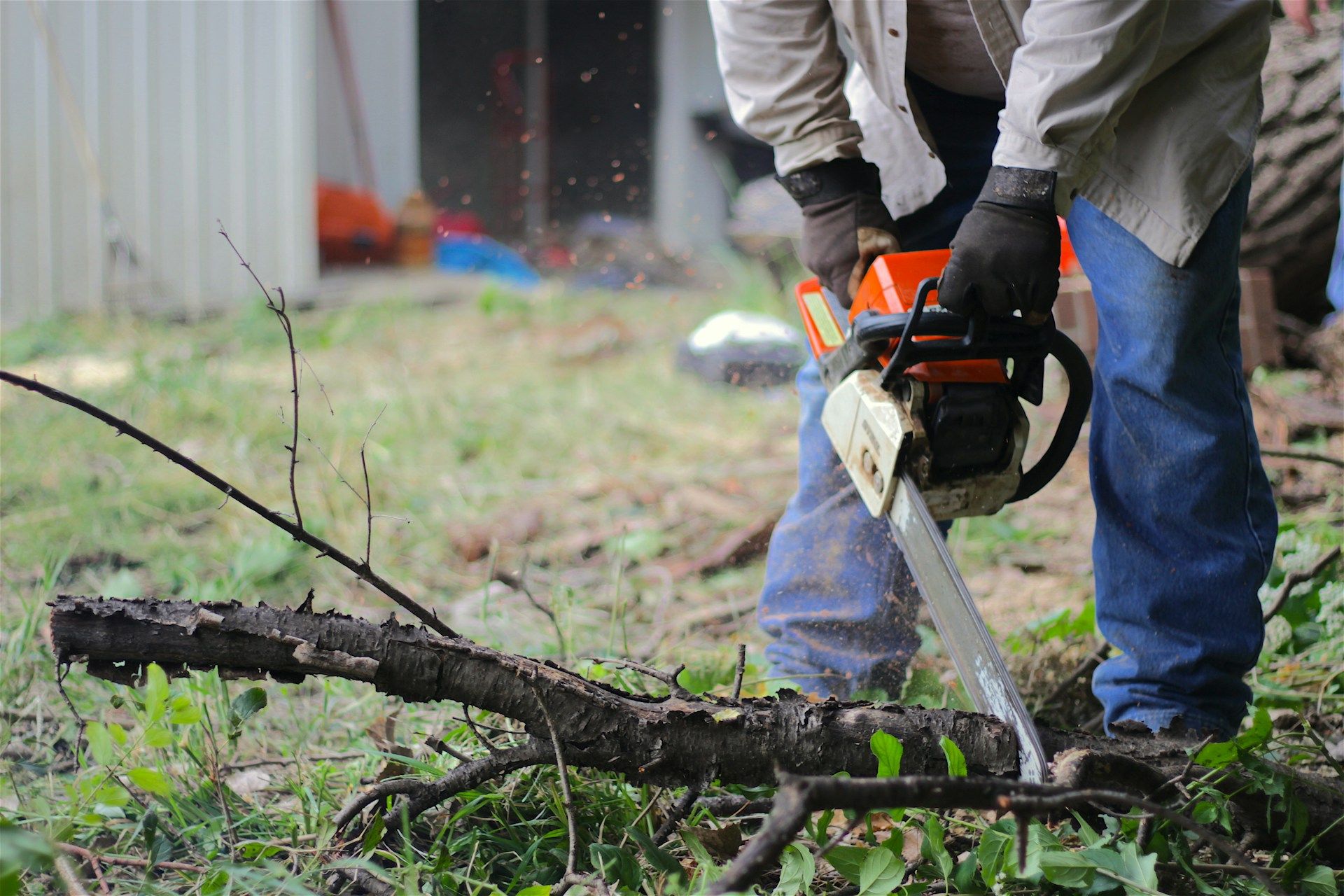
We want to walk through the clear signs that your project needs more than chainsaws and mowers, so you can plan your land work the smart way.
Beyond Brush Cutting: When Simple Clearing Is Not Enough
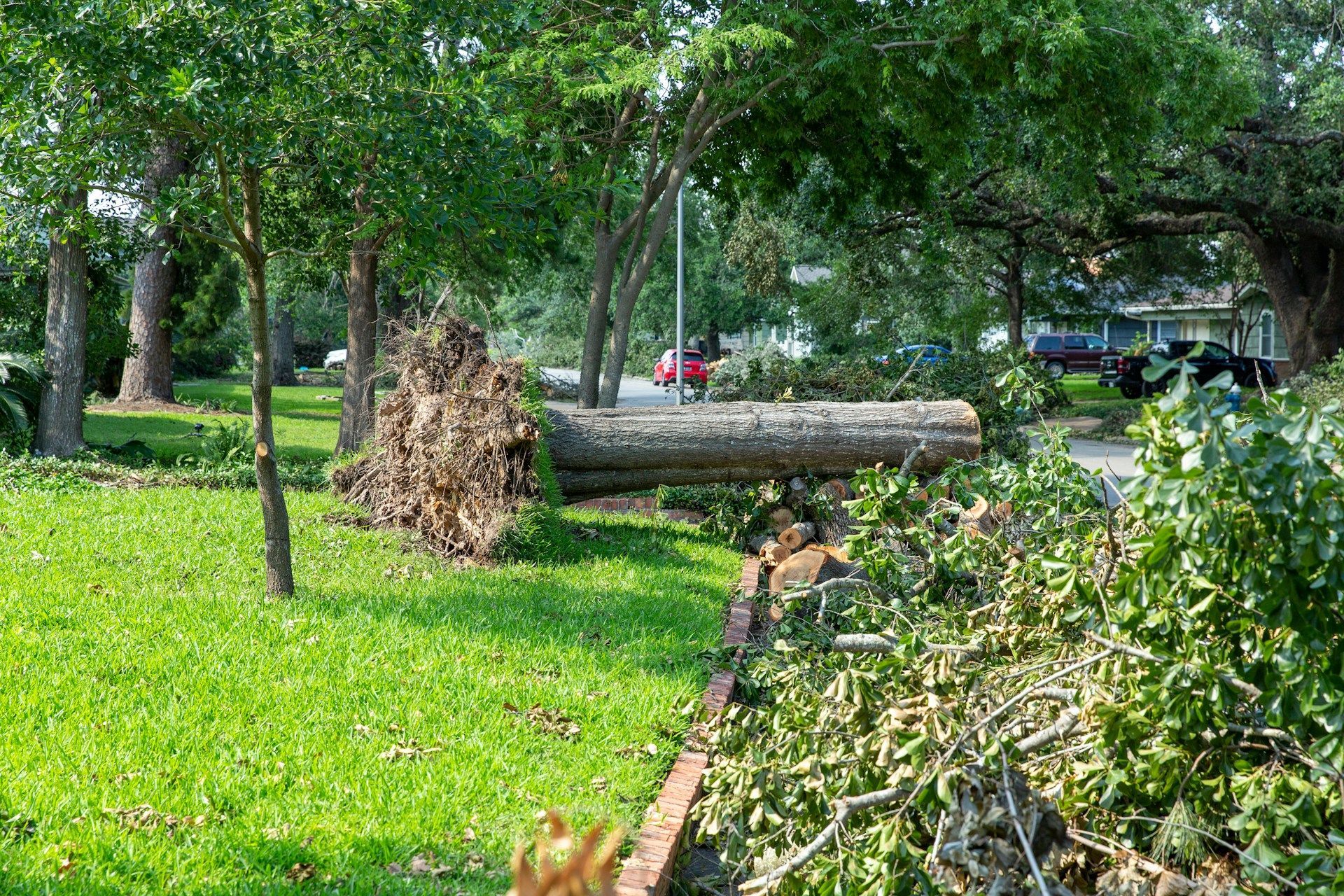
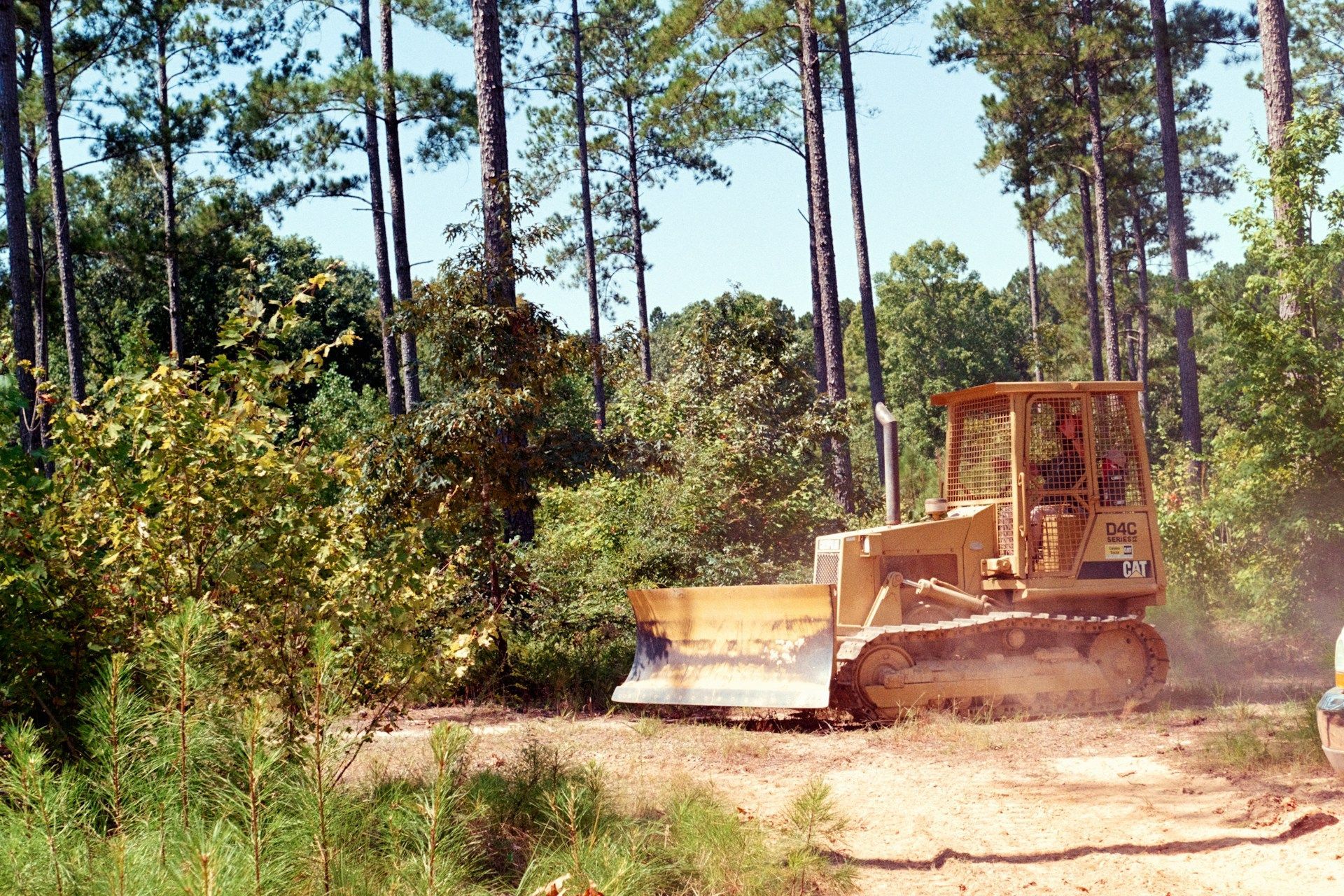
Basic land clearing usually focuses on what you can see on the surface. It often includes cutting and removing brush and tall grass, taking out small trees and saplings, cleaning up fallen limbs and surface debris, and removing or grinding small, shallow stumps.
For smaller projects, clearing alone can be enough. Good examples are opening up a fence line, cleaning a corner of the yard for a garden, or doing light lot cleanup to make an area usable again. Those jobs mostly deal with visibility and access, you just want the land open and easier to walk or mow.
Things change when the project needs the soil itself to carry weight or move water. If you are planning a shed or metal building pad, a longer driveway or parking area, or a large patio or outdoor living space, then the way the soil is graded and compacted starts to matter a lot. The greater Houston area has heavy clay soils that hold water and can turn slick and bumpy when they are not shaped and packed correctly. If you only clear the surface and build on top, you may see ruts and low spots where cars drive, standing water that just sits for days, and concrete and pavers that crack or shift.
Any time your project needs to support vehicles, structures, or retaining walls, it is time to think beyond clearing and into excavation and grading.
Katy Land Conditions That Signal a Need for Excavation
Many properties in Katy and West Houston are flat and sit fairly low. That sounds nice, but it can cause water to linger if the land is not graded with a gentle slope. Before you start a project, look for these signs:
- Pools of water that stay in the same spots after a rain
- Bare paths where water has carved little channels
- Areas that stay muddy long after the rest of the yard has dried
These are strong hints that the subgrade and slope are not right. Surface clearing alone will not fix those problems. The soil often needs to be cut, filled, and reshaped so water has somewhere to go.
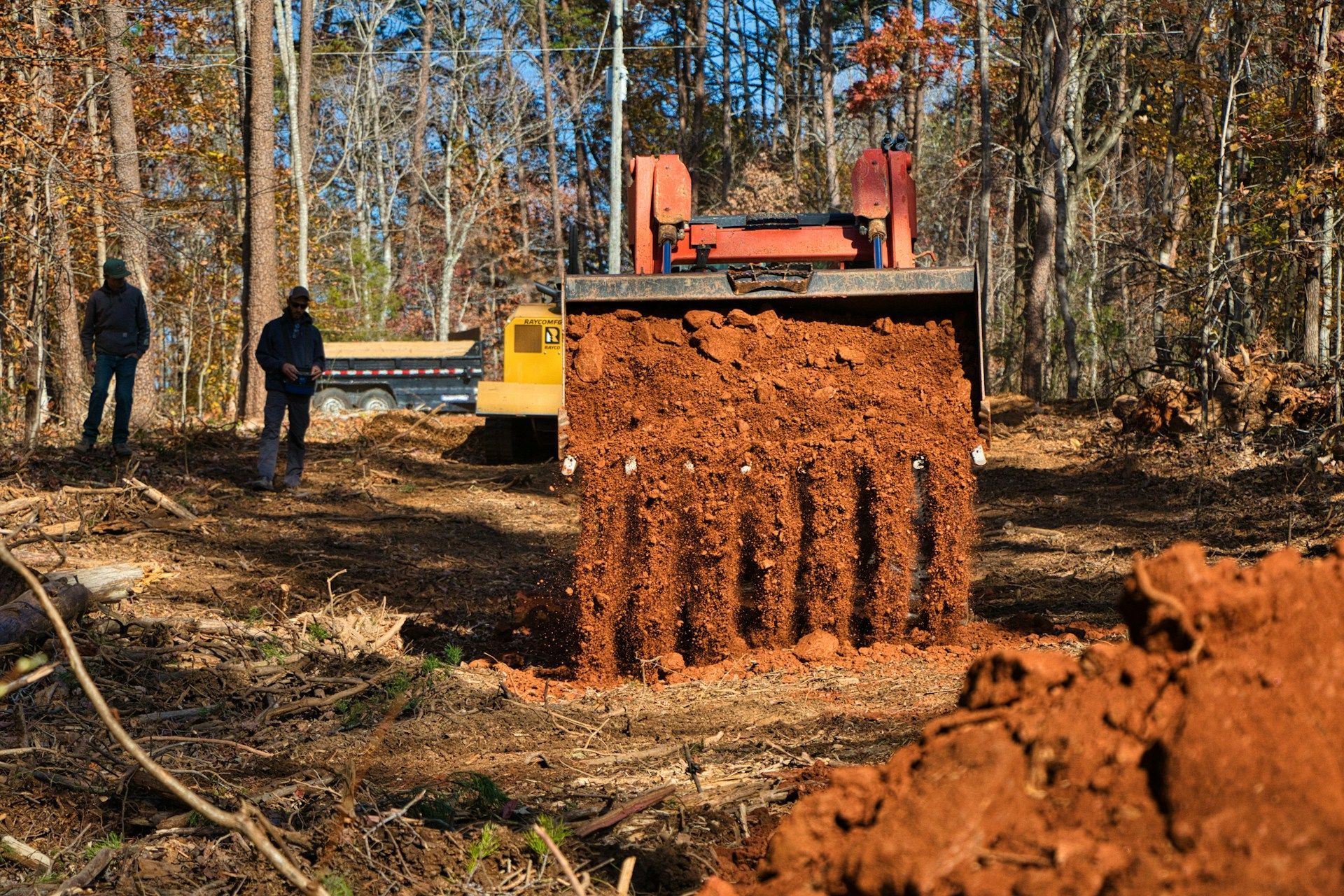
Other hidden issues can sit just below the surface, like thick, tangled root systems from old trees, large or buried stumps, or buried construction debris or old fill material. Clearing equipment may skim over or tug at these, but it usually takes excavation tools to fully remove them and leave solid, stable ground.
On sloped or uneven lots, things get even more complex. You may need:
- Cut and fill work to level a building pad
- Small terraces for safer access
- Retaining solutions to keep soil from sliding
Professional excavation services in Katy, TX can check soil depth, compaction, and drainage, then shape the land so it is ready for concrete, turf, or new structures without surprise movement later.
Project Types That Demand Expert Excavation, Not Just Clearing
Some projects almost always call for excavation, even if the land looks “fine” at first glance. On the residential side, these often include:
- Home additions and room expansions
- Workshops, barns, or metal buildings
- New driveways or widening older ones
- Large patios and outdoor kitchens
- Pool installations
- Septic or utility line work
For commercial properties and larger tracts, excavation is common for:
- Parking lots and equipment yards
- Building pads for warehouses or offices
- Land development for new sites
- Larger drainage, and detention improvements
Anytime underground utilities are part of the job, you need careful digging instead of basic scraping. Water lines, gas, power, sewer, and irrigation must be located, marked, and worked around. Scraping over them during clearing can be unsafe and can damage the lines.
Grading around homes and buildings is just as important. You want water moving away from foundations and slabs, not toward them. This is especially helpful before the wetter seasons, when frequent rains can test any weak spots in your drainage. When land clearing and excavation are planned together, you get:
- A smoother schedule
- Less backtracking or rework
- A site that is closer to build-ready once clearing is done
Safety, Permits, and Environmental Factors You Cannot Ignore
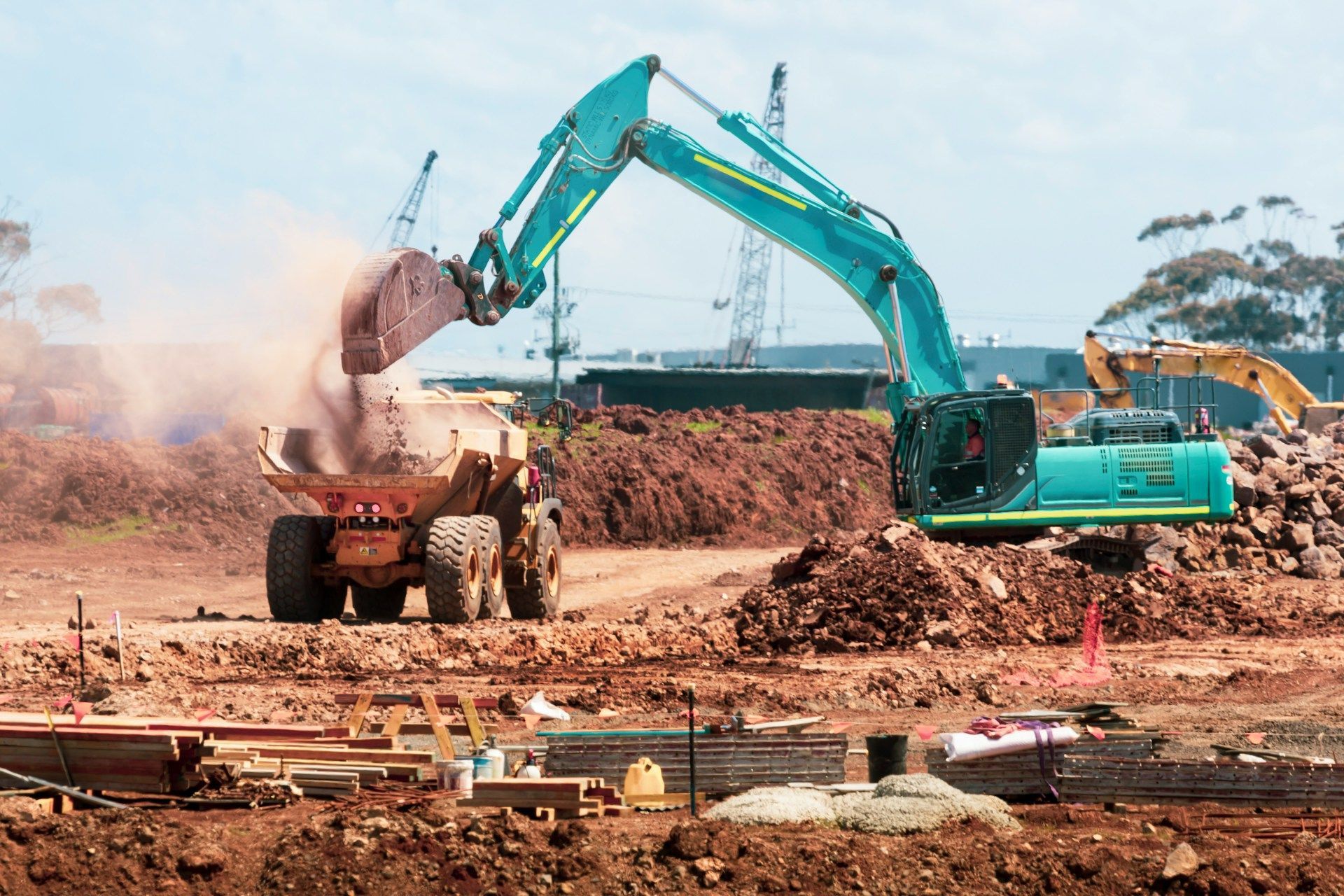
Once excavation is part of the project, safety concerns grow quickly. You now have heavy machinery moving on and off the property, open holes and trenches that can collapse, soil piles that may shift, and the risk of hitting buried utilities.
There are also local rules to think about for bigger projects, such as:
- Stormwater management and where runoff goes
- Erosion and sediment control
- Possible inspections at different stages
On the environmental side, careful planning helps protect what you want to keep. That can mean preserving healthy mature trees, protecting root zones from heavy traffic, limiting erosion on slopes, and planning where spoil piles and materials are stored.
Professional crews also think about your neighbors. Planning safe access routes for equipment and tracking where trucks will drive helps reduce damage to lawns, driveways, and nearby properties. A qualified team will handle 811 utility locates, follow safe work practices, and plan each phase so the job is controlled instead of chaotic.
How We Align Land Clearing with Smart Excavation
When we first walk a property, we look at much more than just which trees or brush to remove. Our typical approach includes:
- Checking tree health and which ones should stay or go
- Looking at stumps, roots, and problem vegetation
- Studying access points for equipment and trucks
- Noting any obvious drainage or erosion trouble spots
Because we work with tree care, stump grinding, land clearing, and grading, we can help connect the dots from raw lot to a site that is closer to ready for your next phase. Instead of treating each task as a separate job, we look at how they fit together so the land you clear today will support what you build tomorrow.
Being local to the Katy and Houston area helps us read the land faster. We are familiar with the heavy soils, the way rain patterns affect low-lying spots, and how different municipalities expect sites to be prepared. For smaller residential pads or larger commercial clearings, we can coordinate excavation services in Katy, TX that match the size and needs of the project.
A smart time for a site visit is late fall, while many people are planning around the holidays and before the spring building rush. That gives time to think through tree removal, clearing, grading, and any needed excavation so your land is ready when your builder or installer is.
Get Started With Your Project Today
If you are planning a new build, drainage upgrade, or major landscape change, our team at Apple Tree Service is ready to handle the heavy lifting with professional
excavation services in Katy, TX. We take the time to understand your site conditions and goals so the work is done safely, efficiently, and to your specifications. Reach out today to discuss your timeline, get answers to your questions, or request a quote through our
contact page.