Common Site Preparation Mistakes on Katy Lots With Mature Trees
Protect Your Katy Trees Before Construction Starts
Strong growth in Katy and the greater Houston area means more new homes, shops, and backyard projects going up on lots that already have beautiful, mature trees. If you are planning a pool, shop, driveway, or new house, those big trees are part of what made you love the property in the first place. They are natural shade in our Texas sun, they frame the view, and they help your property feel settled instead of bare and harsh.
Mature trees are more than decoration. They help cool your home, cut down glare, and give your yard a calm, private feel. They also add curb appeal and can make a new build look finished from day one. When those trees get damaged during site work, you do not always see it right away. Problems can show up years later, when a once strong tree starts to fail in a storm or needs to be removed.
We see the same site preparation mistakes again and again on Katy lots with mature trees. The plans look great on paper, but grading, land clearing, utilities, and heavy equipment slowly destroy the trees that were supposed to stay. In this article we will walk through common mistakes and share practical, local tips so your site preparation in Katy, TX keeps your shade instead of killing it.
Overclearing the Lot and Removing Too Many Trees
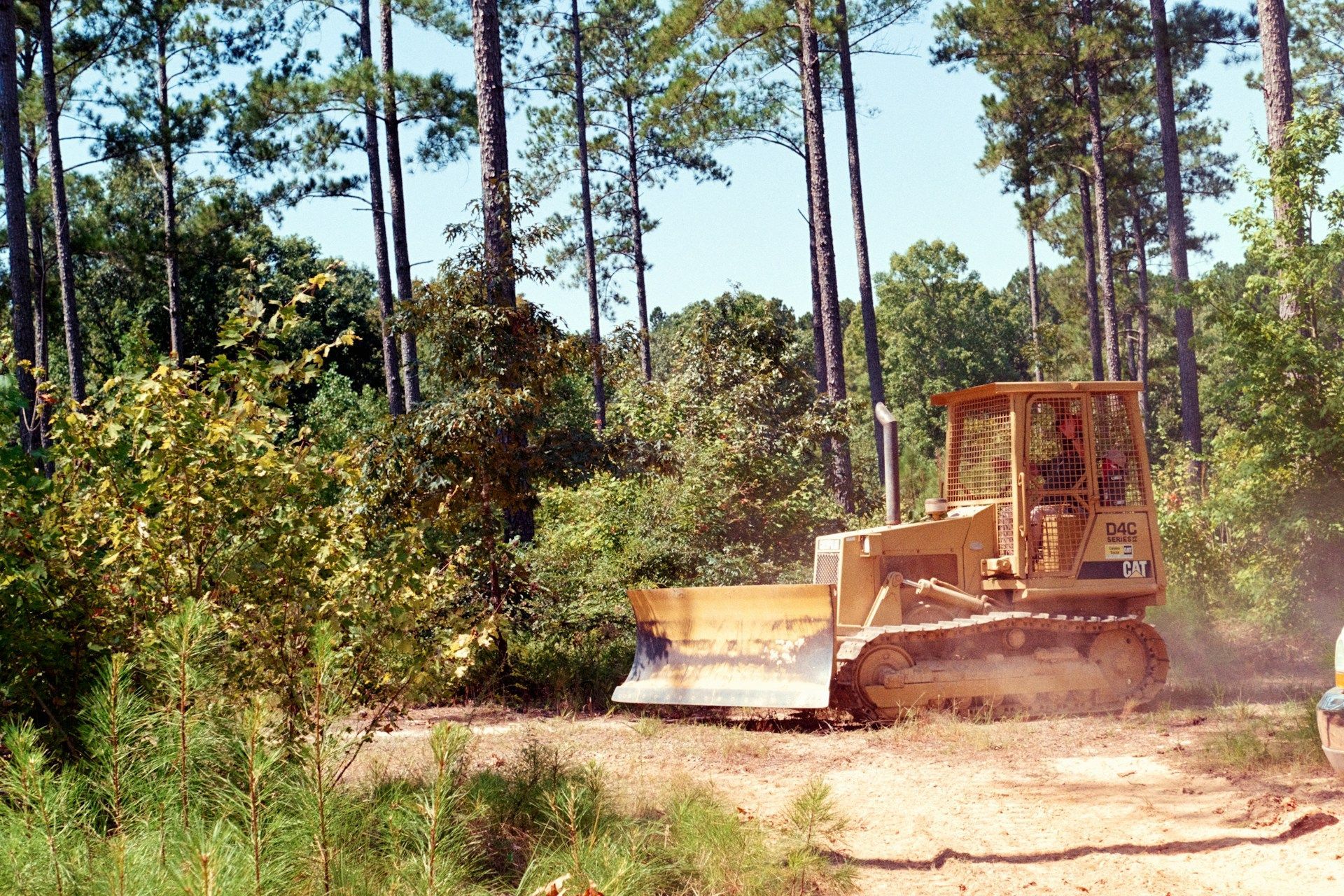
A common mistake is to think a lot has to be scraped clean before building starts. Many owners and builders ask for a perfectly open site, every shrub gone and almost every tree cut. It looks neat for a short time, but the long-term result can be a hot, exposed yard with no privacy and no windbreak when Gulf Coast storms roll through.
When you overclear, you lose things you cannot easily put back, like:
- Natural shade around the house and driveway
- Privacy from nearby streets and neighbors
- Wind protection during heavy rain and strong gusts
- Habitat for birds and other helpful wildlife
Another problem is only keeping the few trees that look pretty at first glance. Those may be the ones with hidden issues, like poor structure or decay. If they are all the same type of tree, one pest or disease can hit them all at once. That can leave you with big gaps and no backup trees to grow into the space.
Before any clearing starts, it helps to walk the site with a tree professional. A trained eye can:
- Spot weak or unsafe trees that really should be removed
- Point out strong, long-lived trees worth protecting
- Suggest a better mix of species and sizes to keep on the lot
That early walk often changes which trees stay and which trees go, and it can set you up for a yard that looks good and stays safer for years.
Damaging Roots During Grading and Driveway Layout
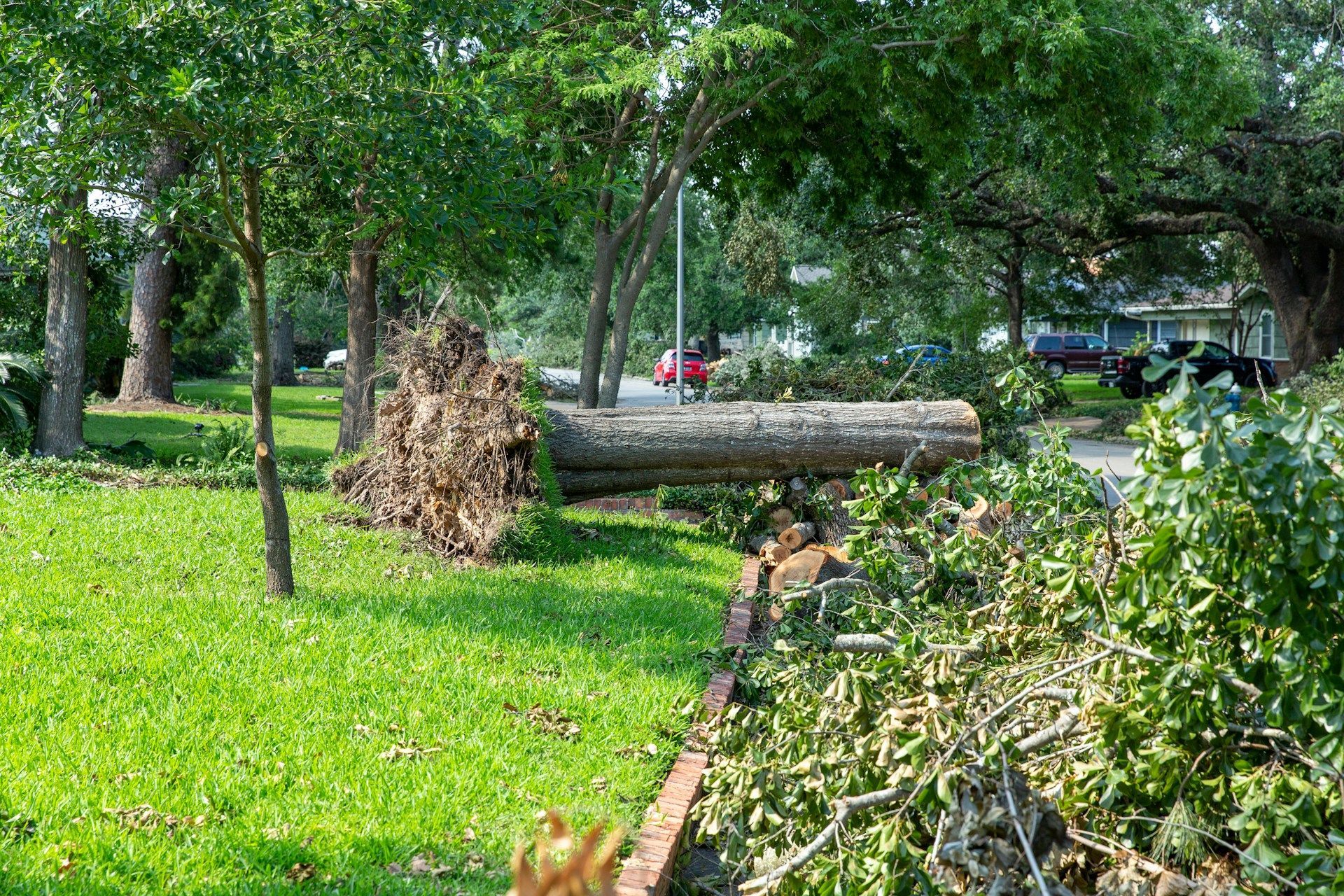
The number one way to quietly kill a tree during site work is to damage the roots. Most people think roots sit straight under the canopy, like a mirror of the branches. In reality, important roots can reach one to two times the width of the canopy and run shallow in the soil. If you cut or crush those roots on one side, the tree may not fall right away, but it can start to lean, break, or slowly decline.
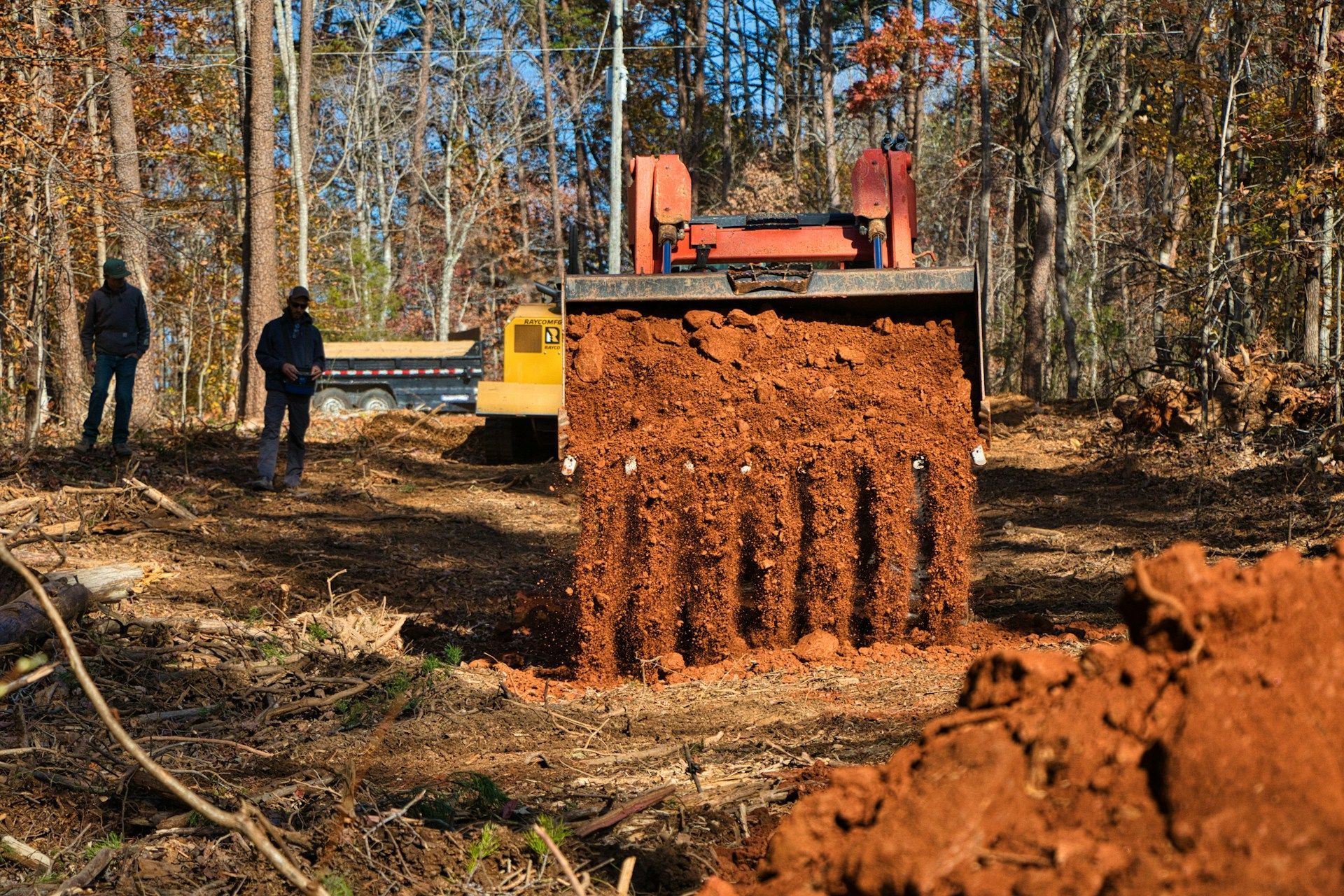
Grading is a big part of this problem. On many Katy lots, we see soil piled up or scraped away right to the base of a tree. Too much change in soil depth can:
- Suffocate roots by cutting off oxygen
- Trap wet soil against the trunk and cause decay
- Expose roots to heat and drought stress
Even a few inches of new soil over the root area can cause trouble for certain trees. Deep cuts around one side of the root zone can be just as bad.
Driveways, patios, and foundations also matter. A driveway laid straight to the front door may run right through the strongest root zone of your best shade tree. Often, shifting that driveway or slab a few feet on the plan can avoid cutting major roots altogether. When you plan site preparation in Katy, TX, small layout changes like that can save a mature tree that would cost a lot more to replace later.
Crowding Trees with Utilities, Patios, and Pools
Once the basic layout is set, smaller choices can still cause big tree problems. Utility lines, pools, and patios are often placed with short-term convenience in mind. It seems easiest to run water or sewer lines close to trunks, or to tuck a pool and deck right into that shady area without thinking ahead.
Running trenches too close to a tree can slice through roots and leave the tree struggling. Later on, those same roots may try to grow into water or sewer lines and create blockages and repair bills. It is better to keep:
- Water and sewer lines out of the main root zones
- Irrigation trenches away from the base of mature trees
- Utility boxes and meter pads set outside canopy edges
Hardscape is another concern. Patios, pool decks, and outdoor kitchens built tight around trunks look nice at first, but they make it hard for roots to breathe and grow. The constant weight of people and furniture can compact the soil. Trapped moisture can invite decay at the base of the tree.
You also want to think ahead about how big the tree will be in 10 to 20 years. Will branches hang low over the pool? Will roots lift concrete, crack edging, or push on fences? Planning for that growth now can save a lot of pruning, cleanup, and repair later.
Skipping Tree Protection During Construction Work
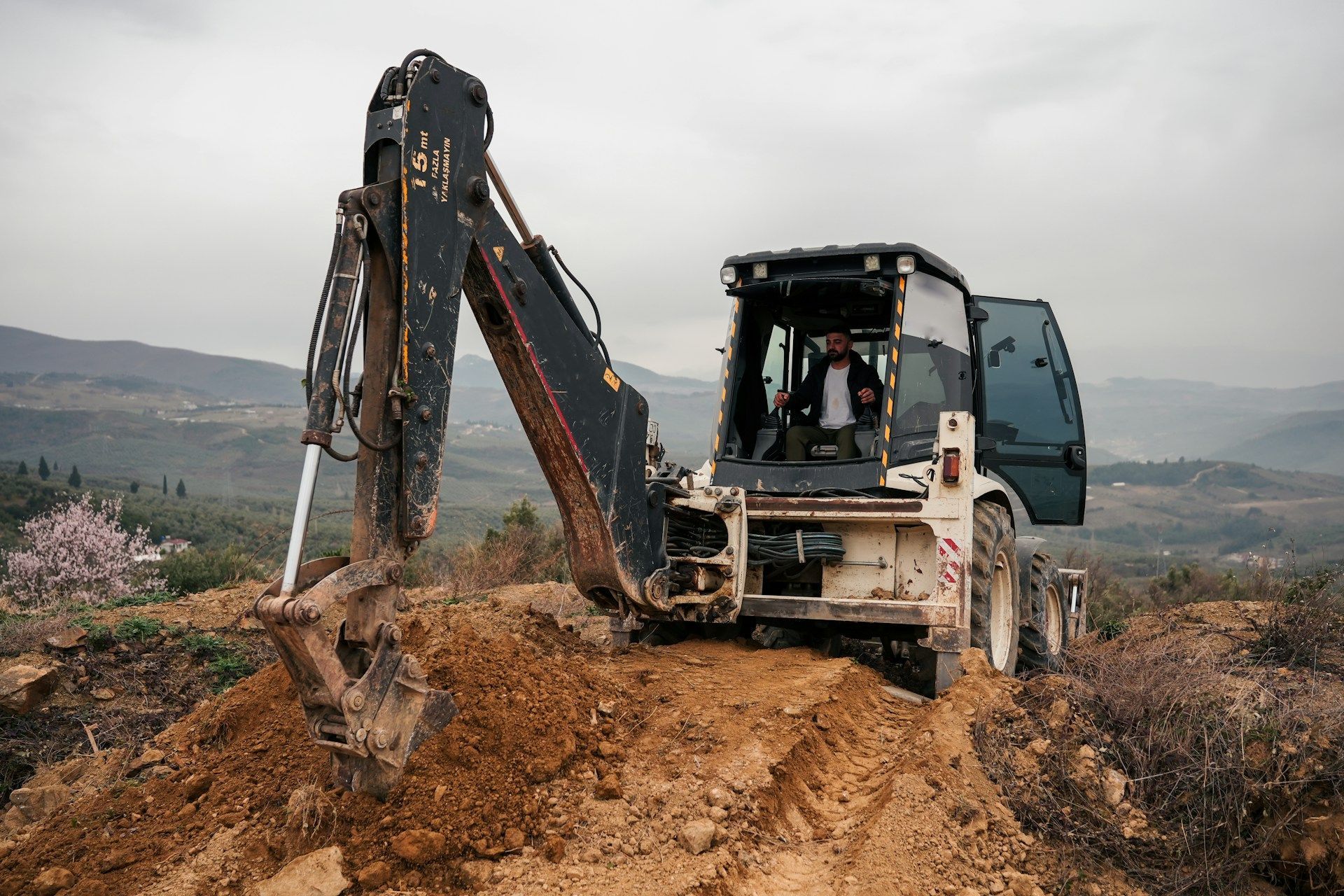
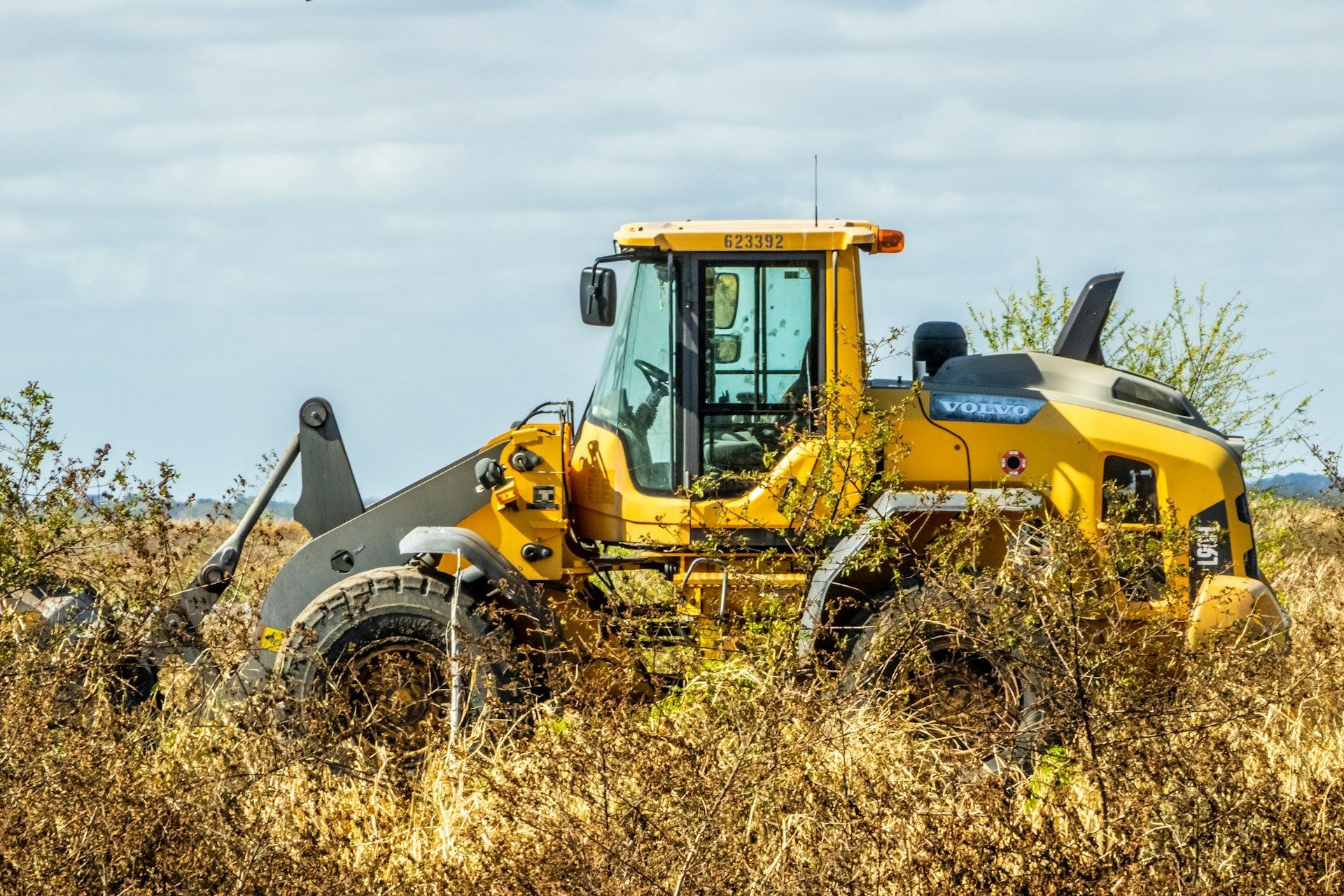
Even if you plan carefully, the build itself can undo all that good work if your trees are not protected during construction. Heavy equipment, foot traffic, and material piles often end up under the biggest shade trees, simply because that area is open and handy.
Without physical barriers, we see:
- Trucks and machines parked over root zones
- Piles of sand, lumber, and debris smothering the soil
- Repeated foot traffic that packs the ground hard
Simple, sturdy fencing set around key trees can keep equipment back and remind workers to avoid those areas. The fence line should be out near the edge of the canopy when possible, not just wrapped tight to the trunk.
Trunk and limb injuries also matter. A quick bump from a loader or a deep scrape in the bark can open the tree to insects and decay. Broken limbs that are not pruned cleanly can rot back into the main structure. These weak spots may not show up until the next big storm, when branches snap or the trunk fails where it was damaged.
During construction, trees are also stressed by root disturbance and changes in drainage. In our late-summer and fall dry spells, that stress gets worse if trees are not watered. A basic care plan for saved trees can include:
- Deep watering on a steady schedule
- A wide, proper mulch ring to protect roots and hold moisture
- Regular checks for broken limbs or damaged bark
With some attention during the build, mature trees have a much better chance to recover once the project is complete.
Plan Smart Site Preparation and Keep Your Shade
A tree-first mindset can shape the whole project. Before plans are final, walk the lot, mark the keeper trees, and think of them as fixed features, just like a drainage easement or property line. Then work your driveways, pads, utilities, and outdoor spaces around those trees where you can.
For many property owners and builders, partnering with a local tree expert makes this process a lot easier. A tree service that works regularly with site preparation in Katy, TX can help mark critical root zones, suggest grading limits, and set up protection that fits your specific lot and soil conditions.
Fall is a great time to get ahead of upcoming projects. Many people are planning builds so they are ready to move forward after the holidays, and this season gives you breathing room to think through the tree side of the work. With smart planning and the right support, you can clear and grade your lot, build what you want, and still enjoy healthy, storm-resistant shade trees for years to come.
Get Expert Site Preparation That Protects Your Investment
If you are planning new construction or improvements on your property, the right groundwork is essential for long-term stability and safety. At Apple Tree Service, we provide precise, efficient
site preparation in Katy, TX tailored to your project’s needs. Tell us about your timeline and goals, and we will recommend the best approach to clear, grade, and prepare your land. To schedule a consultation or request an estimate, simply
contact us today.