Wind-Resistant Yard Design in Katy, TX: Tree Species and Planting Choices
Design a Yard That Stands up to Gulf Coast Winds
Strong trees are one of the best shields your home can have during storm season in Katy and the greater Houston area. When late summer and fall storms roll through, weak trees, shallow roots, and poor planting choices can quickly turn into roof damage, blocked driveways, and scary cleanup jobs.
The good news is that a safer, better-looking yard is not about luck. With smart species choices, smart planting, and regular tree trimming in Katy, TX, you can build a yard that handles strong winds and still gives you shade and curb appeal. In this guide, we will walk through how to plan, plant, and care for trees so your property is ready before the next big storm blows in off the Gulf.
Know Your Katy Climate Before You Plant
Our local weather asks a lot from trees. Heat, humidity, and clay-heavy soil are only the start. Add in periods of drought followed by soaking rains and tropical storm winds, and your trees have to be tough and well-placed to stay upright.
A few Katy and Houston realities that affect tree stability include:
- Long stretches of high heat and full sun
- Heavy, compacted clay soil that drains slowly
- Periods of drought followed by intense rain
- Gusty winds from tropical storms and hurricanes
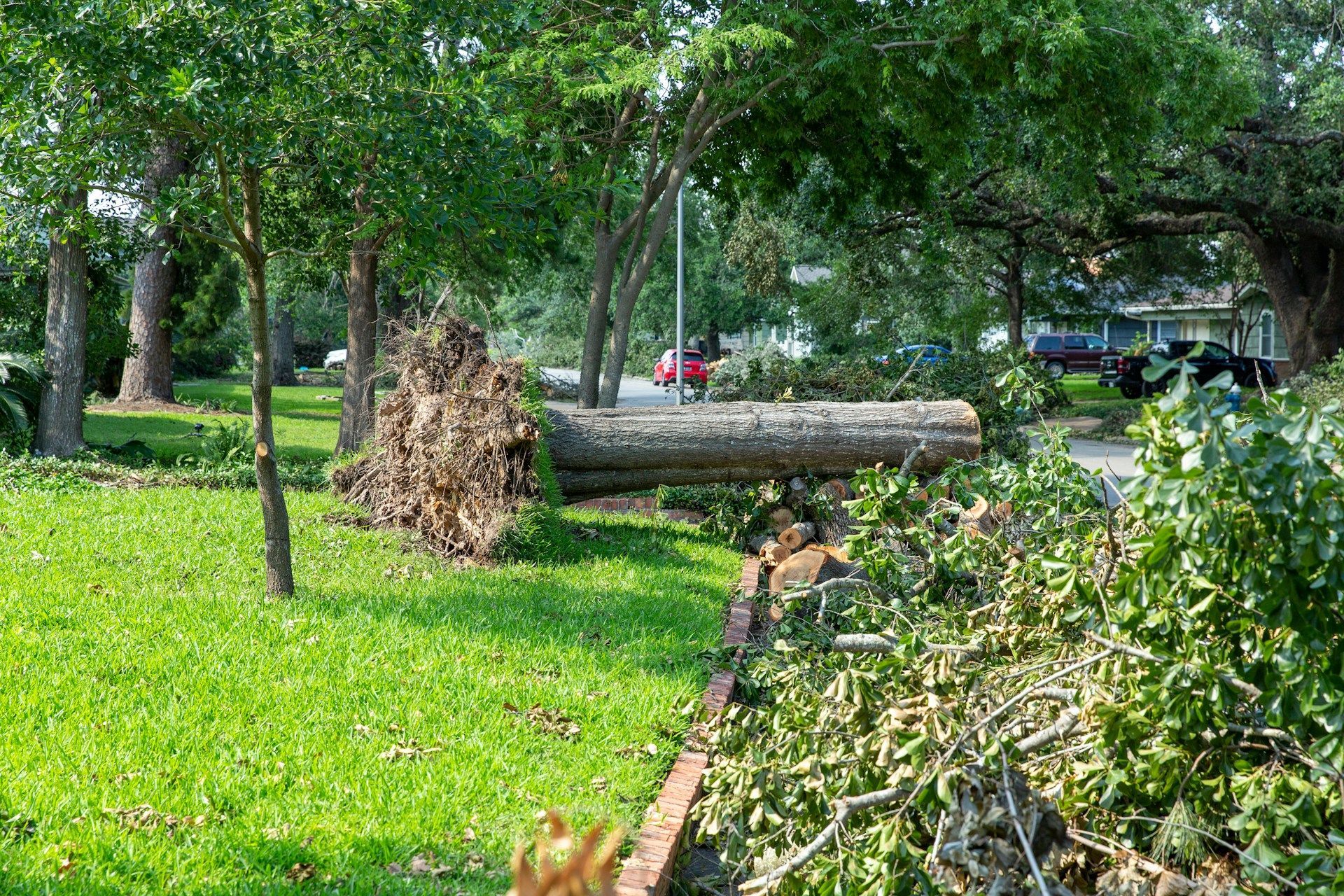
Wind matters because it often shows up right after heavy rain. When the soil is saturated, roots can lose their grip. Shallow-rooted or poorly planted trees can start to lean, uproot, or break apart, which raises the risk of:
- Limbs on the roof or car
- Trees blocking streets and driveways
- Branches in power lines.
Before planting anything new, it helps to take a simple look at your property:
- Where does water sit after a storm?
- Which side of your home takes the brunt of south and southeast winds?
- How close are current trees to your roof, fence, and driveway?
If you already have large, leaning, or damaged trees, a professional tree evaluation is the safest way to spot problems before wind does it for you.
Best Tree Species for Wind-Resistant Katy Yards
Some trees simply handle Gulf Coast conditions better than others. Deep roots, strong wood, and good branch structure make a big difference when the wind picks up.
Trees that often perform well in the Katy and Houston area include:
- Live oak, with strong branches and wide, sturdy roots
- Bur oak, known for its strength and large, stable trunk
- Cedar elm, tough in heat and adaptable to clay soil
- Mexican white oak, also called Monterrey oak, which grows strong and dense
- Mexican plum, smaller in size but with good structure for tight spaces
- Certain crape myrtles, especially smaller, single-trunk types with good form
On the other hand, some trees need more caution near buildings and wires. Very fast-growing species can have weaker wood or shallow roots, which are more likely to snap in storms. Trees with brittle limbs or messy branching can drop large pieces during strong gusts.
A healthy yard does not depend on one type of tree. Mixing species and ages helps your property bounce back if a storm, pest, or disease hits one kind of tree harder than others. We often recommend a blend of native and well-adapted trees that match your soil, space, and goals for shade and privacy.
Smarter Planting Layout for Storm-Ready Landscapes
Picking the right tree is only half of the job. Where and how you plant it has a huge impact on how it handles future storms.
In our area, strong storm winds often come from the south and southeast. You can use that to your advantage by:
- Placing sturdy, deep-rooted trees on the windward side of your lot
- Letting those trees act like a natural wind filter before gusts reach your house
- Using smaller or more flexible trees closer to patios, play areas, and fences
Spacing matters too. Trees need room for roots to spread and canopies to move without slamming into each other or into your roof. As a simple rule, give trees enough distance so:
- Mature branches will not reach your roof or power lines
- Neighboring canopies will not rub heavily in the wind
- Roots are not forced to circle in tight holes or push into foundations
Katy’s clay soil can be tough on new trees, so soil preparation helps them anchor deeply. This usually means loosening the soil around the planting area, not just the hole, so roots can reach out instead of spinning in circles. Set the tree so the root flare is at or slightly above ground level, and avoid tall “volcano” mounds of mulch around the trunk. Stakes, if used at all, should be temporary so the tree builds its own strength.
How Tree Trimming in Katy, TX Boosts Wind Resistance
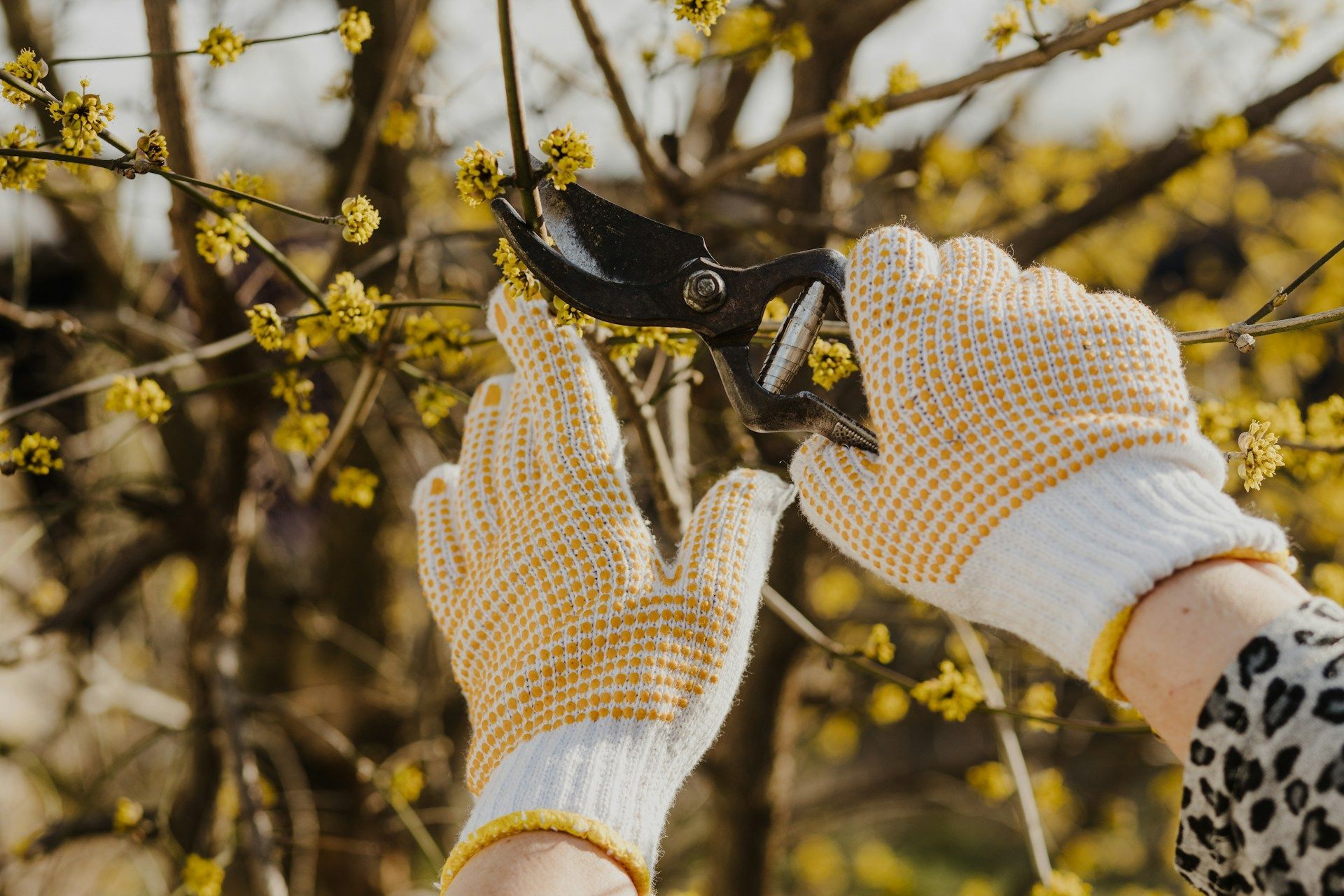
Even a great tree in the perfect spot can fail if it grows with weak structure. That is where skilled pruning and tree trimming in Katy, TX make a big difference.
Structural pruning focuses on:
- Building a strong central leader on many species
- Choosing well-spaced main branches with good angles
- Removing crossing or rubbing limbs early
- Keeping the canopy balanced so weight is not all on one side
Another big piece is managing how the canopy meets the wind. We often thin select branches so air can pass through more easily. This reduces the “sail” effect that can wrench limbs off in a storm. This is very different from topping, which is when large parts of the crown are chopped back to stubs. Topping weakens trees, creates decay, and actually makes storm damage more likely later.
Timing also matters. Many structural cuts are best done in late winter or early spring, when trees are less stressed. As late summer and fall storm season ramps up, the focus usually shifts to:
- Removing dead or dying limbs
- Taking out broken or hanging branches
- Clearing branches that are already close to roofs or wires
Local tree pros can also do storm-readiness inspections to spot cracks, decay, or bad branch unions that are hard to see from the ground.
Storm Cleanup, Land Clearing, and Long-Term Planning
When a major wind event hits, safety has to come first. Some things are better left alone until trained help is on site. After a storm, homeowners should:
- Stay far away from downed or sagging power lines
- Avoid cutting large, twisted, or tensioned limbs
- Keep kids and pets away from damaged trees and hanging branches
Heavy, high, or tangled limbs can move suddenly when cut, and that is one of the easiest ways for people to get hurt during cleanup.
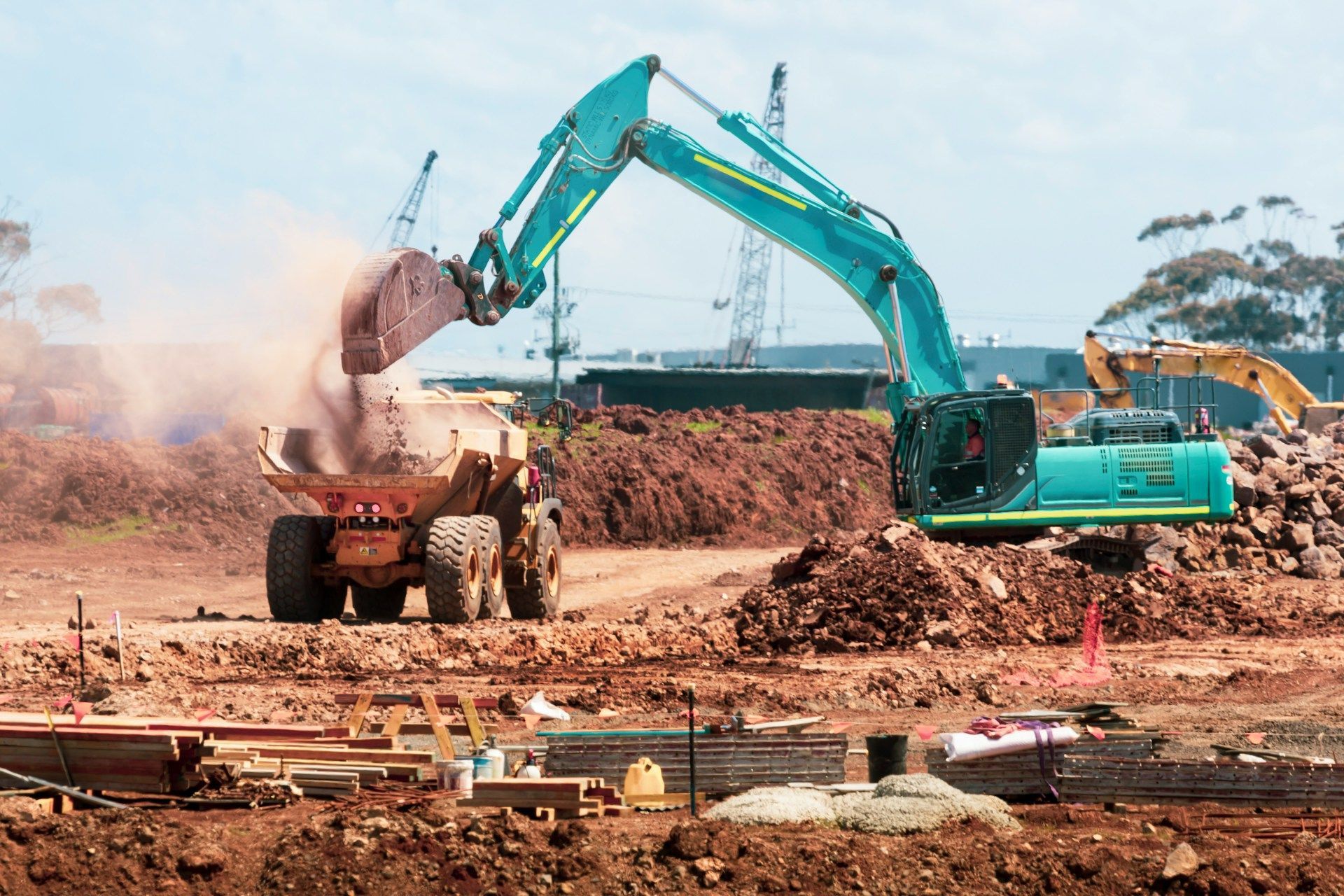
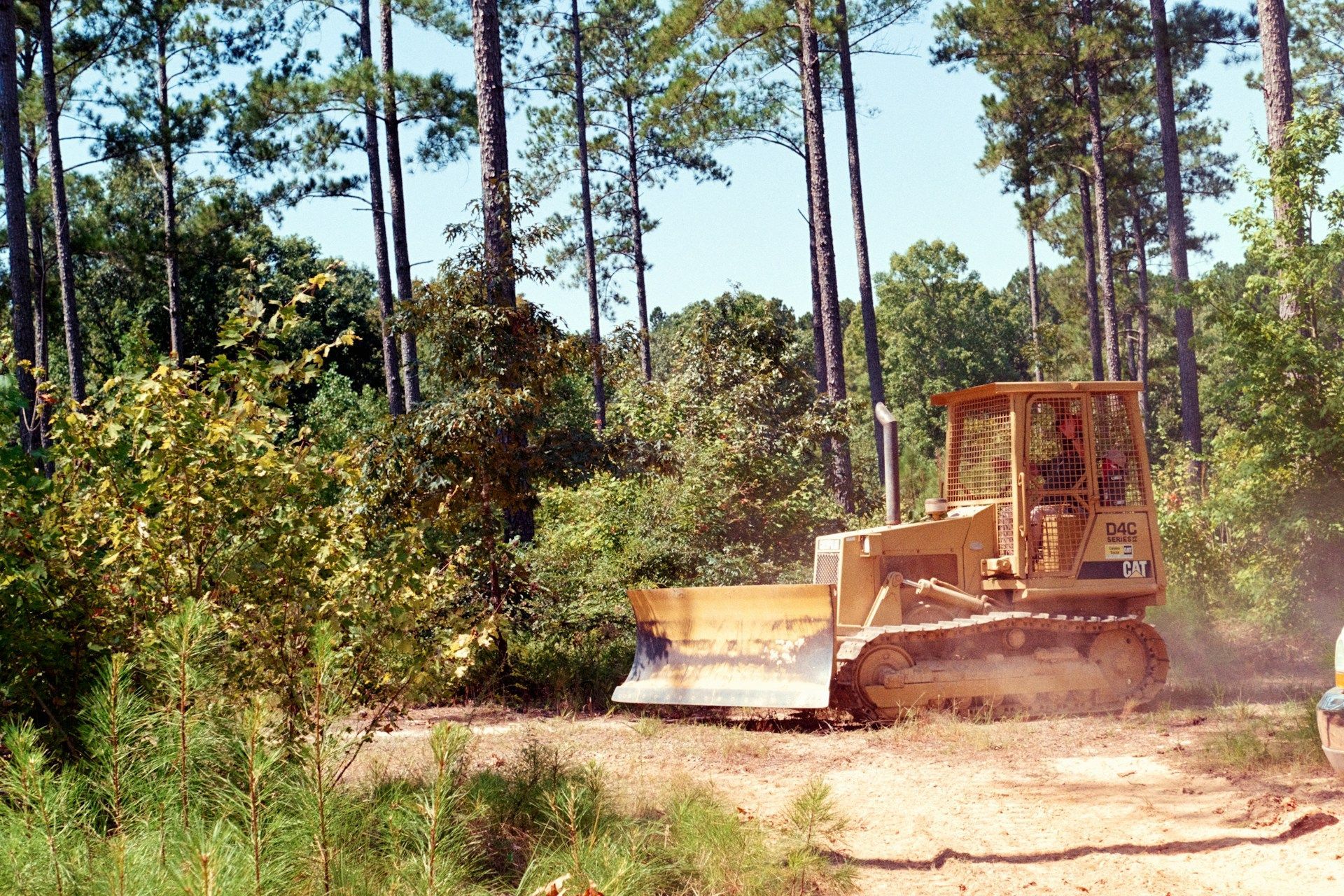
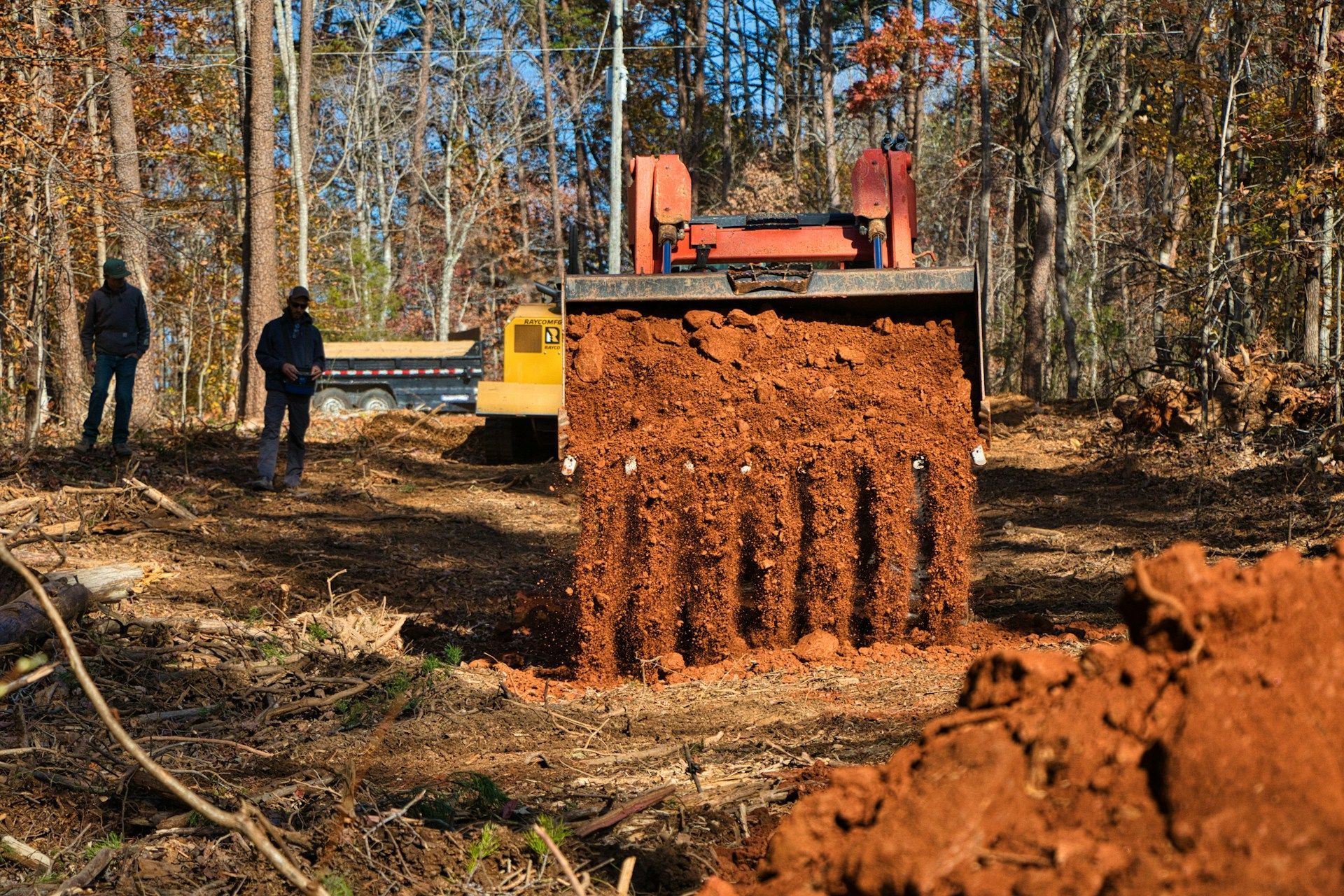
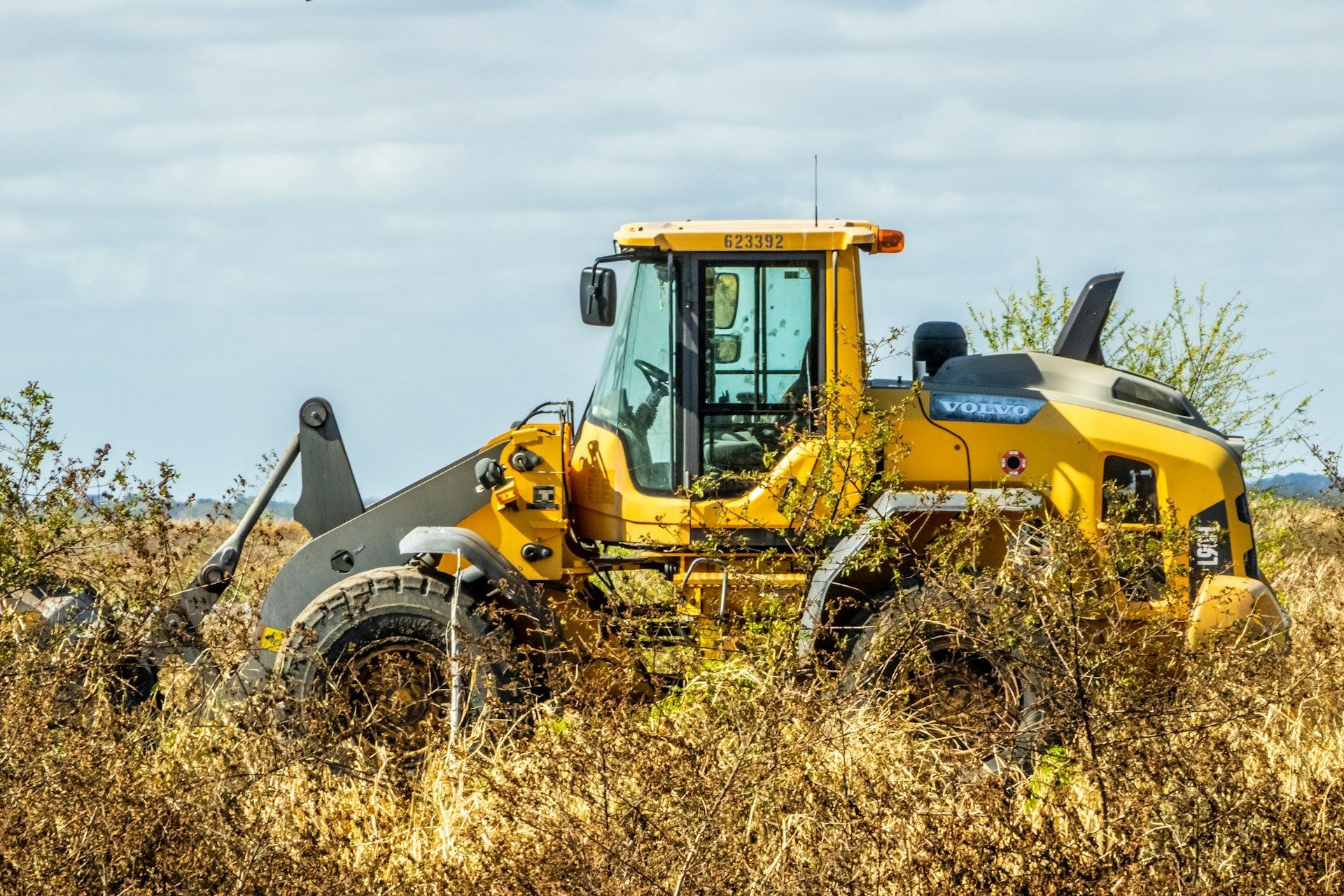
For properties being developed or updated, land clearing is a chance to think long-term. With a thoughtful plan, you can:
- Keep the healthiest, strongest existing trees
- Remove weak or poorly placed trees before new construction
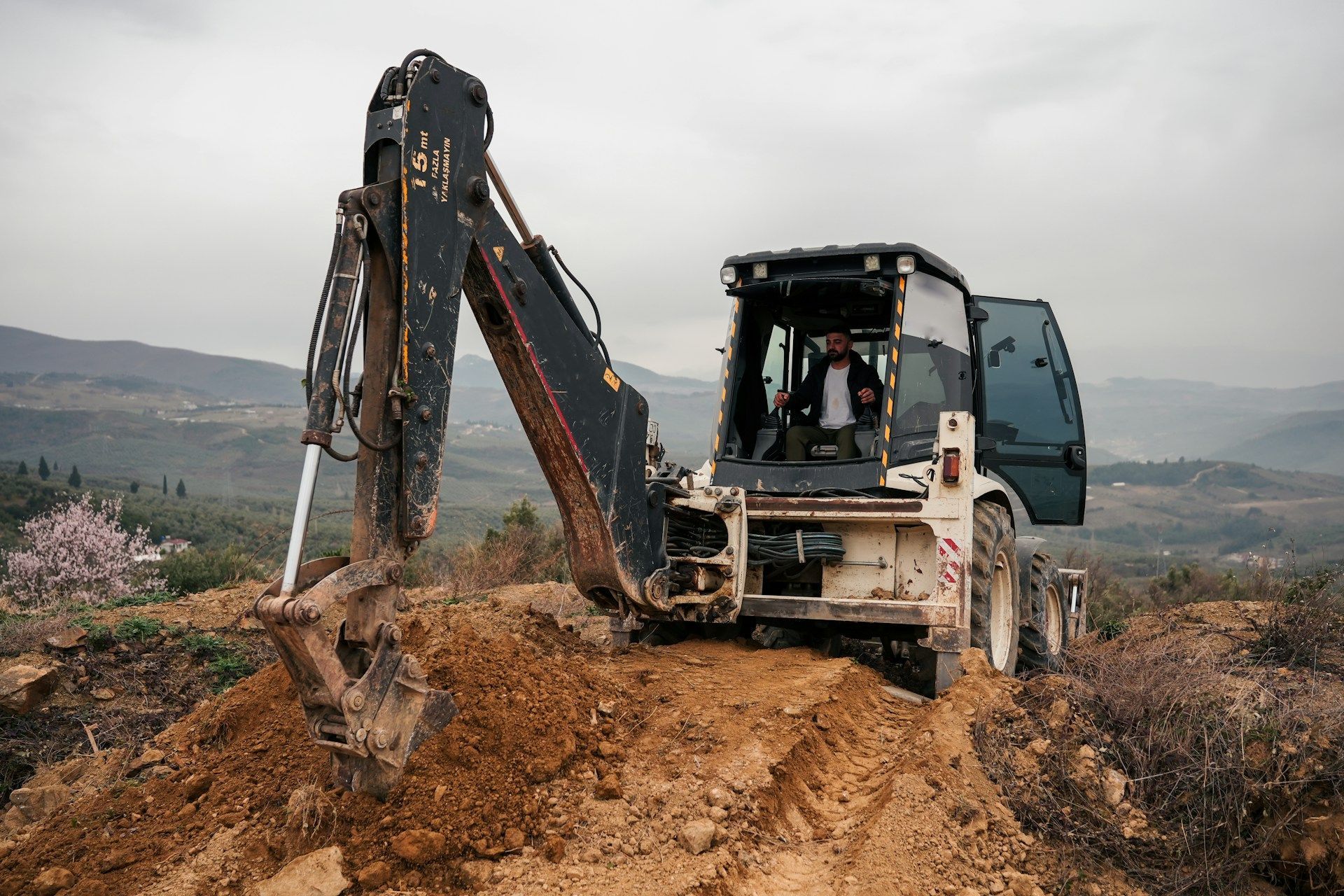
- Adjust grading to help water drain away from roots and foundations
- Plan new, wind-resilient plantings to frame the home, pool, or shop
A storm-ready yard is not a one-time project. It is an ongoing routine that fits into normal home care. A simple long-term plan might include:
- Regular tree health inspections
- Periodic pruning to keep strong structure
- Refreshing mulch while keeping it away from trunks
- Replanting younger trees as older ones start to decline
Over time, these small steps build a safer, storm-ready yard that shades your home, looks good from the street, and is better prepared when the next storm band sweeps into Katy and the greater Houston area.
Get Started With Your Project Today
If your trees are overdue for care, now is the perfect time to schedule professional
tree trimming in Katy, TX. At Apple Tree Service, we’ll evaluate your trees, recommend the right solutions, and complete the work safely and efficiently. Tell us about your property and goals, and we’ll provide a clear plan and estimate. Ready to move forward? Simply
contact us and we’ll help you get started.