Land Clearing in Katy, TX: Permits, HOA Rules, Drainage, and Lot Prep
Building a custom home in Katy starts long before the foundation is poured. The way you clear and prep your lot can affect your schedule, your budget, your drainage, and even how your HOA responds to your plans. A little planning on the front end can save a lot of headaches once the heavy equipment shows up.
In this guide, we walk through how residential land clearing in Katy, TX connects with permits, HOA rules, drainage, and what it takes to leave a lot ready for your builder. If you are thinking about a spring or summer build, fall is a great time to plan out your clearing and get approvals lined up.
Start Smart with Early Land Clearing Planning
Residential land clearing for a custom home usually includes things like:
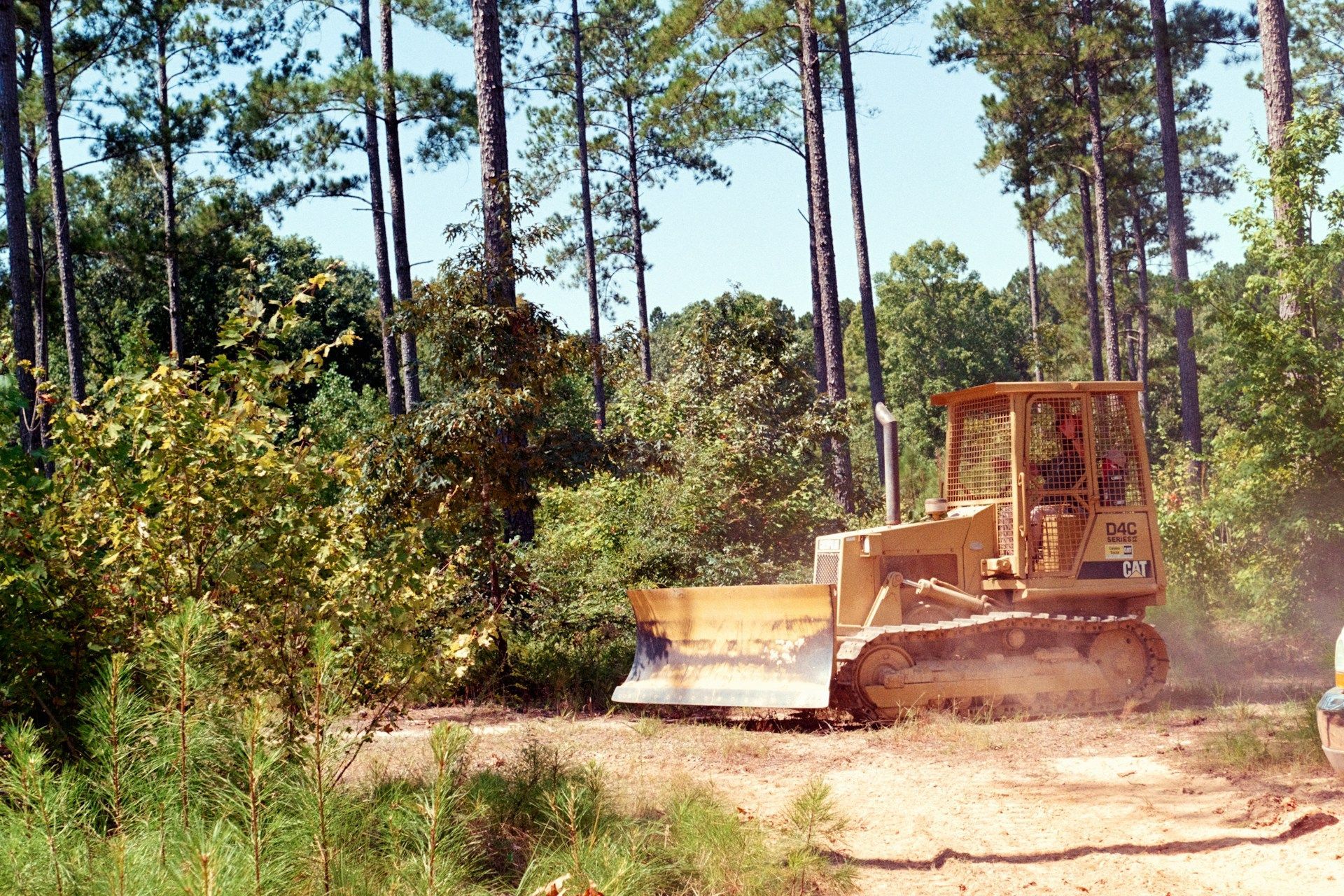
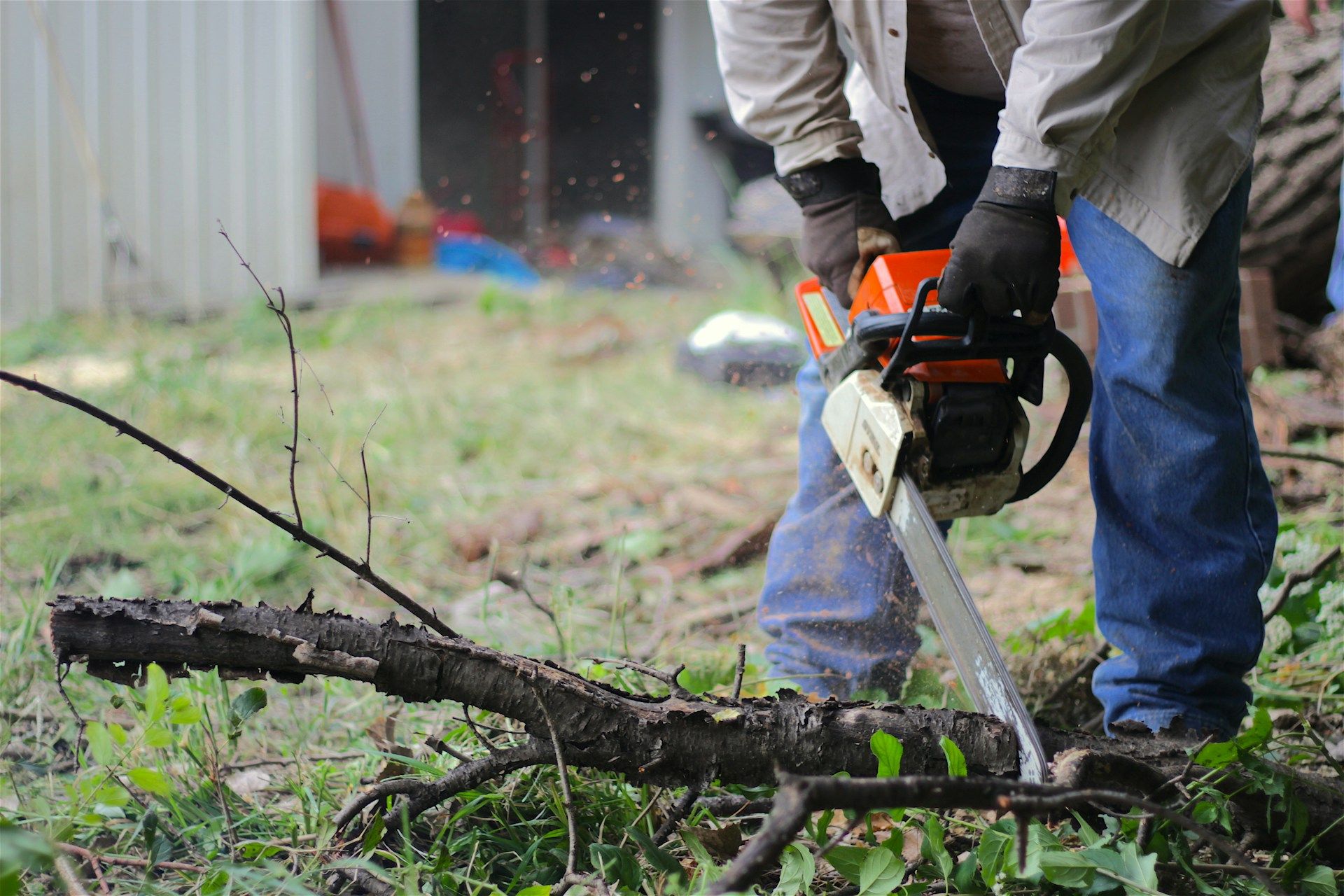
- Removing unwanted trees, brush, and undergrowth
- Grinding stumps so future lawns and patios sit smooth
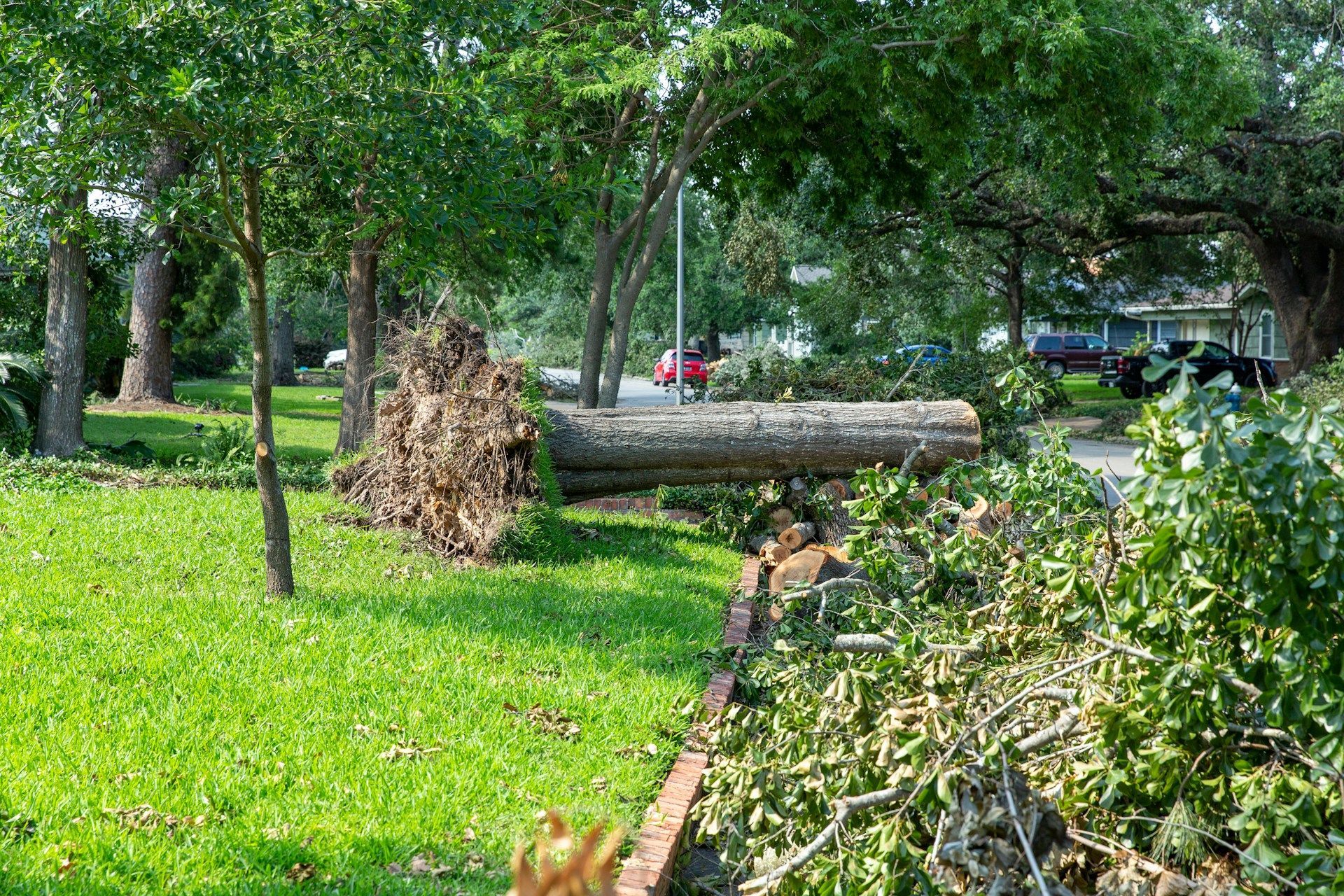
- Hauling off logs, limbs, and construction debris
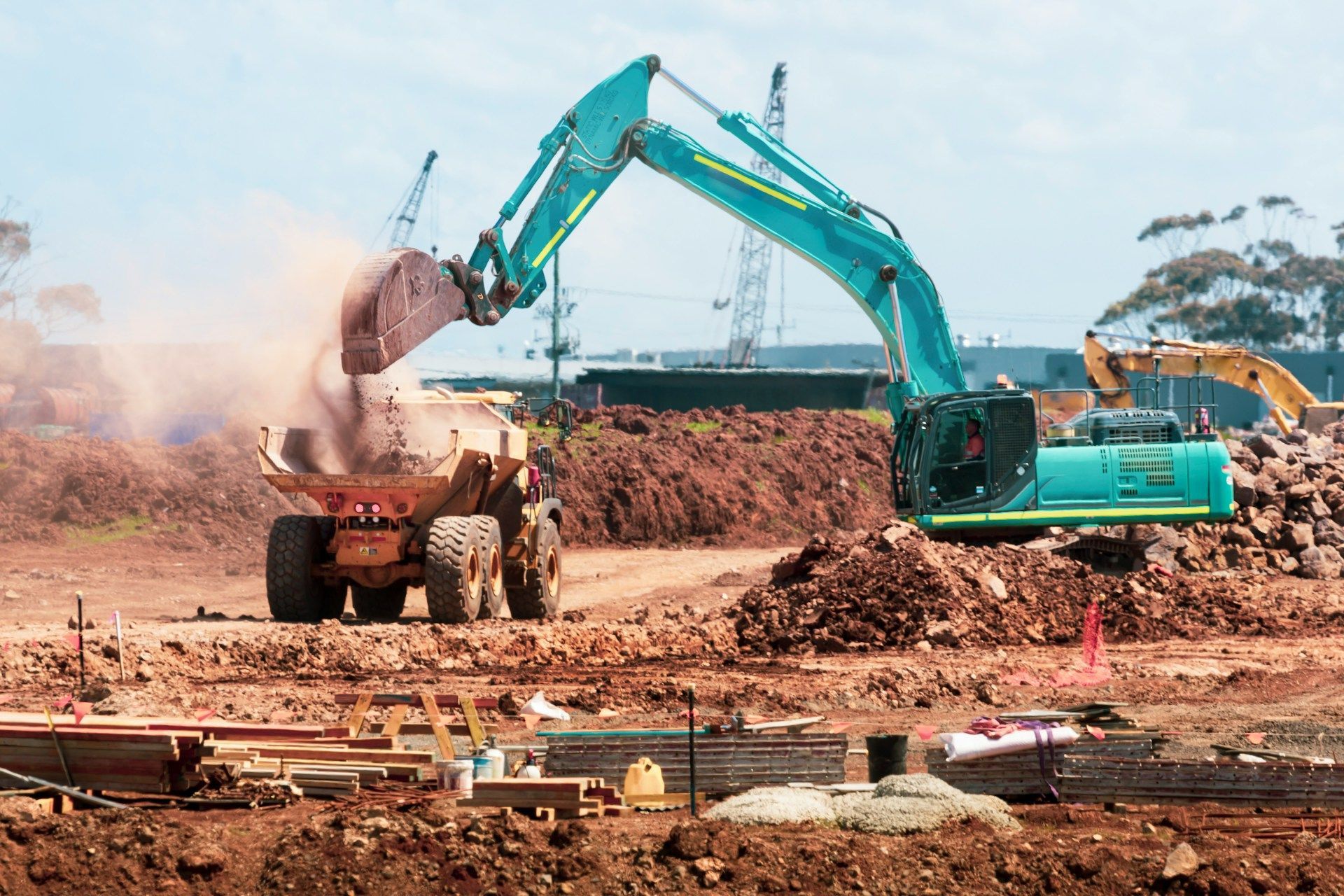
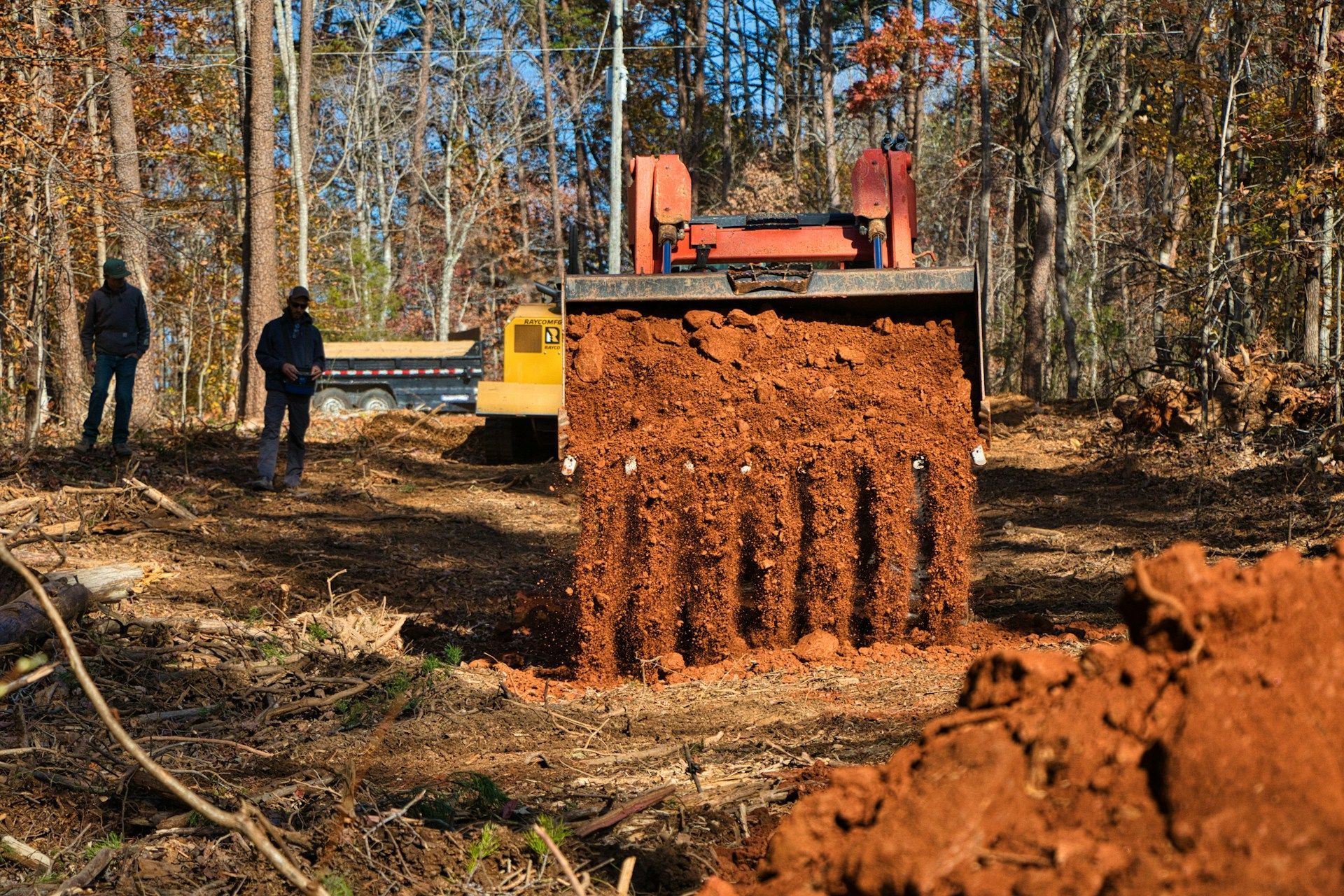
- Rough grading so equipment and trucks can access the site
When you plan early, you give yourself time to:
- Confirm what the City of Katy, Fort Bend County, Harris County, or your MUD expects
- Work through HOA approvals before any trees come down
- Coordinate with your builder so the clearing matches the house layout
Fall is a smart planning window if you are targeting a build in a later season. You can walk the property while daylight hours are still long, study the lot when rain patterns show drainage issues, and get on the schedule with a local, insured tree and land service before things get busy.
Understanding Permits, Counties, and HOA Rules
Around Katy, rules can change based on where your property sits and what you are doing on it. Some areas fall inside the City of Katy, some are in Fort Bend County or Harris County, and many are tied to MUDs or other districts.
You may need permits or approvals when:
- You are clearing for new home construction, not just light yard cleanup
- You plan major grading that changes how water flows
- You are removing large or significant trees on a regulated lot
HOAs often layer on extra rules. They may control:
- How many trees must stay in the front yard
- What counts as required green space
- Whether you can clear to the property line or must leave buffers
Getting written approval from your HOA before any land clearing in Katy, TX starts is very important. It helps prevent fines, stop-work orders, or being asked to replant trees later.
A professional land clearing team can work with your builder to:
- Respect tree protection zones and root areas
- Maintain setbacks from property lines and easements
- Plan for safe haul-off so debris does not sit on the street or in ditches
HOA-Friendly Clearing That Keeps Curb Appeal
Many Katy-area neighborhoods do not want lots scraped bare. Instead, they prefer selective clearing that keeps the property looking finished even during construction.
Typical HOA expectations include:
- Keeping a few healthy front-yard trees for shade and street appeal
- Leaving or shaping landscape buffers between neighboring homes
- Protecting drainage swales and ditches that serve the whole street
- Controlling erosion and mud so it does not wash onto shared roads
A simple step-by-step approach helps:
- Meet with your builder to mark the house, driveway, pool, and outdoor areas.
- Review your HOA guidelines to see what must stay and what needs approval.
- Walk the lot and mark trees to save, tree protection zones, and buffer areas.
- Clear in phases, starting with access paths, then the house pad, then any extra areas.
This way, you keep as much natural shade and screening as possible while still giving your construction crews clear room to work.
Drainage, Soil, and Flood Concerns on Katy Lots
Katy is known for heavy rains and clay soils that can hold water. How you clear your land can help that water move correctly or make problems worse if it is not handled with care.
Before clearing, it helps to study:
- Existing swales or ditches that carry water off your property
- Natural low spots where water already pools
- Nearby bayous or detention ponds and how your lot drains toward them
- Trees and root systems that are holding soil in place
When you cut and remove trees, the roots break down and the soil can shift. Water may start flowing in new directions. That is why a basic drainage plan with your builder or engineer matters.
Good clearing and grading practices can include:
- Avoiding heavy equipment in the same spot over and over to limit soil compaction
- Grading so water flows away from your future foundation and out to proper outlets
- Protecting key drainage channels instead of filling them in
- Stabilizing bare soil with mulch or other cover once clearing is done
This kind of planning helps reduce standing water, soft driveways, and erosion around your new home.
Step-by-step: Getting a Lot Builder Ready
Preparing a lot for a custom home usually follows a clear sequence:
1. Site walk and property lines
You, your builder, and your land clearing team walk the site, locate survey stakes, and confirm boundaries and easements.
2. Tree and utility review
You identify which trees look healthy, which are in the way, and where overhead or underground utilities may be.
3. Clearing map
Together you outline what needs to be cleared for:
- House footprint and garage
- Driveway and walkways
- Septic, pool, or outdoor living areas
- Construction parking and access
4. Actual clearing and grading
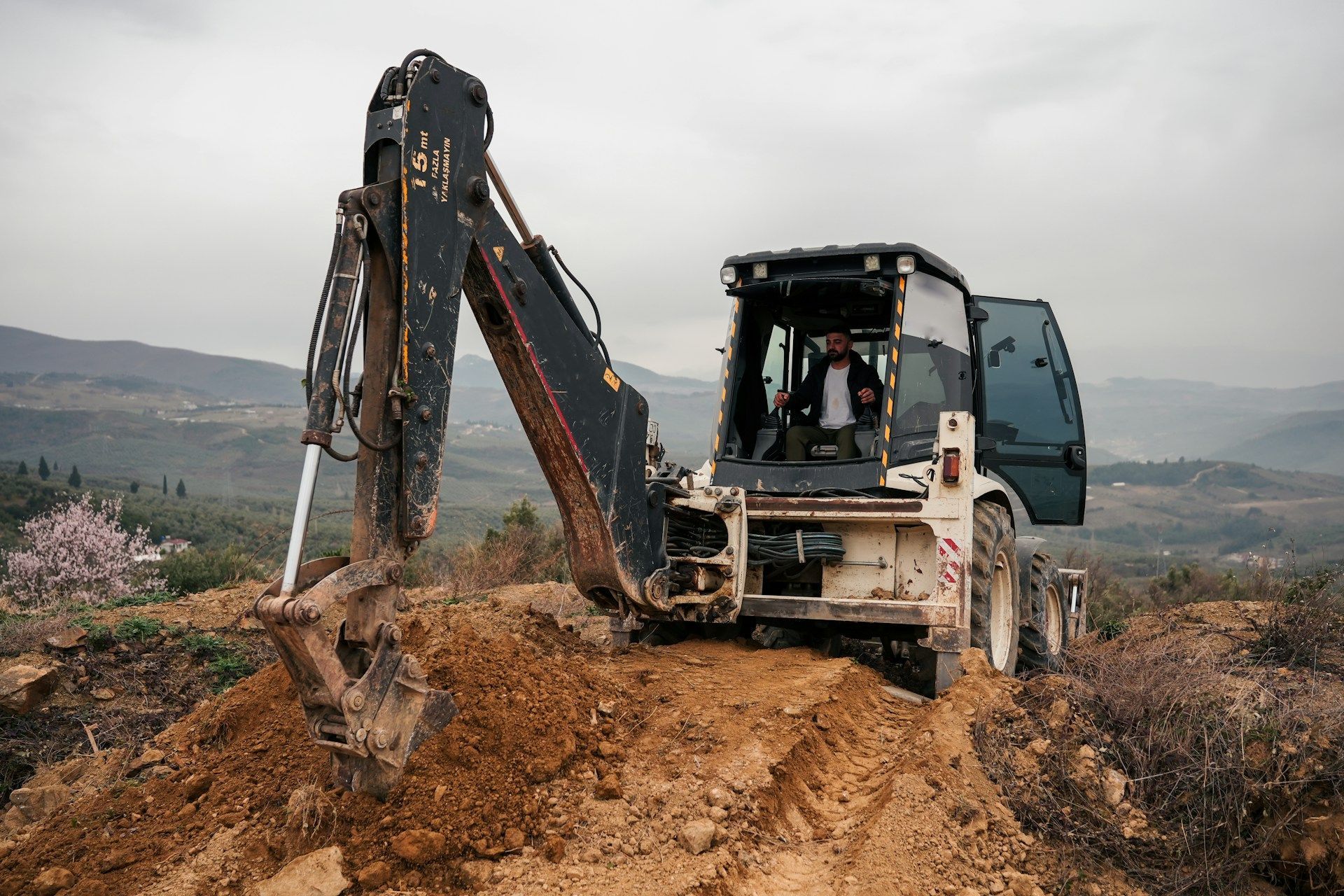
Crews remove unwanted trees and brush, grind stumps in future lawn or hardscape areas, and use equipment like bobcats for rough grading and access paths.
A good end goal is a lot that is “builder ready,” which usually means:
- All debris has been hauled away
- Access paths are firm enough for trucks and concrete crews
- Drainage ditches and swales are open and protected
- Saved trees are pruned for safety before heavy construction begins
When to Remove Trees and When to Trim
Many homeowners want shade and mature trees around their new home, but also want to avoid root problems, roof damage, and safety risks. The key is choosing which trees to remove and which to keep.
Removal often makes sense when:
- A tree sits inside the planned house, driveway, or pool footprint
- The trunk is too close to where the foundation will be
- The tree shows signs of disease, heavy lean, or major dead limbs
- Roots are likely to interfere with planned utilities or hard surfaces
On the other hand, a tree may be a good candidate for trimming instead of removal if it is:
- Healthy and located just outside the construction zone
- Providing privacy or shade that fits your long-term plans
- Only needing structural pruning to clear roofs, lines, or future patios
A professional tree service can help balance design and safety, suggest selective pruning, and even plan for staged removals if needed as the build progresses. This keeps more of your natural landscape intact while still protecting your future home.
Get Started With Your Project Today
If you are ready to clear your lot safely and efficiently, our crew at Apple Tree Service is here to help. Explore our full range of services, including professional
land clearing in Katy, TX, and see how we can tailor a plan to your property. We will walk you through permits, timing, and the best approach for your specific goals. Have questions or need a quote soon? Just
contact us and we will respond promptly.