Permits, HOAs, and Utility Lines: Katy Tree Trimming Checklist
Protect Your Home Before Hurricane Winds Hit
Pre-hurricane tree trimming in Katy, TX is one of the smartest things you can do to protect your home. Late summer and early fall are when storm systems really start spinning up in the Gulf, and that is usually when long, heavy limbs turn into flying debris. Strong winds look for weak spots, and overgrown trees are an easy target.
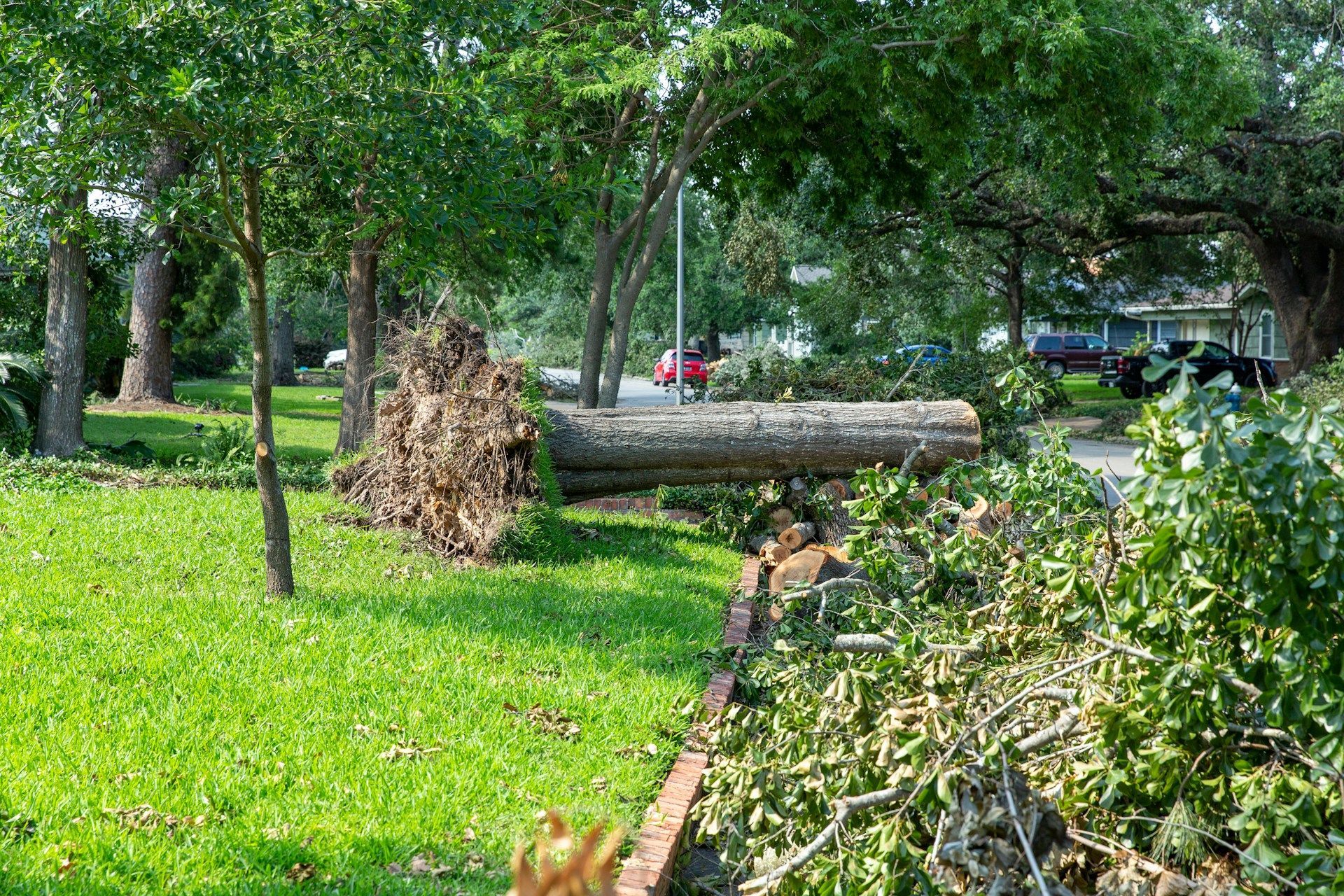
When trees are not cared for before storm season, small issues quickly turn into big problems. Loose or dead limbs can snap off and hit roofs, fences, and cars. Whole trees can lean, uproot, or pull down power lines. A yard that looks fine on a calm day can become a hazard once the wind picks up.
Our goal here is to help you get ahead of that risk. Before you schedule any trimming or removal, there are rules to check, forms to file, and safety details to think about. Knowing what your city, HOA, and utility companies require can save you from last-minute delays when a storm is already in the forecast.
Know the Rules Before You Cut a Single Branch
Tree trimming in Katy, TX is not just about what looks good. Local ordinances can affect what you are allowed to cut, especially if you have big, older trees or trees near streets and sidewalks. The rules can change depending on whether your home is inside city limits, in a county area, or in a master-planned neighborhood.
In many places, routine trimming is treated differently from full removal. You may:
- Not need a permit for light trimming to clear deadwood or lift low branches
- Need a permit for removing a large or healthy tree
- Have special rules if a tree is considered a protected or landmark tree
- Face limits on how much of a tree canopy you can remove at once
Getting this wrong can cause trouble. Homeowners sometimes find out after work has started that permits were required. That can lead to stop-work orders, fines, or required replanting. It is stressful any time, but when a storm is forming in the Gulf, it can derail your plans completely.
The best move is to check your city or county website early, long before you see a hurricane name on the news. If the rules are confusing, a professional tree service that works in the Katy/Houston area every day can help review local guidelines, explain what applies to your property, and handle paperwork so you are not scrambling later.
How HOAs Can Delay or Deny Your Tree Work
Many Katy neighborhoods have homeowners associations that care a lot about trees. They often have rules about which tree species are allowed, how many shade trees must stay in the front yard, and how the overall street should look from the curb. They may also have standards for street trees planted along sidewalks.
Common HOA tree rules include:
- Not removing a front yard tree without written approval
- Keeping certain trees for shade or neighborhood appearance
- Replacing removed trees with approved species
- Following height and pruning style guidelines
To get approval, you usually need to submit a request. That can mean filling out a form, adding photos of the tree, and explaining what work you want done and why. Some boards meet only every few weeks. That timing becomes a problem when the weather report suddenly turns serious.
To speed things up, it helps to:
- Send clear photos of the tree from different angles
- Use simple before-and-after descriptions of the work
- Point out safety concerns, like branches over the roof or driveway
- Include a note from a professional tree service explaining why the work is needed
When you show that your main concern is safety and preventing storm damage, many HOAs are more open to approving trimming or removal, especially as storm season peaks.
Utility Lines, Easements, and Safety Red Flags
Tree trimming in Katy, TX is not only about what is on your property; it is also about what runs through it. We have both overhead and underground utilities in this area. Older neighborhoods often have big, mature trees under or near power lines, cable lines, and phone lines.
Overhead lines are the easiest to see, but the rules around them are strict. In general:
- Homeowners should not trim near high-voltage lines
- Only trained line-clearance professionals are allowed to work close to power lines
- Utility companies may need to be called before any work happens near main lines
DIY trimming near power lines is dangerous and often not allowed. Even a small slip can lead to downed lines, fires, or serious injury.
Underground utilities also matter. Many back fences, side yards, and drainage areas have easements. An easement is a strip of land where a utility company or local agency has the right to access and maintain lines or drainage channels. Trees that grow in or near these areas can create problems if they are trimmed or removed without permission.
Unapproved work in an easement can:
- Damage buried lines, pipes, or drainage systems
- Trigger penalties or repair costs
- Block access that utilities need during and after storms
Before we trim or remove trees close to overhead lines or easements, we always want to know who is responsible for what. In some cases, the utility company will handle certain sections and a private tree service will handle the rest, working together to keep everyone safe.
Timing Your Tree Trimming Before Peak Storms
Good timing might be the most important part of pre-hurricane tree work. If you wait until a storm has a name and a track, tree crews in Katy fill up fast. Rushed decisions lead to poor cuts or halfway jobs that do not really solve the problem.
A better plan is to schedule trimming before the busiest part of storm season. Early fall is a common time because:
- Trees often put on late-summer growth that makes canopies heavy
- Long, thick branches can act like sails in strong wind
- Hot soil and stressed trees are more likely to fail if they already have hidden weaknesses
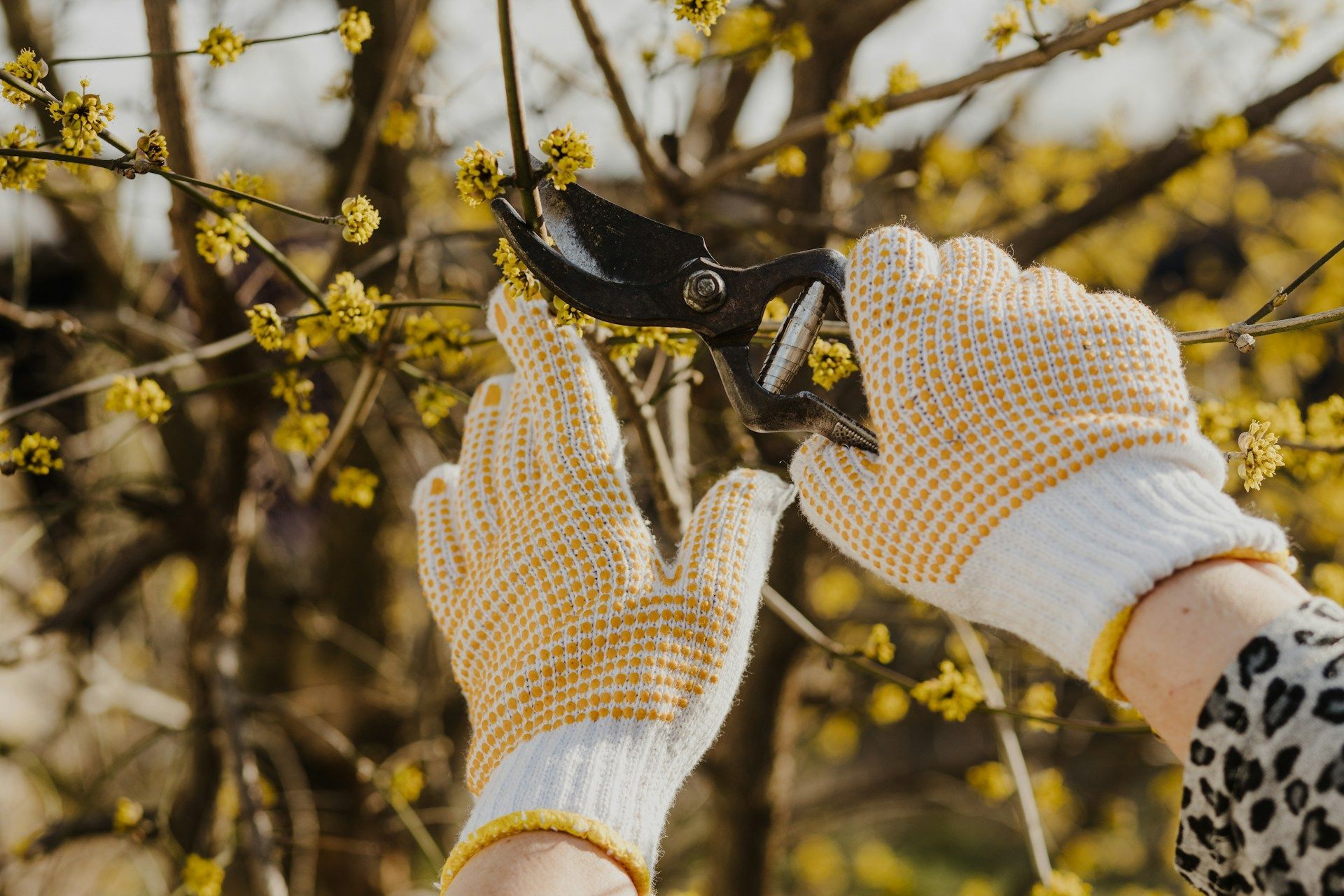
Proper trimming focuses on thinning crowded branches, clearing deadwood, and reducing weight where a tree is overextended. The goal is not to strip the tree bare, but to help wind move through it more easily.
Many homeowners find it helpful to follow a simple annual checklist, such as:
- Look for dead or leaning trees that seem worse than last year
- Check for branches hanging over roofs, driveways, or outdoor living areas
- Notice limbs close to service drops that run from the pole to your home
- Revisit trees that were damaged in past storms to see if they recovered or declined
Catching these issues early gives you and your tree service time to plan, get approvals, and do the work safely.
Call in the Pros Before the Storm Warnings Start
Trees can look fine from the ground but still have serious problems inside. Internal decay, cracks high in the canopy, or shifting roots often show up only to trained eyes. A professional safety assessment before the weather turns rough can reveal weak spots long before they become emergencies.
As a local, fully insured tree care and land services company in the Katy/Houston area, we work around these pre-hurricane details every season. We understand how to respect city rules, work within HOA guidelines, and coordinate with utilities so trimming and removal follow the rules and keep people safe. When storms are on the horizon, that kind of preparation makes a big difference in how your trees and your home handle the wind.
Get Started With Your Project Today
If your trees are overdue for professional care, Apple Tree Service is ready to help restore their health and appearance with expert
tree trimming in Katy, TX. We will assess your property, recommend the right services, and handle the work safely and efficiently from start to finish. Reach out today to discuss your needs or request a quote through our
contact page.