Emergency Tree Cutting in Katy: Who Can Approve and What Docs Are Needed
Know Your Rights Before the Next Storm Hits
When storms roll through Katy and the Houston area, tree problems move fast. A tree that was standing fine at lunchtime can be leaning toward your roof by dinner. In late summer Hurricane Season, you often have to make decisions in minutes, not weeks.
That speed is where the confusion starts. Many homeowners, HOAs, and landlords are not sure who can actually say yes to emergency tree cutting in Katy when a tree is threatening a house, power lines, or the street. Waiting for the wrong person to approve work can cost you time and cause more damage.
We will walk through who has the legal authority to approve emergency tree work, when permits and city rules come into play, which utilities you should call, and what insurance records protect you later. As a local, fully insured tree and land service company, we work with these questions every storm season and know how stressful those decisions can feel.
Who Can Approve Emergency Tree Cutting in Katy
On a normal day, tree work often goes through a slow process. During an emergency, that changes. Safety comes first, and the law usually treats life-safety risk differently than normal yard work.
For homeowners, you can usually approve emergency work right away if:
- The tree is on your private property
- It is an immediate danger to people or your home
- Waiting for a meeting or email reply would increase risk
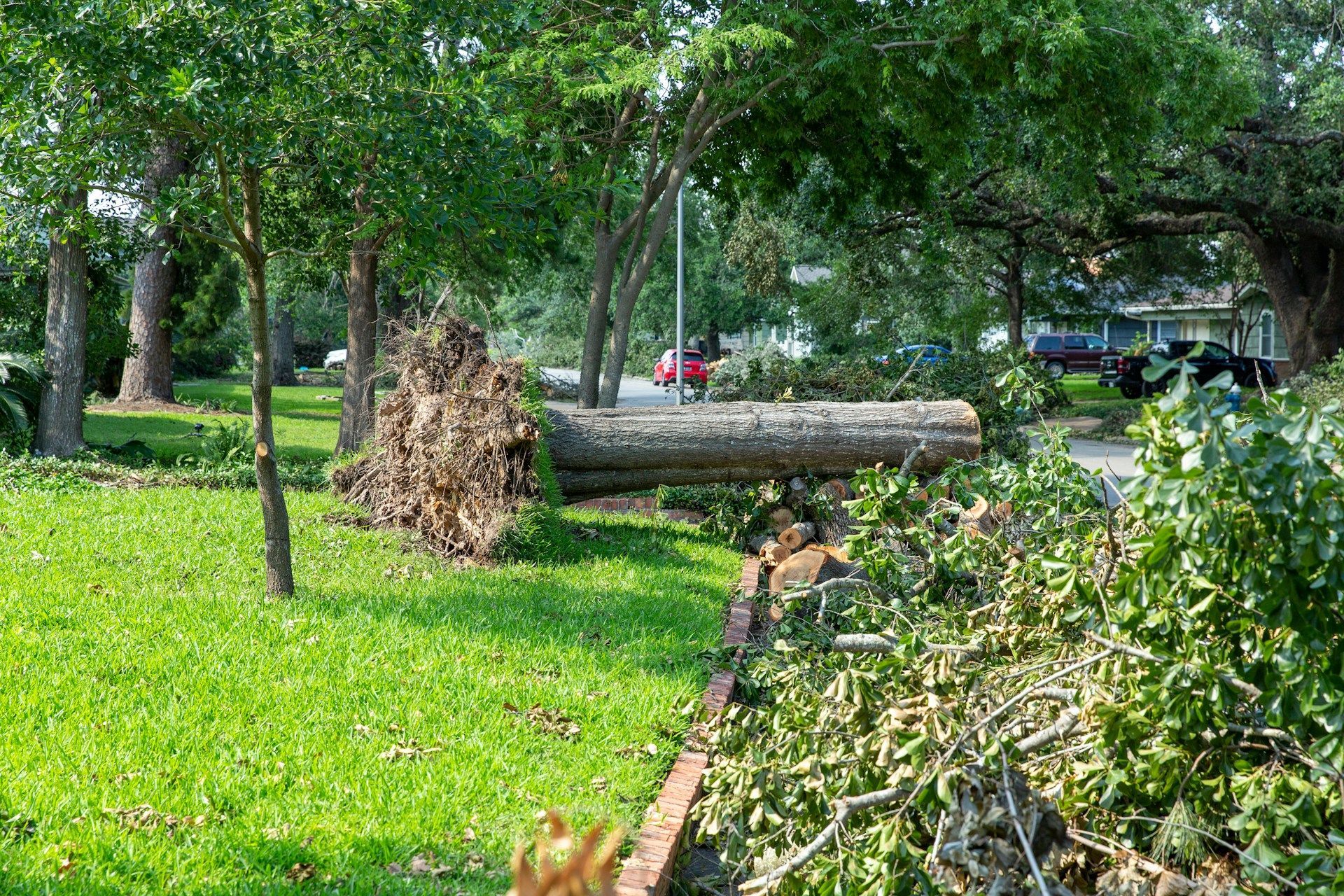
That often covers situations like a large branch hanging over a bedroom, a trunk cracking toward your roof, or a fallen tree pressing on your structure. You do not normally have to wait for your HOA to respond when someone could get hurt.
Homeowner authority does have limits:
- If a tree trunk sits right on a property line
- If the tree is in a shared easement or drainage area
- If it is in a neighborhood common area
In those cases, you may need the neighbor, HOA, or property manager involved. A professional tree team can help mark property lines and explain what can be done quickly and what may need joint approval.
For HOAs, the rules are a little different. Routine trimming and cosmetic pruning are usually covered by written guidelines and do not count as emergencies. Emergency tree cutting in Katy for an HOA often comes up when:
- A common-area tree is blocking the entrance or street
- A playground or pool area is unsafe because of broken limbs
- A tree is leaning toward multiple homes or shared structures
Most HOAs give decision power to board members or a property manager. Many bylaws treat life-safety issues as top priority, which means an officer or manager can approve urgent work first and sort out cosmetic questions later.
Landlords and tenants have their own split. In many rentals, landlords handle tree care. But storms do not wait for office hours. A tenant may be allowed to call an emergency tree service directly if:
- The tree threatens the roof or walls
- Entry and exit paths are blocked
- The home is not safe or livable without fast action
After a storm, landlords and tenants should both look at:
- Maintenance and yard clauses in the lease
- Any emergency repair sections
- Required notice rules, like who must be told and how fast
When everyone knows these details before hurricane season, decisions get easier when things go wrong.
When Emergency Tree Work Needs Permits
Not all tree work is treated the same by local cities and counties. Normal, planned removals might require advance permits, especially if a tree is large or protected. Emergency abatements are different because the main goal is to remove a clear hazard.
You might run into permit issues if:
- A large, healthy tree is being removed for non-emergency reasons
- The tree is listed as protected by city code
- The tree sits close to public property or drainage systems
During a true emergency, many local governments allow you to act first to remove an immediate danger, then explain the situation after. They still expect you to be honest and careful.
Good habits that help with this include:
- Taking clear photos and videos before and during work
- Getting a written assessment from the tree professional
- Saving any emails or messages about the risk and timing
These records help if you are ever asked why the work had to be done without a normal permit ahead of time.
A local professional tree service can help decide:
- If the situation truly counts as an emergency
- When a permit is likely needed
- How to handle paperwork when time allows
Hiring a fully insured local company also adds a layer of protection if a city inspector or neighbor later questions the work or how it was done.
Utility and City Notifications That Prevent Bigger Disasters
Trees and power lines are a dangerous mix. When branches or trunks touch overhead lines, no one should start cutting without checking with the electric utility first. Even during emergency tree cutting in Katy, safety around lines is not optional.
Tree professionals will often:
- Ask you about any power flickers or sparks you saw
- Look for sagging or hidden lines in branches
- Coordinate with the utility if a line must be de-energized or guarded
If you see lines on the ground or on your roof, you should treat them as live and stay far back. That is a 911 and utility call before anything else.
Public property and right-of-way areas add another layer. If a tree:
- Blocks a street or sidewalk
- Damages public signs, hydrants, or ditches
- Falls from your yard into the road
You may need to alert the city or county. In many cases, they handle what is in the right of way and work with private owners on the rest. A tree service that knows Katy and Houston rules can help point you to the correct office.
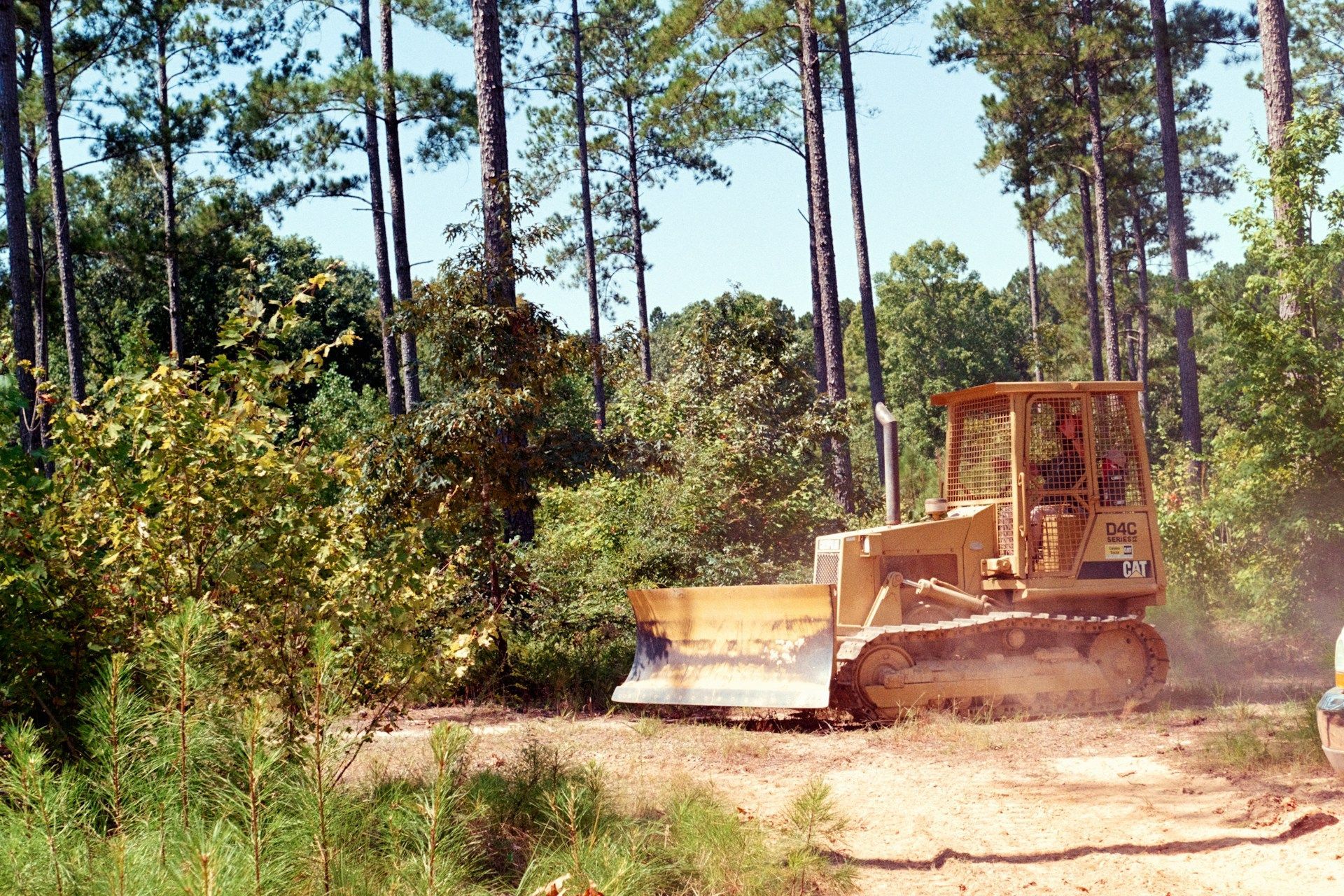
Below the ground, things can be just as risky. After a storm, stump grinding, bobcat work, and land clearing can hit:
- Gas lines
- Water or sewer pipes
- Cable or internet lines
If there is time and the area is not life-threatening, a call-before-you-dig service like 811 can mark buried lines. Local pros who work in the same neighborhoods often know where to be extra careful and how to adjust equipment to reduce risk while still getting the emergency work done.
Insurance, Photos, and Paperwork You Need Ready
When storm damage hits, your first concern is safety. Once things calm down, insurance questions rise fast. Good records can make the difference between a smooth claim and a long argument.
For homeowners and landlords, most insurers want:
- Photos and videos before and after tree work
- The date and time of the storm or failure
- Invoices that clearly mark the work as emergency service
It also helps to talk with your insurer early, so you know what is covered, such as:
- Tree removal and debris hauling
- Stump grinding
- Damage to roofs, fences, sheds, and other structures
From the contractor side, you should expect:
- Proof of current insurance from the tree company
- A detailed invoice that lists emergency response, equipment, and steps taken to protect property
- Notes about any pre-existing issues the storm made worse
If a neighbor later claims your tree damaged their property, or there is a dispute about a shared tree, this paperwork helps show what really happened and what actions were taken.
For HOAs and rentals, keep a simple paper trail:
- Save emails and texts where an HOA board member or manager approves emergency work
- Keep notes on who you spoke with and when
- Document messages with tenants about safety, short-term moves, or repairs
These records can help prevent future arguments and show that you acted in good faith to protect people and property.
Steps to Take When a Tree Becomes an Emergency
When a tree turns into an emergency today, a clear plan keeps panic in check. A simple order of steps helps you move fast without missing something important.
Start with safety:
- Get people and pets away from the danger area
- Call 911 if power lines are down, structures look unstable, or anyone is hurt
If wires are involved, contact the utility next so they can secure the line. After that, call a local, insured emergency tree service to come on site, assess the situation, and take the right actions.
Once the scene is stable, you can:
- Notify your insurer and begin the claim process
- Inform your HOA if common areas or shared rules are involved
- Let your landlord or tenants know what is happening and what comes next
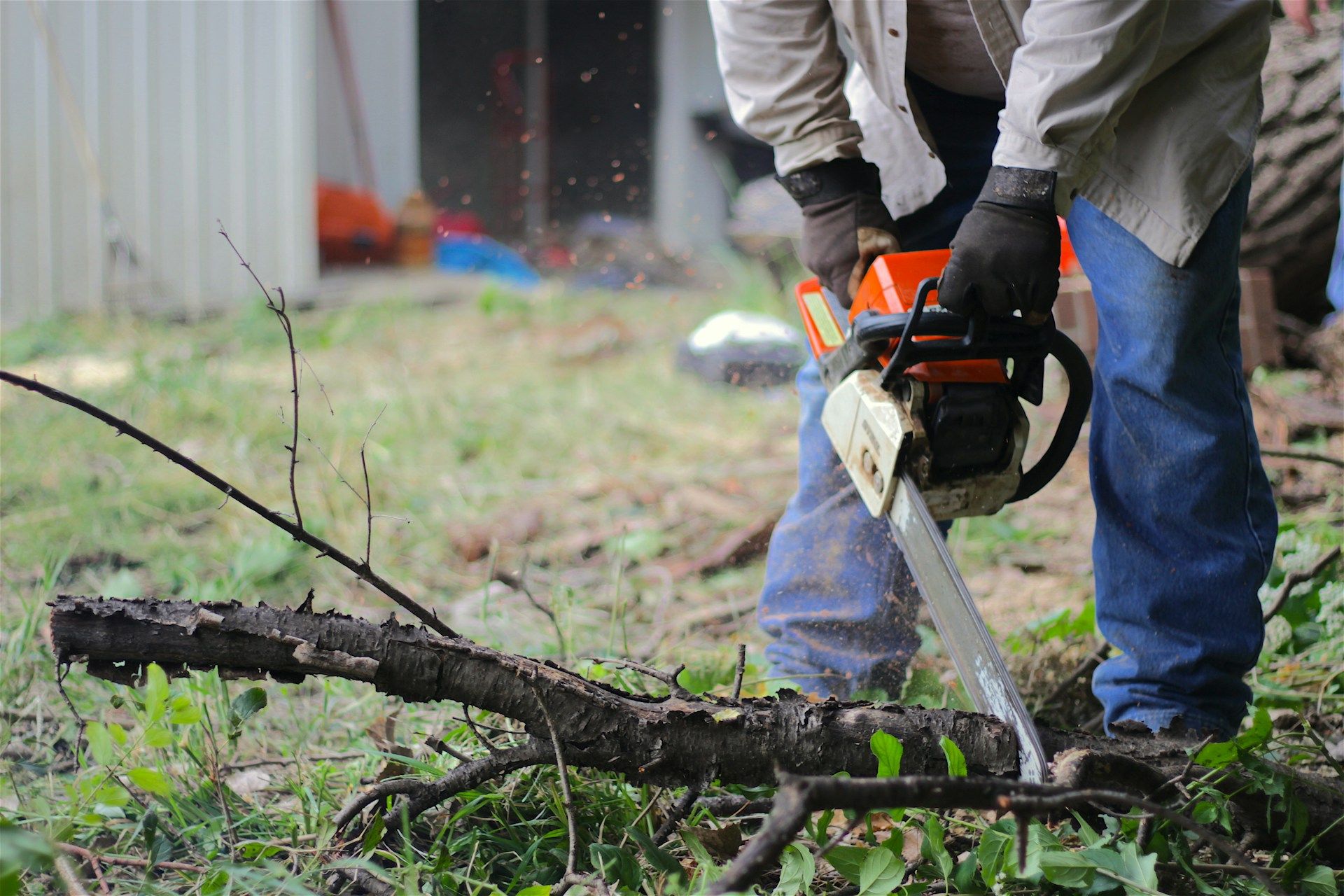
In the Katy and Houston area, working with a nearby company during late summer storm season helps a lot. Local teams know neighborhood layouts, common utility setups, and typical city expectations. That can cut delays and lower the chance of fines or extra steps after the fact. Many property owners also need more than just cutting, so emergency trimming, full removal, stump grinding, bobcat work, and land clearing can all be part of fully stabilizing a lot after a big storm.
The best time to think about all this is before peak storm months. A pre-storm inspection to spot weak branches, crowded canopies, and sick trees can greatly lower the chance of emergency tree cutting in Katy later. Knowing a trusted, fully insured local tree service ahead of time also means that when the next storm hits, you know exactly who to call and what information to have ready.
Get Started With Your Project Today
If a storm or damaged branch is putting your property at risk, our team at Apple Tree Service is ready to respond quickly and safely. Learn more about how we handle
emergency tree cutting in Katy so you can protect your home, family, and neighbors. When you are ready to schedule service or have questions about an urgent situation, simply
contact us and we will help you take the next step.