Understanding Tree Pruning in Katy, Texas, for Storm-Ready Yards
Make Your Katy Yard Ready Before the Next Storm
Strong storms roll through Katy fast. One moment the sky is bright, the next minute dark clouds, heavy rain, and high winds are pushing on every tree in your yard. When that happens, the shape and health of your trees matter a lot.
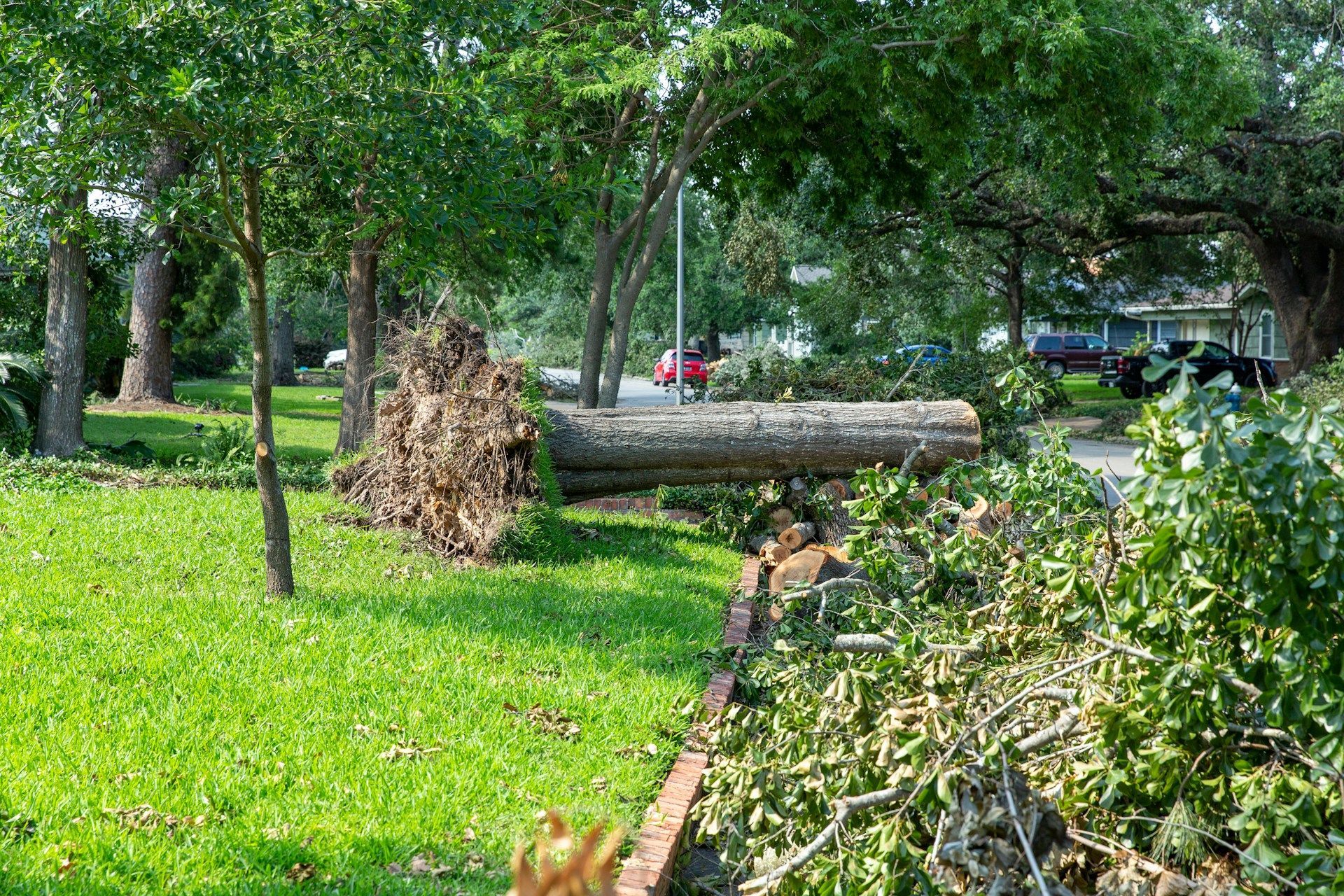
Healthy, well-pruned trees can bend and move with the wind. Weak, overgrown trees are more likely to snap, drop big limbs, or even uproot. That can mean broken fences, damaged roofs, blocked driveways, or risky branches near power lines.
Storms are part of life along the Gulf Coast. Getting smart about tree pruning in Katy, TX is one of the best ways homeowners and businesses can prepare before hurricane season gets busy. As a local tree service, we understand how Houston-area weather, soil, and common tree types all affect how your trees handle storms.
How Storms Stress Your Trees in Katy’s Climate
By late June, our area feels the heat. Days are long, the sun is strong, and when storms pop up, they often bring fast downpours and strong wind gusts. The ground can shift from dry to soaked in a short time.
All that water can leave soil soft and soggy. When soil is saturated, roots do not grip as well. A tall, top-heavy tree with a thick canopy is more likely to lean or uproot in those conditions. If a tree has not been pruned well, the risk goes up.
We often see the same storm problems around Katy:
- Large limbs that hang over roofs break in the wind
- Hidden decay inside a trunk gives way under stress
- Weak branch unions, where two stems push against each other, split apart
- Heavy branches loaded with rain and leaves snap and fall
Many of these issues start small. A bit of deadwood here, a couple of branches rubbing there, or a tight V-shaped fork in the trunk may not look serious at first. Over time, those small problems can turn into big failures. Smart pruning finds and fixes these weak spots before storm season peaks.
What Smart Tree Pruning in Katy, TX Really Involves
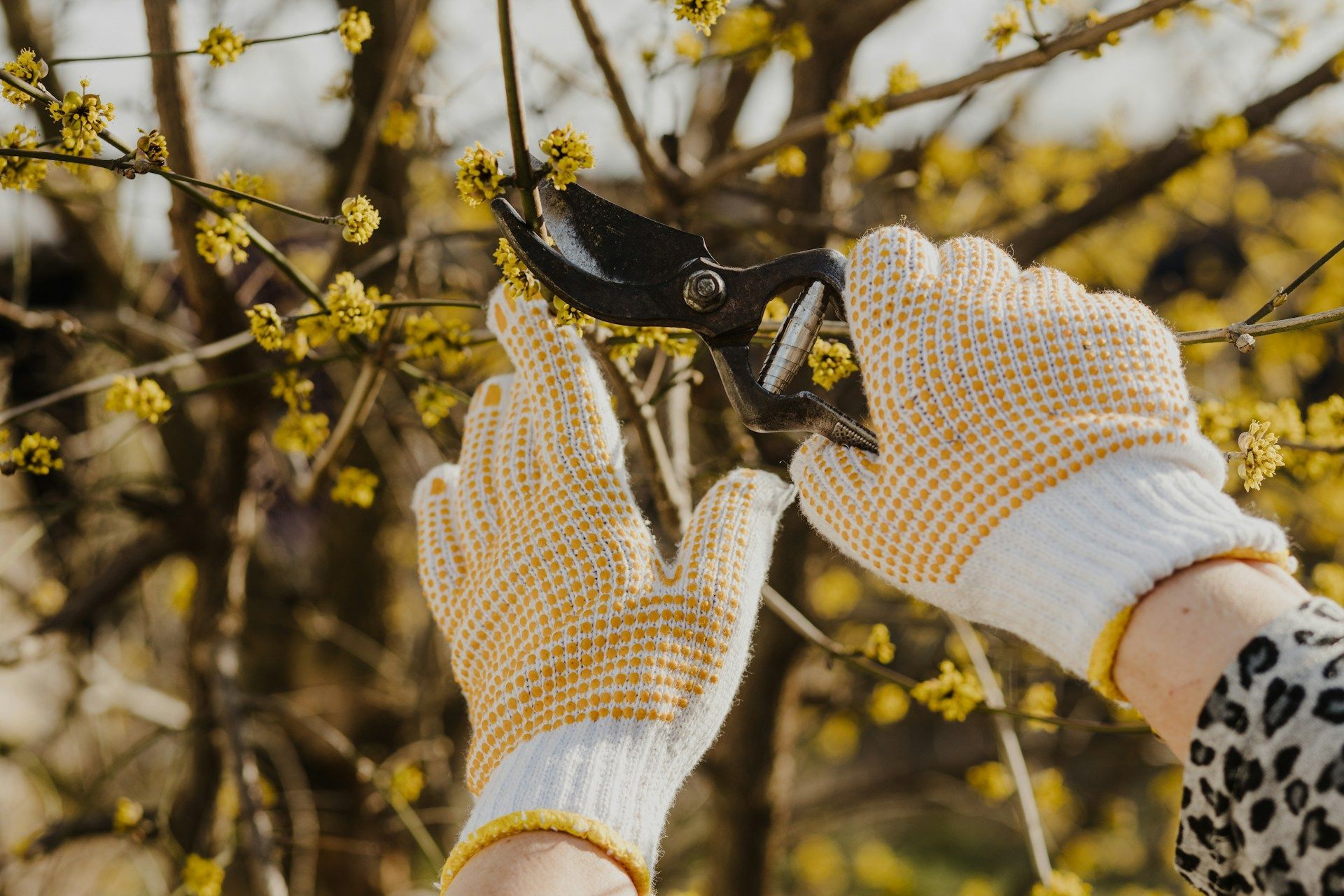
Good pruning is not just “cutting back” a tree. It is definitely not topping. Topping means cutting off the top of the tree or dropping big limbs to stubs. That may look like a quick way to make a tree smaller, but it usually makes the tree more dangerous later.
After topping, a tree sends up lots of weak sprouts from the cut points. Those sprouts grow fast but do not anchor well. In the next round of storms, those long, weak shoots are much more likely to snap.
Smart, storm-ready pruning focuses on structure and safety:
- Thinning the canopy so wind can pass through more easily
- Removing dead, dying, or diseased limbs before they fall on their own
- Cleaning out crossing or rubbing branches that can cause wounds and decay
- Correcting poor branch angles and co-dominant stems when possible
When we look at a tree, we consider its age, species, and location. A pine near a home, a live oak over a driveway, or a pecan by a play area each needs a different plan. We also think about how the tree grows in our heat, how much water it usually gets, and how it responds to pruning at different times of the year.
The goal is to keep the tree strong, balanced, and healthy, while gently lowering the chances of storm damage.
Signs Your Trees Are Not Storm-Ready
You do not have to be an expert to spot some warning signs in your own yard. A simple walk around your property can tell you a lot.
- Large limbs hanging over your roof, driveway, or patio
- Branches that rub or cross each other
- Visible cracks or splits in the trunk or big limbs
- Mushrooms, soft spots, or cavities near the base of the tree
- A tree that leans more than it used to or has soil raised on one side
Thick, very dense canopies can also be a concern, especially on tall trees that catch a lot of wind. Trees that were topped in the past and now have clusters of thin sprouts from big cuts should be checked. Those sprouts can be weak points when the wind picks up.
It may be tempting to grab a ladder and a saw and try to fix things yourself. That can be very unsafe. Climbing into a tree, cutting large limbs over a house, or working near power lines is risky even for people who do it every day. It is much safer to bring in trained help for anything beyond small, low branches.
Before storm season, many homeowners find it helpful to:
- Walk the whole yard and note any limbs over structures or walkways
- Take photos of trees that worry you from different angles
- Write down when you last had your trees professionally pruned
That simple checklist can make a professional visit faster and more focused.
How Apple Tree Service Protects Katy Properties
When we help get a property storm-ready, we start with an on-site look at the whole yard or commercial area. We identify high-risk trees and branches, then create a plan that focuses on the greatest dangers first.
Our work often includes:
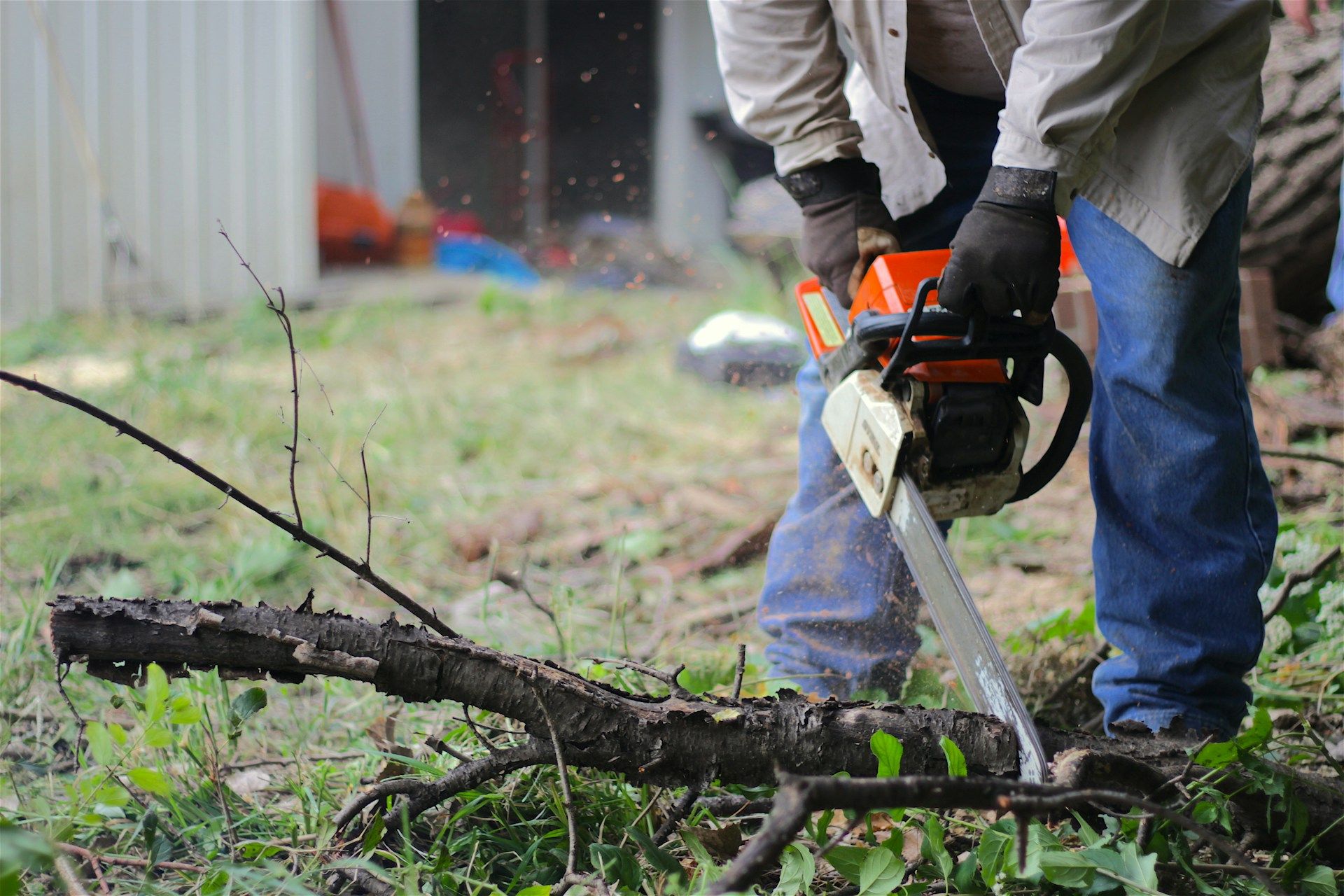
- Pruning to improve structure and reduce wind resistance
- Removing trees that are clearly hazardous and cannot be saved
- Grinding stumps so they do not become trip hazards or send up new shoots
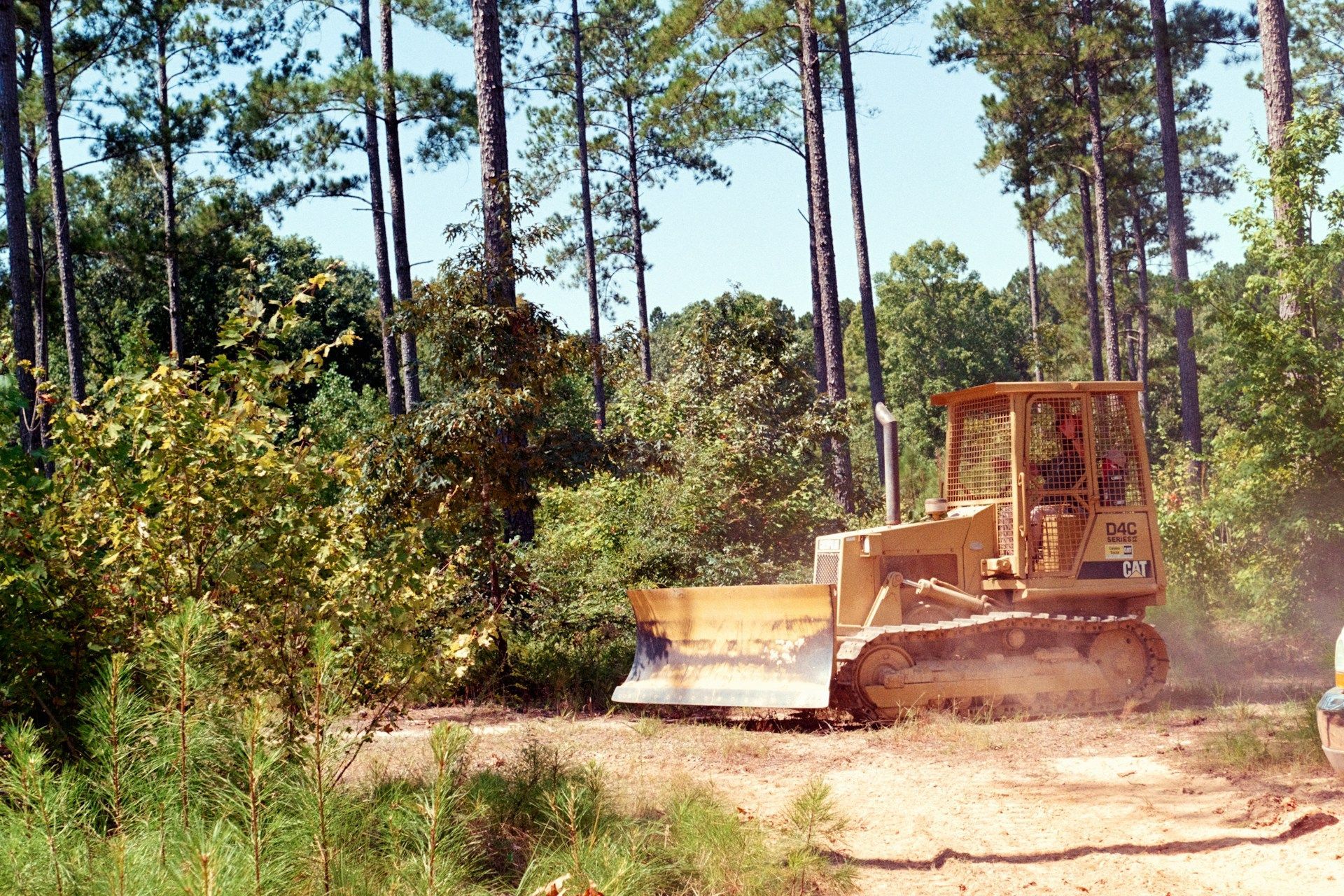
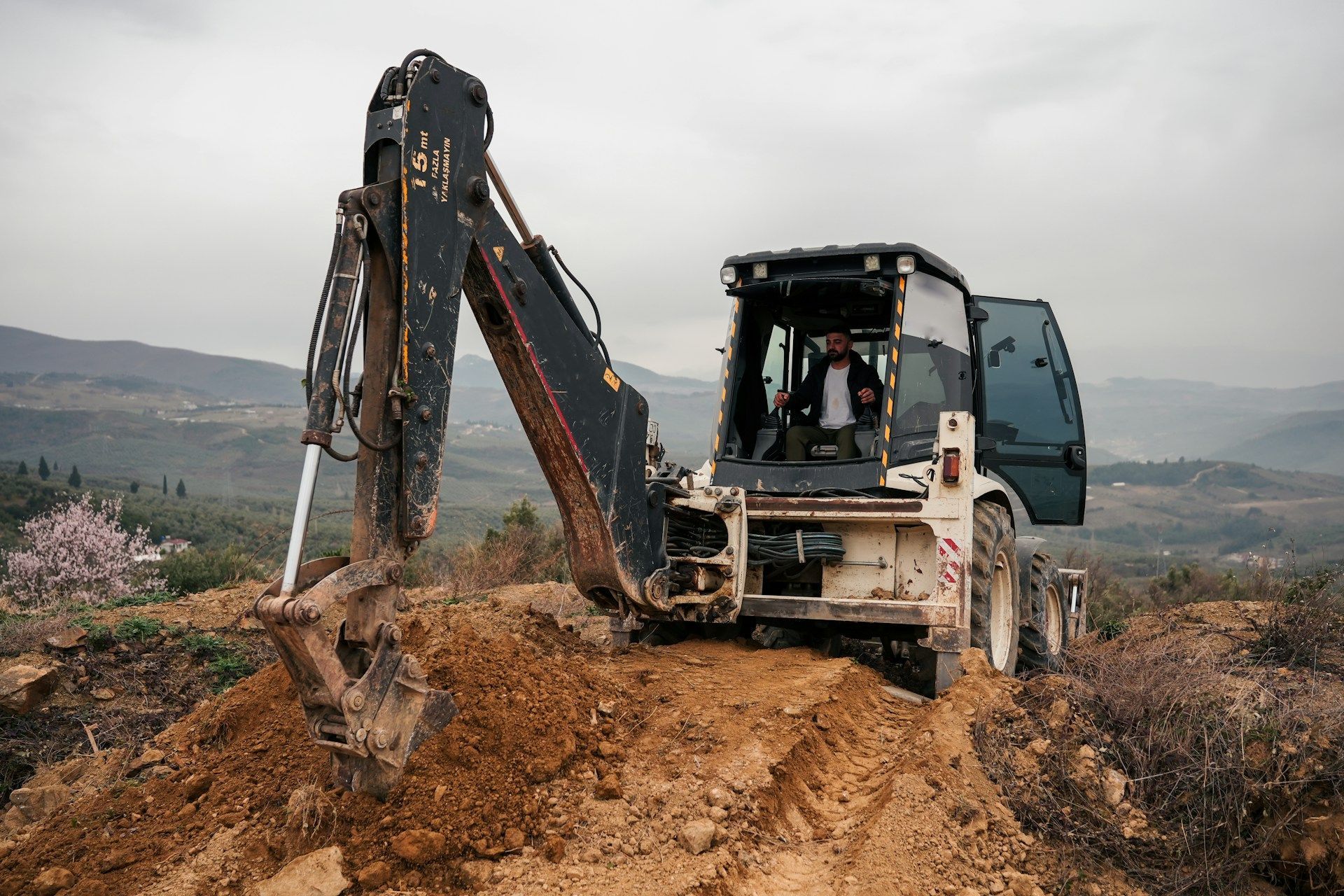
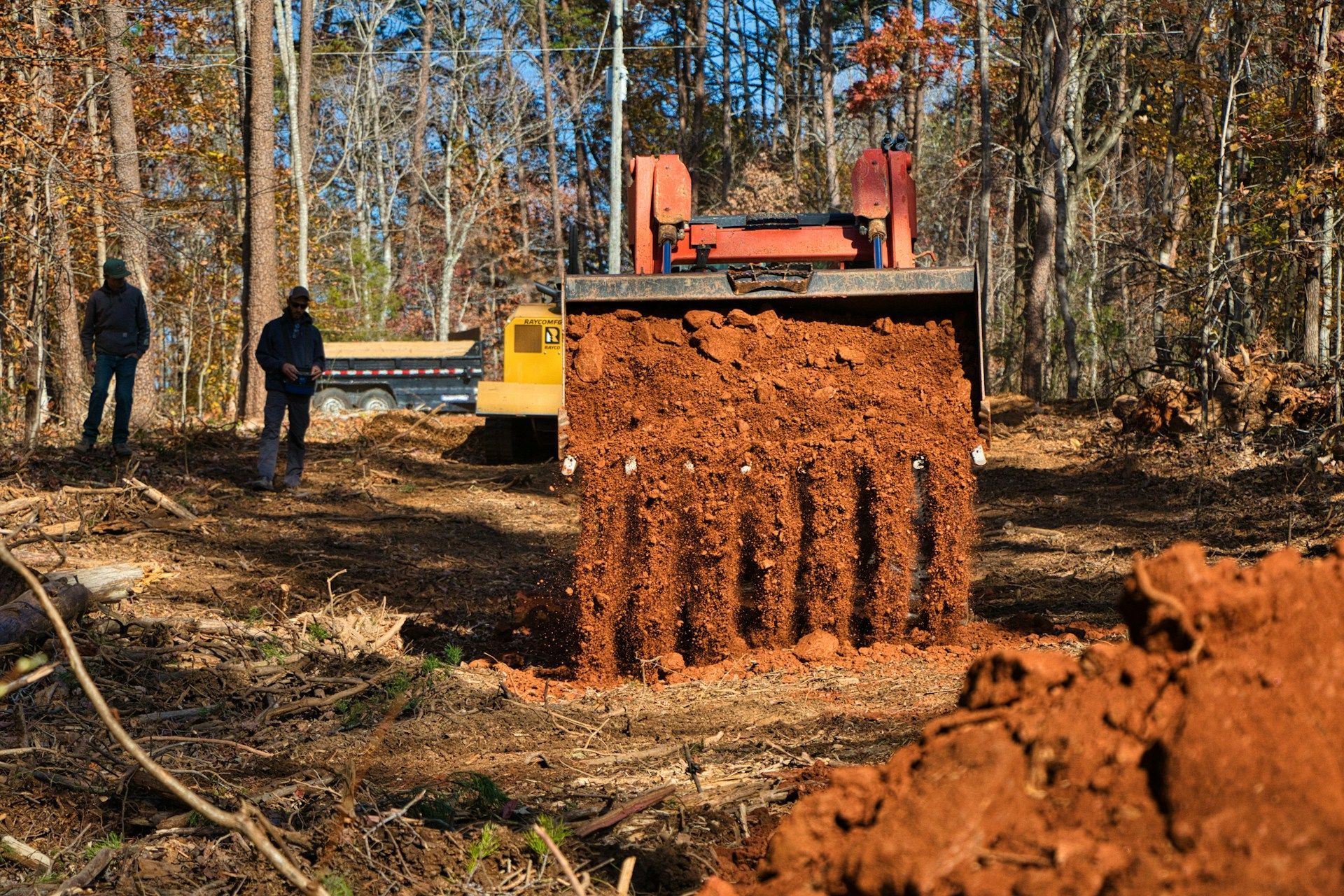
- Bobcat work and grading to smooth out problem areas and improve drainage around tree roots
If a storm has already hit, we provide emergency help any time of day or night. That can include clearing downed trees from driveways, cutting limbs off structures so repairs can begin, and making the area safer so you can move around your property again.
Because we work in the Katy and greater Houston area, we are familiar with local trees like live oaks, pines, pecans, and crape myrtles. Each type handles pruning and storm stress in its own way, so we adjust our approach for every tree.
Get Your Trees Checked Before Storm Season Peaks
The best time to think about tree pruning in Katy, TX, is before a named storm is on the news and the wind is already rising. Once a system is headed our way, there is only so much anyone can safely do.
Planning ahead gives you more options. A careful evaluation can point out trees that need pruning, trees that might need removal, and areas where better grading or clearing can help water move away from roots. Fixing those issues early is almost always easier than dealing with emergency cleanup and property repairs later.
When you partner with a local tree care team that understands our weather and our trees, you gain peace of mind. Your trees can stay healthy and beautiful, and your yard can be better prepared for whatever the Texas sky sends next.
Get Started With Your Project Today
If your trees are overdue for care, our experts at Apple Tree Service are ready to help you protect your property and improve curb appeal with professional
tree pruning in Katy, TX. We take the time to assess each tree’s health and structure so you get safe, precise work that fits your landscape goals. Reach out today to discuss your needs or request an estimate, and we will recommend the right service plan for your yard. If you have questions or want to schedule an appointment, simply
contact us.