Tree Protection Plan for New Builds in Katy, TX: Preserving Mature Oaks
Protecting Katy’s Legacy Oaks During New Construction
Saving mature oaks is one of the smartest choices you can make when you start a new build in Katy, TX. These big shade trees are already doing work for you, even before the foundation is poured. They cool your house, frame your yard, and give a new home that established, welcoming feel from day one.
Oaks are worth protecting. They add instant curb appeal, help lower energy use by shading walls and windows, and create outdoor spaces that actually feel comfortable in the sun. Many property owners also have a real emotional tie to these trees, especially the ones that have been on the land for a long time.
To keep those trees standing strong, you need a real Tree Protection Plan in place before any lot clearing in Katy, TX begins. That plan should guide how the land is cleared, how equipment moves, and how the tree is cared for afterward, so you can build what you want without quietly killing the best trees on the lot.
Planning Your Build Around Existing Oaks
The first step is not cutting, it is walking. A careful site walk with a tree care professional gives you a clear picture before anyone starts grading or trenching.
A good tree and site assessment usually includes:
- A basic tree inventory, noting size, location, and condition
- Which oaks are strong candidates to keep
- Any trees that are already weak, diseased, or unsafe
- Realistic expectations about what can be saved
Once you know which oaks you want to protect, the next step is folding them into the design instead of treating them as an afterthought. That might mean:
- Shifting the house pad a few feet to avoid the largest root zones
- Routing driveways and walkways where roots are thinner
- Placing patios and pools outside the main feeding roots
- Planning utility lines and drainage so trenches stay away from trunks
Even small layout changes early in the design stage can spare roots from being cut or crushed later.
Timing also matters. In Katy’s climate, late fall through winter is usually the easiest time on the trees for big work like heavy lot clearing and grading. Oaks are under less stress then, so they handle disturbance a bit better. We also like to plan schedules around the worst heat and storm periods so the trees are not trying to recover from root damage at the same time they are dealing with blazing sun or strong winds.
Setting Up Root-Zone Fencing and Safe Access Paths
Most of an oak’s important roots are not deep. They spread wide and shallow, reaching far beyond the drip line of the branches. A simple rule of thumb is that roots can extend at least as far as the outer edge of the canopy, and often more. That is why root damage can be more serious than a few broken limbs.
To protect those roots, we mark what is called the critical root zone, then fence it off before the first machine shows up. Good root-zone fencing:
- Uses sturdy, highly visible material, not loose flags or flimsy tape
- Sits as far from the trunk as practical, not just a tiny ring around it
- Has clear signs so crews know it is a no-go zone
- Stays in place through the full build, not just during clearing
Inside that fence, there should be no driving, parking, trenching, or material storage. Keeping heavy activity out of this area goes a long way toward keeping the tree healthy.
Of course, crews still need room to work. That is where planned access routes come in. Before construction starts, we help map:
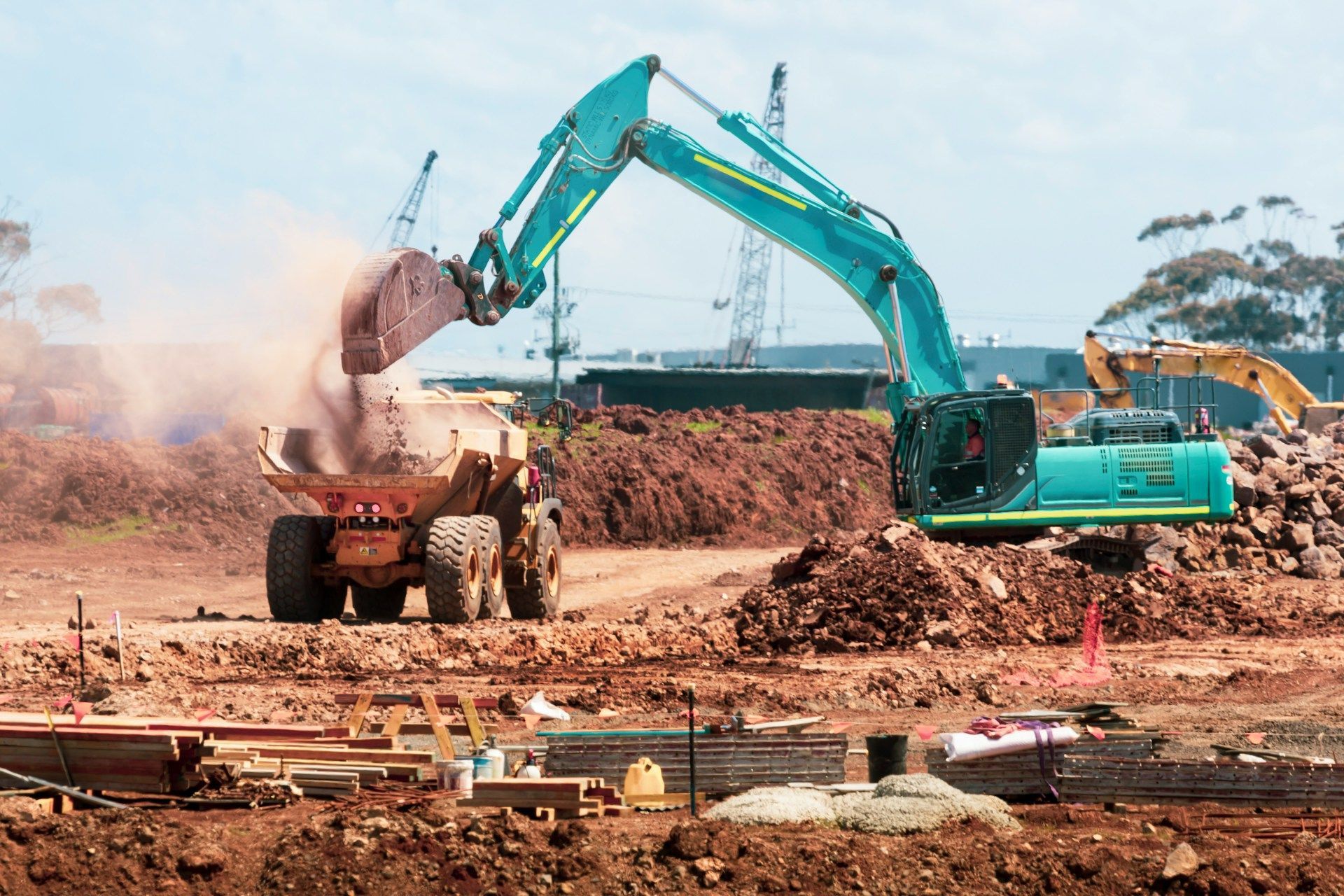
- Haul roads for trucks and loaders
- Staging and stockpile areas
- Turnaround spots for big equipment
By keeping those paths away from major oak roots, the site stays workable and the trees stay protected. When things are planned early, contractors are usually happy to follow the layout because it keeps their own work smoother and safer.
Preventing Soil Compaction, Grade Changes, and Root Damage
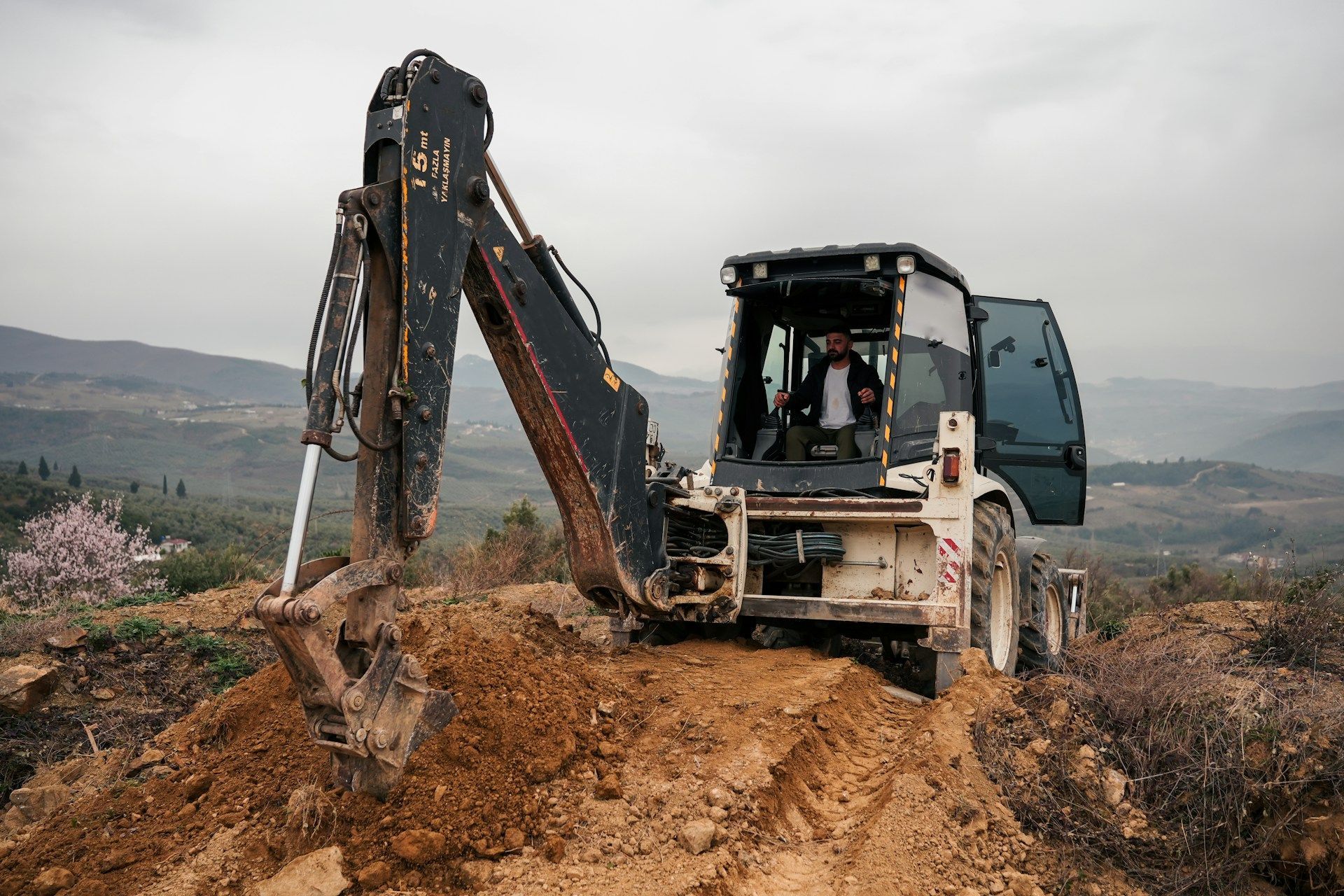
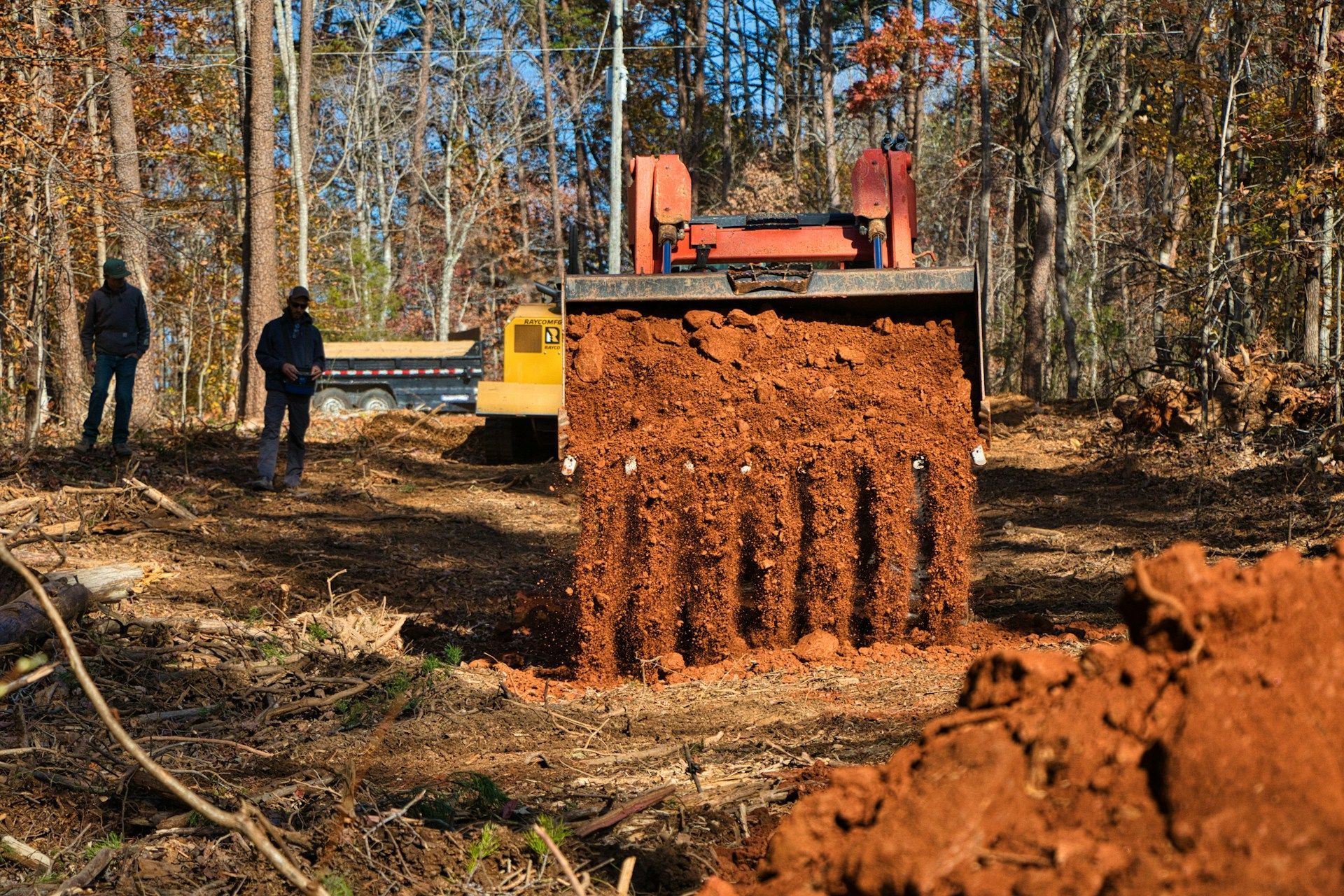
Soil compaction is a slow tree killer that often shows up years after a project is finished. When heavy equipment drives over the same path again and again, or pallets and dumpsters sit in one place for weeks, the soil gets pressed tight. Less air and water reach the roots, so the tree starts to decline over time.
On an active build site, we use simple methods to cut down that damage:
- Plywood, mats, or temporary ground protection on needed access paths
- Smaller machines when possible near protected areas
- Clear no-parking and no-storage zones around the protected trees
- Limits on how long heavy loads sit in any one spot
Grade changes are another quiet threat. Even a few inches of extra soil piled over roots can smother them, especially in our clay-heavy local soils. On the flip side, cutting soil away can expose and dry out roots that should stay covered.
Good grading and drainage planning around oaks includes:
- Keeping fill and cut depths shallow near the critical root zone
- Sloping water away from trunks so roots do not sit in standing water
- Reviewing grading plans with a tree care pro before work starts
When the tree’s needs are part of the grading talk from the start, it is much easier to protect both the roots and the new structures.
Post-Clearing Tree Health Checks and Long-Term Care
Once lot clearing in Katy, TX, and rough grading are done, the job is only halfway finished for your trees. This is the time for a detailed health check so small problems do not turn into big ones.
A post-clearing inspection usually looks for:
- Exposed or cut roots in or near the protection zone
- Bark wounds from equipment or debris
- Broken or hanging branches in the canopy
- Early signs of stress, like wilting or leaf drop, especially in summer heat
If we find issues, we can build a recovery plan. That often includes:
- Deep, slow watering on a set schedule, not quick, shallow sprinkling
- A wide ring of mulch, but not piled against the trunk
- Careful, selective pruning to clean up damage and balance the canopy
- Soil aeration or targeted nutrients to help roots breathe and rebuild
The first three to five years after construction are the danger zone. Trees can look fine right after the build, then slowly decline later. Regular checkups, especially before and after major storm periods, help catch pests, decay, or structural problems while they are still easier to handle.
Secure Your Oaks Before the First Machine Arrives
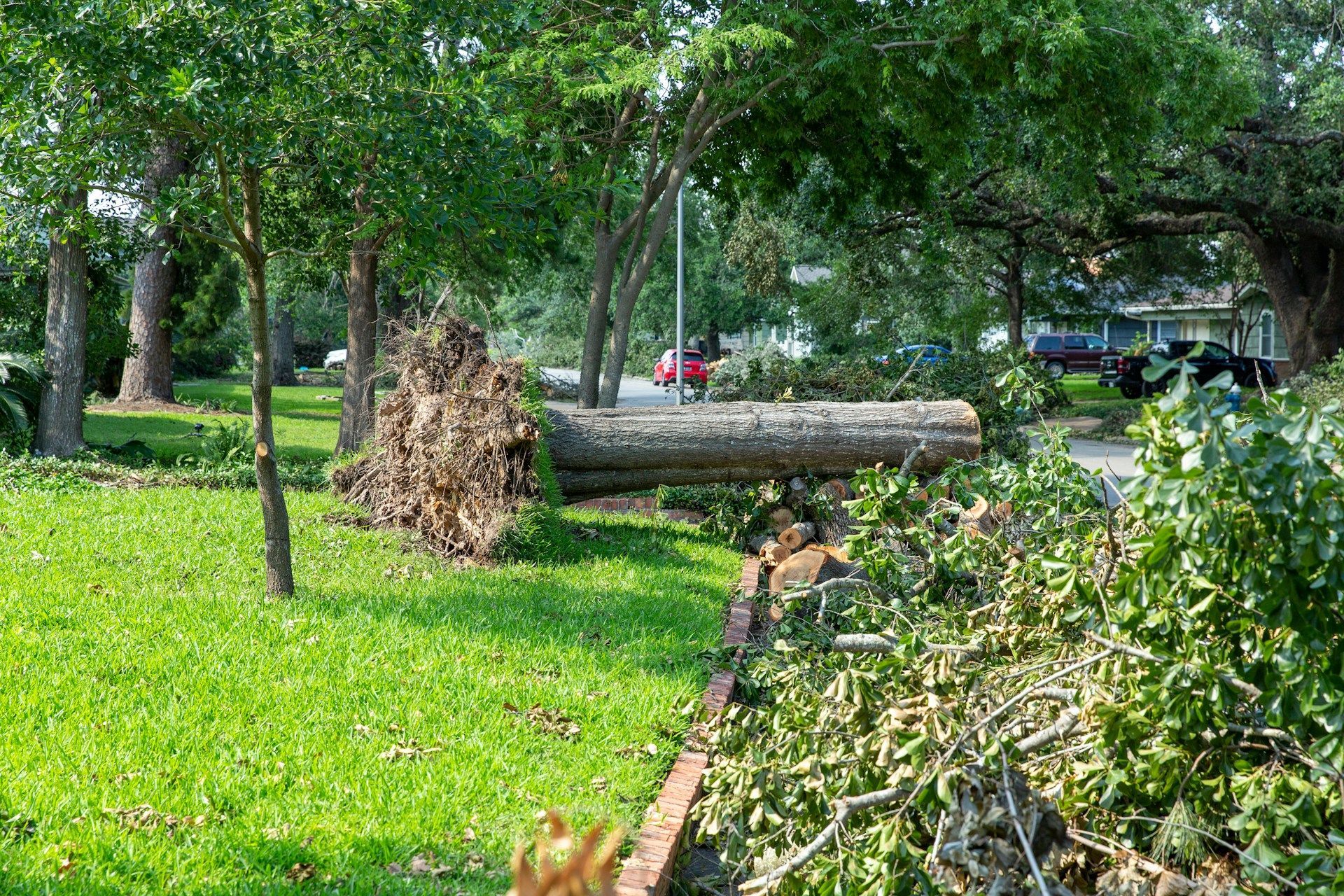
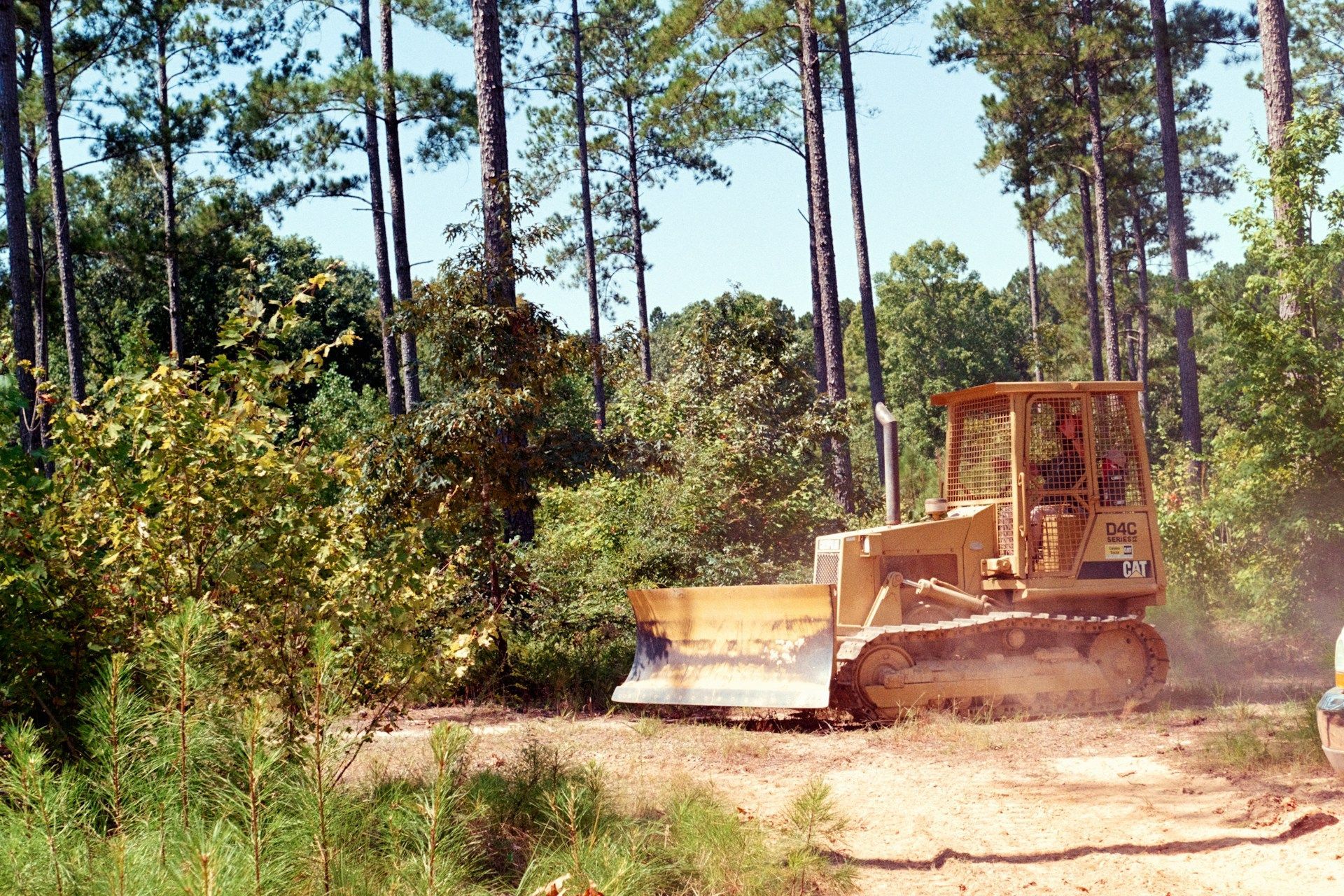
Once dozers and excavators start rolling, a lot of tree damage cannot be undone. The best time to protect your mature oaks is at the very beginning, when plans are still flexible and roots are still safe in the ground.
We care about helping property owners in Katy and the greater Houston area keep their shade trees strong while still making room for new homes, shops, and additions. With a clear Tree Protection Plan that covers root-zone fencing, safe access routes, compaction control, and follow-up health checks, you can finish your build and still enjoy the same big, healthy oaks that made you love the lot in the first place.
Get Started With Your Project Today
If you are ready to clear your land safely and efficiently, our team is here to help you plan every step. Explore our
lot clearing in Katy, TX to see how Apple Tree Service can prepare your property for building, landscaping, or resale. We will walk your site with you, answer questions, and provide a clear, written estimate before any work begins. Have specific deadlines or project requirements in mind? Just
contact us and we will help you schedule a time that works for you.