Katy Tree Hazard Checklist: Signs of a High-Risk Tree
Protect Your Katy Home Before the Next Big Storm
High winds, heavy rain, and sudden storms are part of life in Katy and the greater Houston area. Strong trees can handle a lot, but weak or damaged trees can turn into dangerous hazards fast. A single failing tree can damage your roof, smash a fence, or block your driveway when you need to leave in a hurry.
The good news is that most high-risk trees do not fail out of nowhere. They usually show warning signs weeks or even months before they come down. When we know what to look for, we can catch many of these problems early and lower the chance of emergency tree cutting in Katy right in the middle of a storm.
In this guide, we will walk through a simple checklist you can use around your yard. It will help you spot leaning trees, root heaving, trunk cavities, dead canopy, and pest damage, and it will help you decide when it is time to call in professional help for a closer look.
First Walk-Through Safety Check Around the Yard
Start with a slow, careful walk around your property. Safety comes first. If a tree already looks scary, keep your distance. Do not stand directly under a tree that worries you, and do not walk under broken or hanging branches.
As you move around, look at your trees from different spots. Morning and late afternoon light can make problems easier to see than bright midday sun. Take your time and notice which trees catch your eye right away.
From a safe distance, watch for obvious red flags like:
- Trees leaning hard to one side, especially toward a house or driveway
- Large broken branches hanging up in the canopy
- Trees touching or tangled in power lines
- Trees that seem to have shifted after a recent storm or long stretch of rain
It also helps to compare each suspect tree to other healthy trees in your yard. Ask yourself:
- Does the foliage look thinner than your other trees?
- Does the tree stand straighter or more crooked than it used to?
- Does the canopy look lopsided or bare on one side?
This quick walk-through gives you a shortlist of trees that may need a closer look.
Leaning Trunks and Root Heaving You Should Never Ignore
Not every leaning tree is a problem. Some trees grow with a lean from a young age as they reach for sunlight. These trees often have a stable base, firm soil, and a canopy that looks balanced over the trunk.
A dangerous lean usually has a different story. Warning signs include:
- The lean is new or suddenly worse after a storm or heavy rain
- The ground around the base looks cracked, raised, or uneven
- The canopy is heavy on the side where the tree is leaning
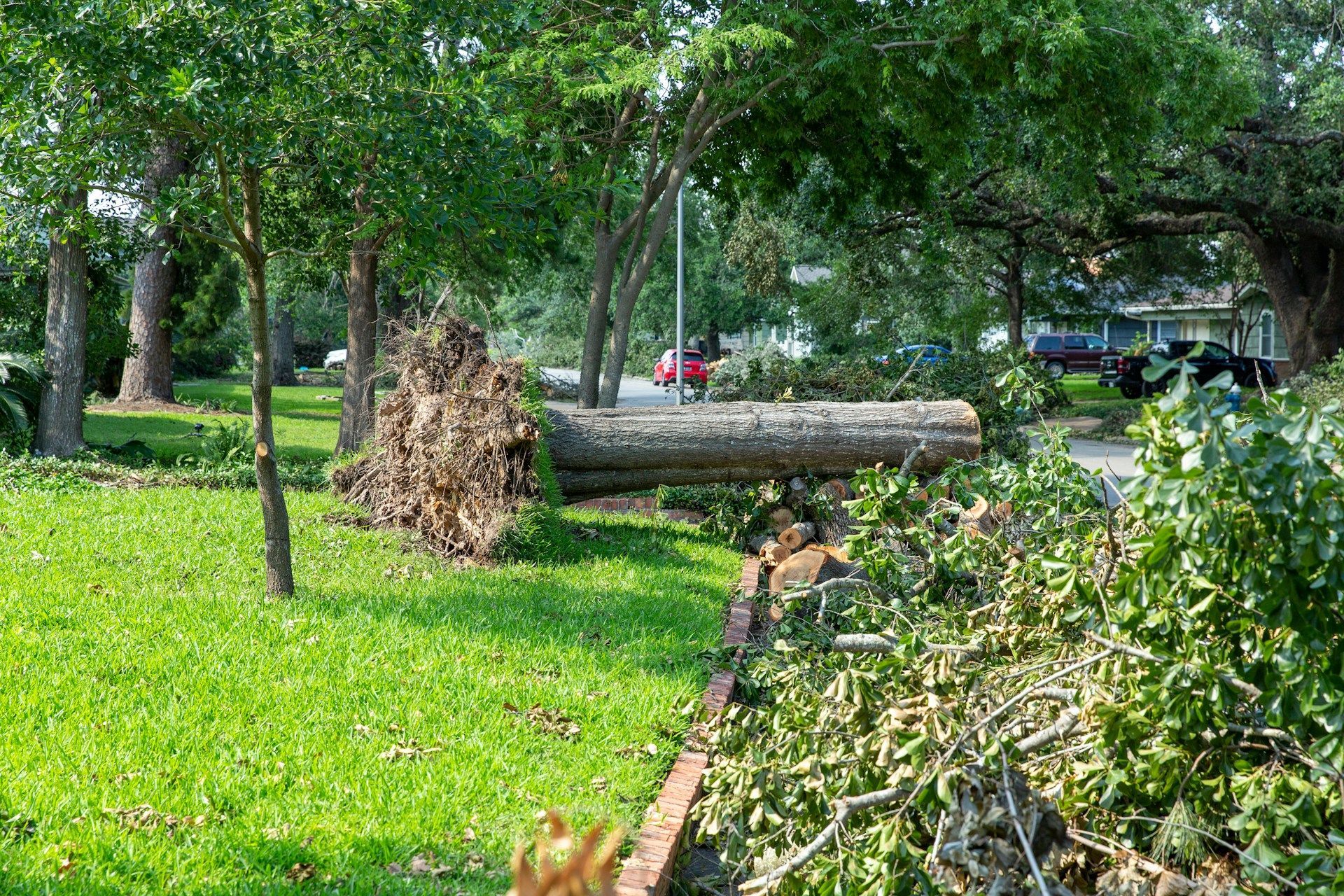
Root heaving is another big warning. This is what we call it when the whole root plate starts to lift or shift. Look near the base of the tree for:
- Raised soil or a mound forming on one side of the trunk
- Exposed roots that were not visible before
- Gaps between the soil and roots, as if the tree is pulling out of the ground
- Nearby sidewalks, patios, or driveways that are lifting or cracking around the tree
These signs can mean the roots are letting go of the soil. When that happens, strong wind can push the tree over much more easily. Trees with a sudden lean or clear root movement should be checked by a professional quickly, since they may need fast removal or emergency tree cutting in Katy to protect people, homes, and cars.
Trunk Cavities, Cracks, and Decay Hiding in Plain Sight
After you check the base and lean, look up and down the trunk from the ground. You do not need to touch the tree if it feels unsafe; just look carefully.
Scan the trunk from the base to where the main branches begin. Signs to watch for include:
- Large open cavities or holes
- Deep vertical cracks that run up or down the trunk
- Long strips of missing bark that do not seem to be healing
- Areas that look sunken, rotten, or darker than the rest of the bark
If you can safely and gently tap the trunk with something like a small stick, listen to the sound. Solid wood usually sounds firm. Hollow or decayed wood can sound dull or empty. Do not hit the tree hard or climb it. It is just a light sound check if you can do it from the ground.
Other warning signs of decay and disease include:
- Fungal growth, like conks or mushrooms, around the base or on the trunk
- Oozing sap or wet, sticky spots on the bark
- Soft, crumbly, or spongy wood around old wounds or cuts
Trunk damage becomes high risk when:
- A cavity is large compared to the thickness of the trunk
- A crack runs through a main branch union or straight up the main trunk
- Rot or a big wound is on the side facing your house, driveway, or a common walkway
These problems can weaken the tree’s structure and make it much more likely to fail in a strong Gulf Coast storm.
Dead Canopy, Pest Damage, and Texas-Specific Tree Stress
Next, focus on the canopy, the leafy part of the tree that catches your eye first. A healthy canopy should look full and even for that type of tree, especially in the middle of summer.
Signs of trouble in the canopy include:
- Large sections of bare branches with no leaves
- Dead limbs that stay bare while the rest of the tree has foliage
- Foliage that is thin at the tips instead of full and leafy
- Leaves that are much smaller than normal, yellowing, browning, or dropping early
Here in the Katy and greater Houston area, heat, humidity, and long growing seasons also invite plenty of insects and diseases. When you are checking your trees, watch for:
- Small round or oval exit holes in the bark from boring insects
- Sawdust-like material, called frass, around the base or on lower branches
- Tunnels or galleries under loosened bark
- Webbing, clusters of caterpillars, or chewed leaves
- Bark peeling away in sheets or falling off in big pieces
- Leaf spots, blotches, or strange discoloration
Canopy decline and pest damage do not just affect how the tree looks. Dead or weakened limbs are much more likely to snap and fall in high winds. During storm season, that can mean broken branches on your roof, in your pool, or across a driveway when you need to get out. When you see both canopy decline and trunk or root problems together, that tree is higher risk and should be checked sooner rather than later.
When to Call the Pros and How Apple Tree Service Helps
After walking your yard with this checklist, you may have a better idea of which trees feel safe and which ones keep you on edge. A simple rule helps: if a tree is close to a house, driveway, fence, pool, neighbor’s property, or a place where people spend time, and it shows any mix of leaning, root heaving, trunk decay, or heavy deadwood, it is time for a professional inspection.
Tree work at height or around damaged wood is not safe as a DIY project. A trained tree care team has the tools and experience to handle:
- Close-up inspections from the ground and from the canopy
- Checks for internal decay and hidden structural problems
- Careful pruning of dangerous limbs without causing more damage
- Safe rigging, cutting, and lowering of heavy branches or whole trees
- Stump grinding, debris hauling, and storm damage cleanup
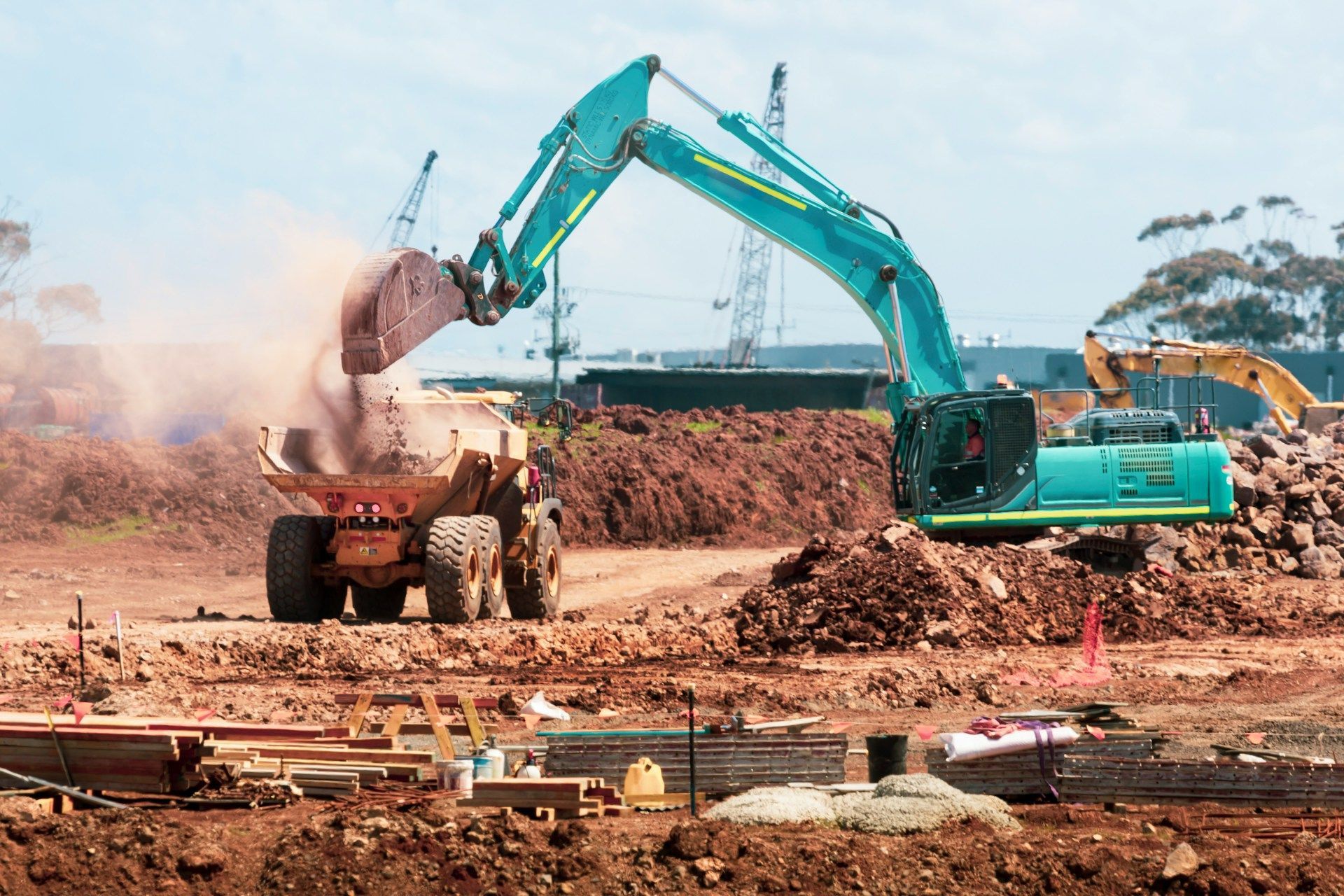
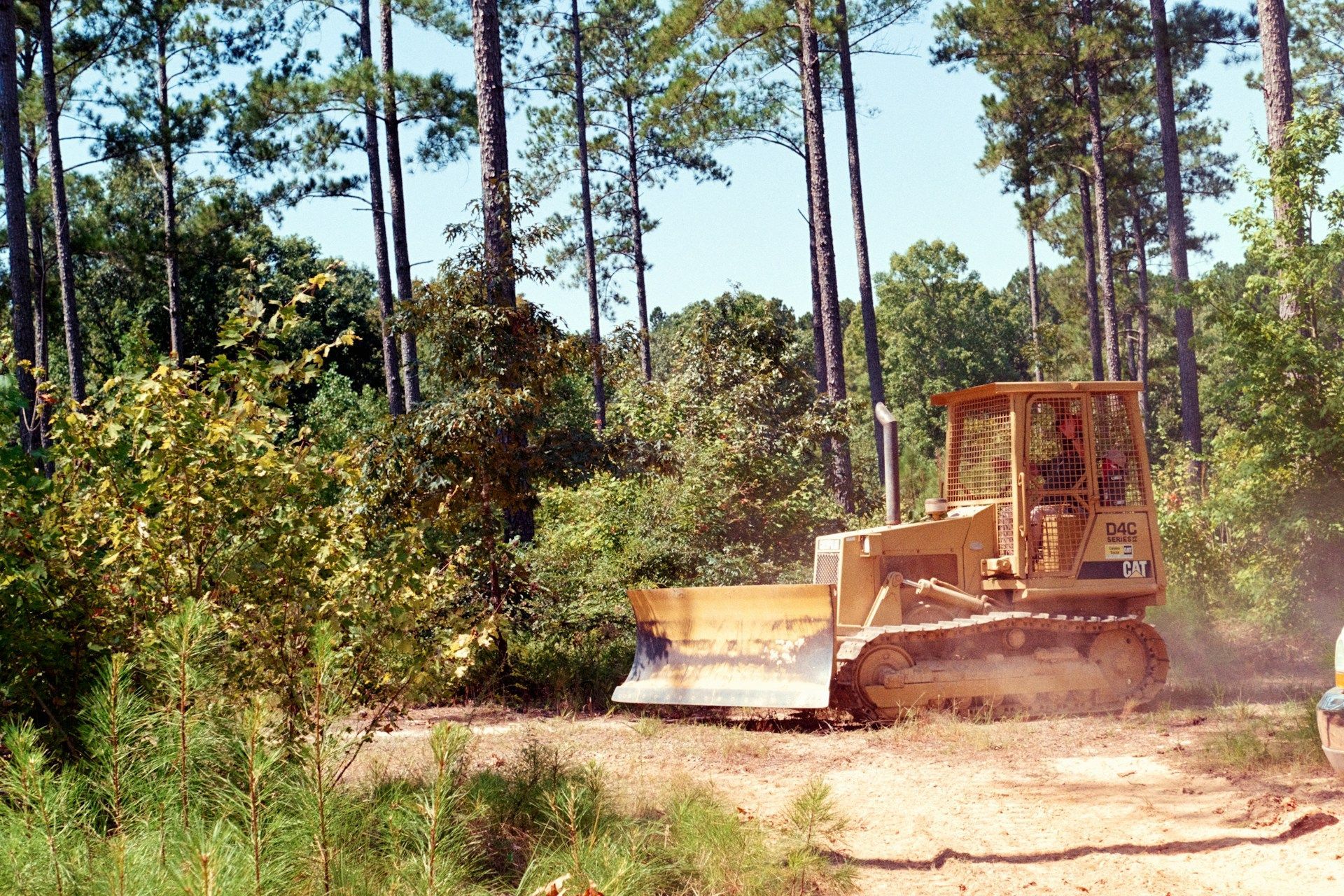
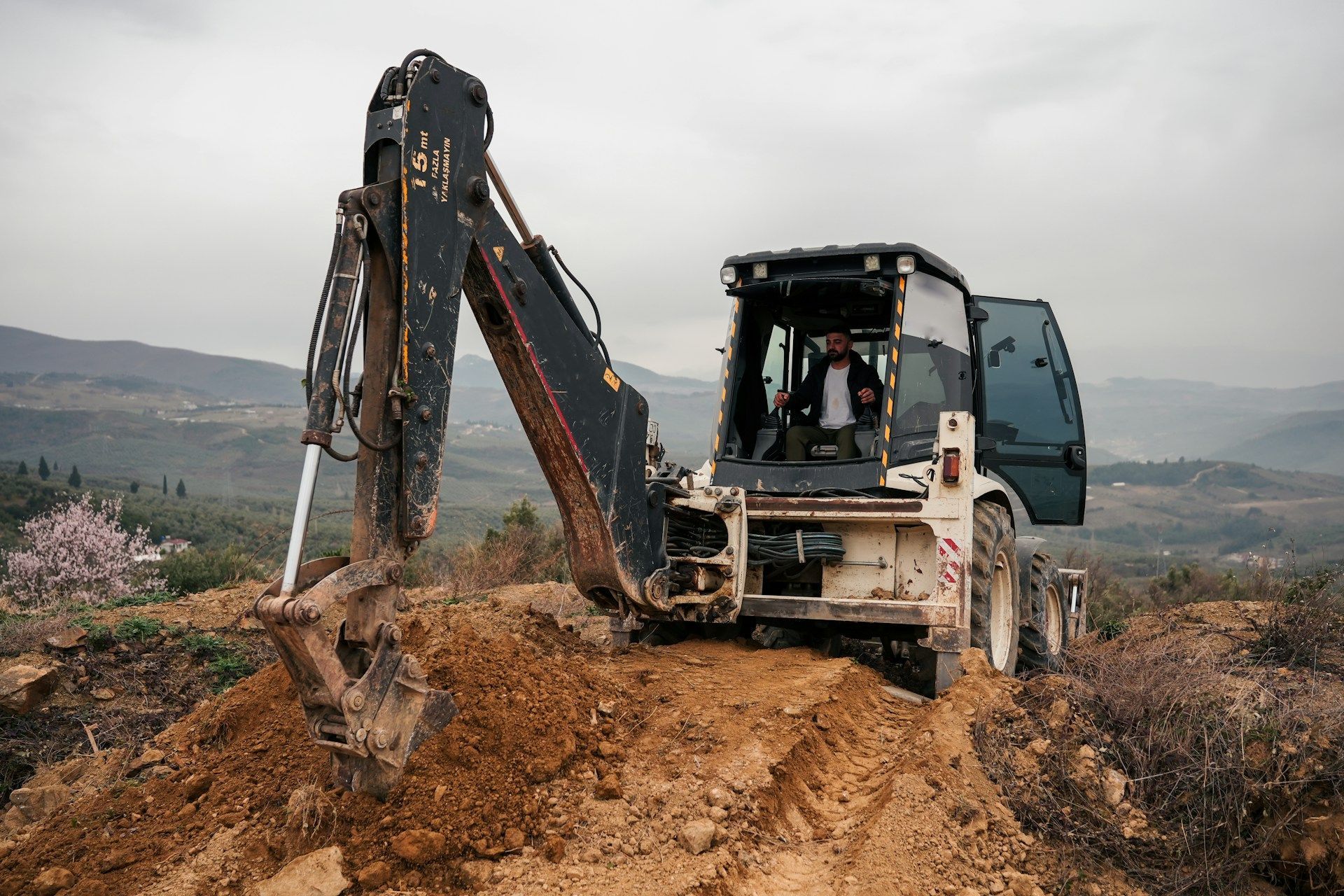
Here in the Katy area, Apple Tree Service provides tree care, removal, stump grinding, land clearing, and emergency storm response for homes and businesses. When storms roll through and you face broken limbs, uprooted trees, or blocked driveways, it helps to already know who you trust for emergency tree cutting in Katy so you can act fast and keep your property and family as safe as possible.
Protect Your Property With Fast, Professional Tree Help
If a storm or sudden damage has you worried about a hazardous tree, we can respond quickly and safely. Learn more about our full range of services, including
emergency tree cutting in Katy, handled by the experienced team at Apple Tree Service. If you need immediate assistance or want to schedule a visit, simply
contact us and we will help you take care of the problem before it gets worse.