Recognizing Hidden Tree Root Damage Before Emergency Removal
Catch Problems Early Before Trees Become Emergencies
Tree roots are the hidden lifeline of every tree in your yard. They hold the tree in place, drink up water, and store energy so the canopy can stay green and full. The tricky part is that roots sit underground, so when they are hurt, you usually cannot see the damage until the tree becomes unsafe.
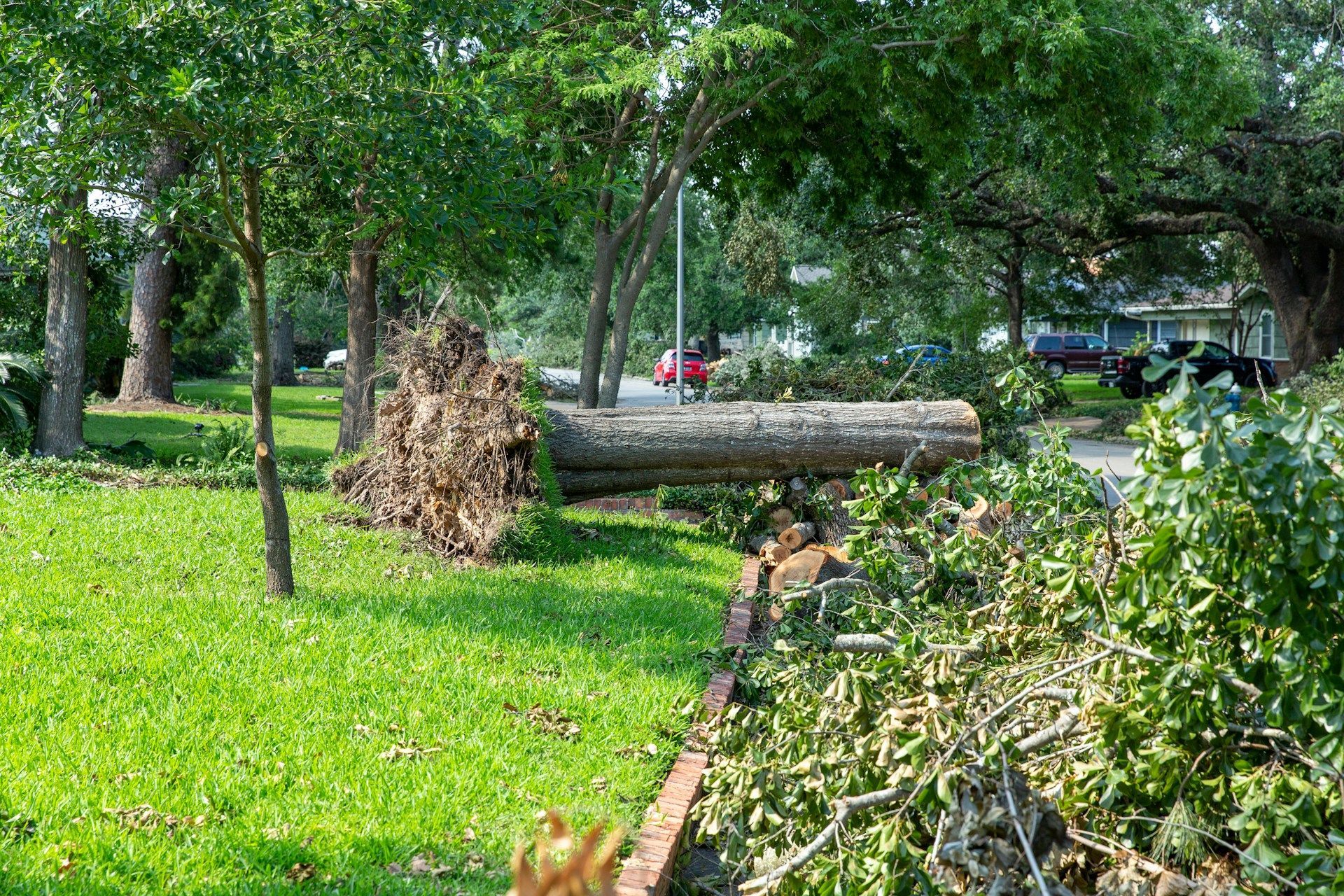
In the Katy and greater Houston area, that hidden damage can turn into a sudden problem. Strong summer storms can push over a weakened tree with very little warning. That can lead to roof and fence damage, blocked driveways, risks to power lines, and real safety concerns for kids and pets who spend time outside.
By learning a few early warning signs, you can catch many root problems before they turn into emergencies. That can help you avoid last-minute emergency tree removal in Katy, TX, and keep your yard looking good and safe for the long term.
Why Hidden Root Damage Is So Dangerous
Healthy roots act like both the anchor and the straw for your tree. In our clay-heavy soils, strong roots grab onto the ground so the tree can stand firm when summer winds pick up. Roots also pull in water and nutrients so the tree can handle long stretches of sun and heat.
When roots get damaged, the tree loses both strength and health at the same time. Common causes around Houston include:
- Construction or foundation work close to the trunk
- New pools, patios, or driveways cut into root zones
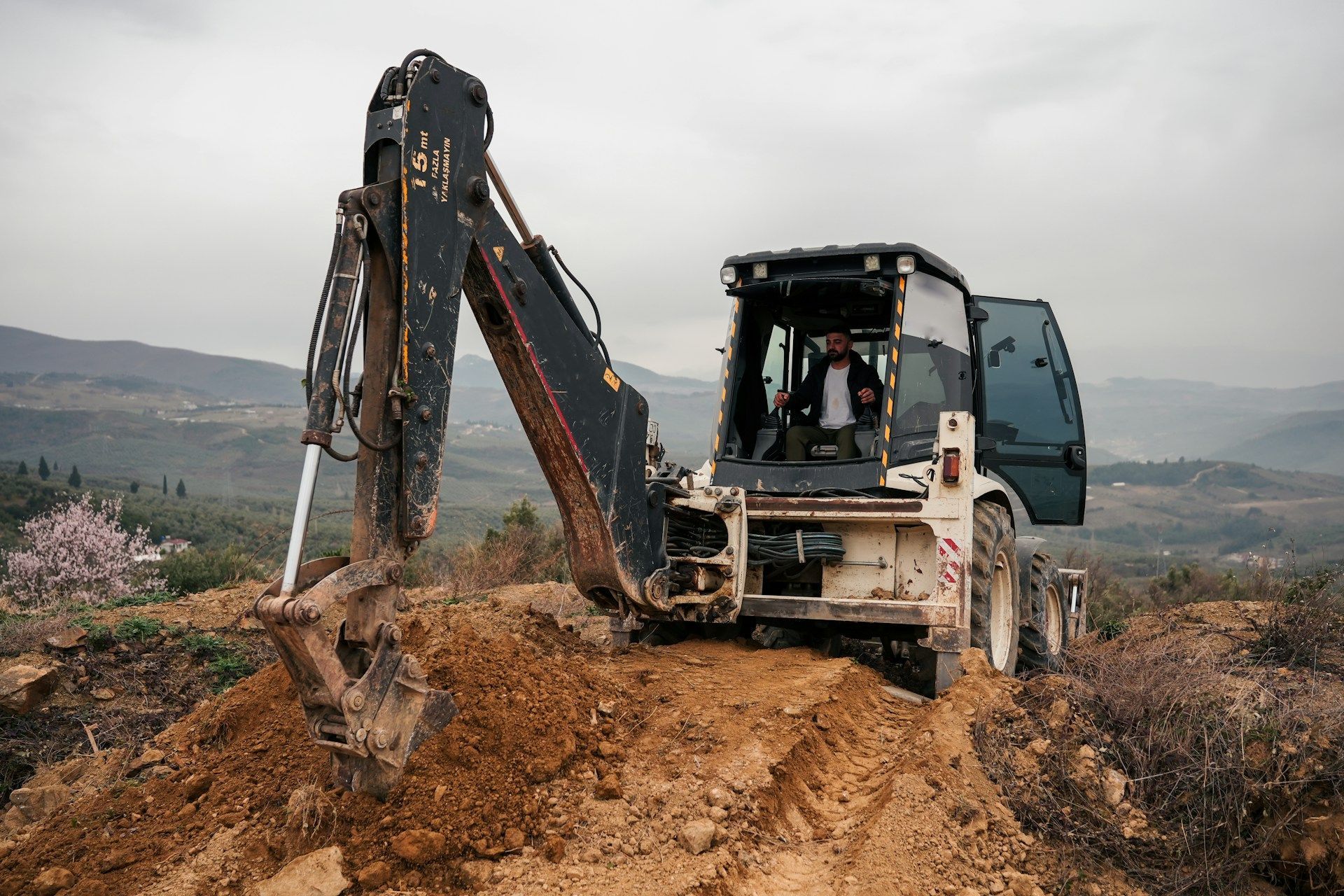
- Trenches for sprinkler lines or other utilities
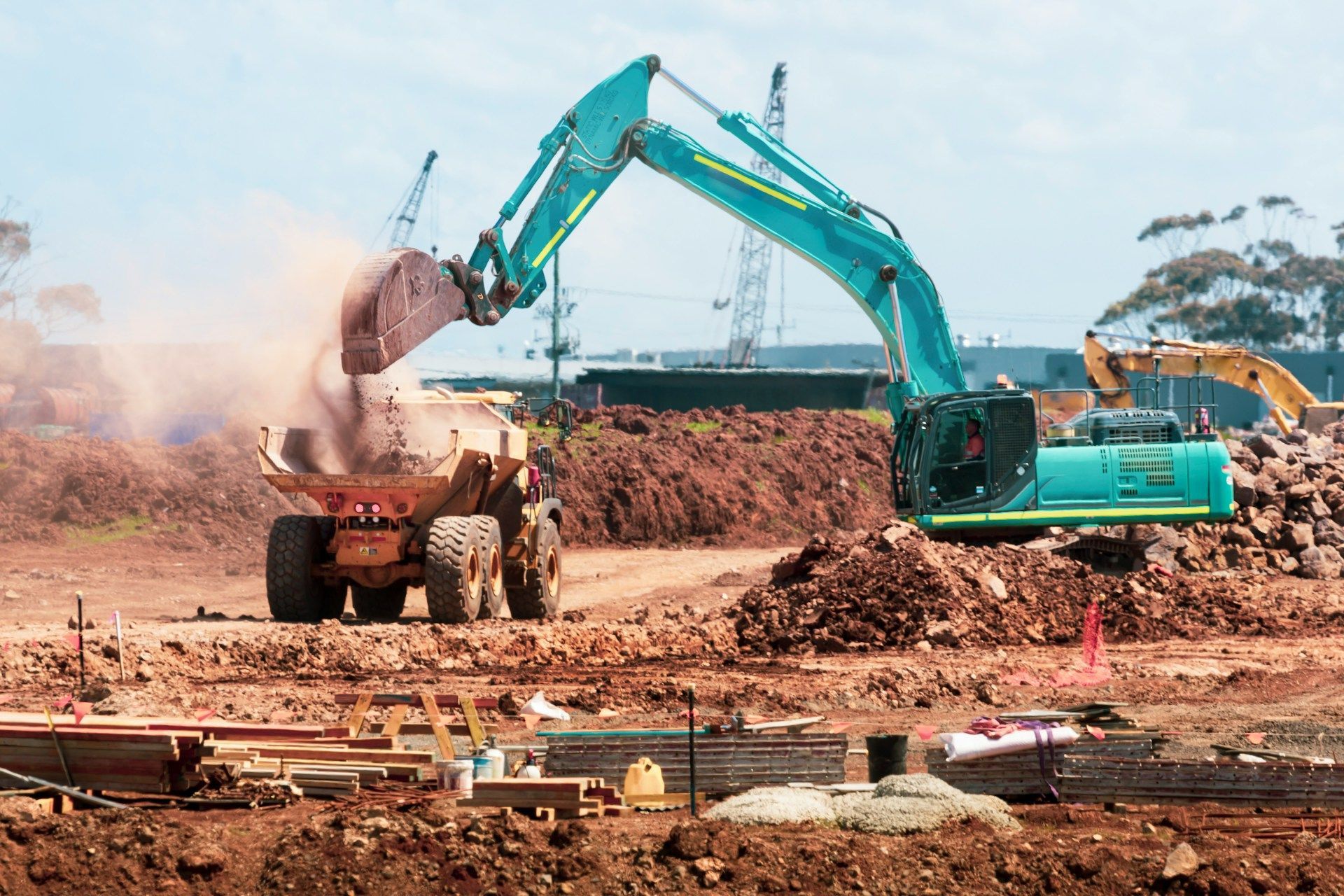
- Heavy equipment or large trucks parked on the lawn
- Soil packed down by repeated driving or parking
- Ground staying soaked after strong Gulf storms
The tricky part is the lag time. A tree might look mostly fine above ground even though many roots have been injured. Leaves can still grow for a while using stored energy. Then a big storm hits, the ground loosens, and the tree tips or snaps suddenly. That surprise is why hidden root damage is so dangerous for homeowners.
Subtle Signs Your Tree Roots Are in Trouble
Root damage usually shows up first in small, easy-to-miss ways. Paying attention to these signs can make a big difference.
In the crown and canopy, watch for:
- Thinning leaves at the top of the tree
- Smaller than normal leaves or yellowing that is not from seasonal change
- Dead or bare branches on one side more than the other
- Leaves dropping early in the late summer heat while other trees still look full
Around the trunk and root flare, look for changes where the trunk meets the soil. Warning signs include:
- A new lean that was not there before
- Cracks or gaps opening at the base of the trunk
- Mushrooms or other fungal growth around the roots
- Soil that looks heaved up on one side of the tree
- Big roots suddenly sticking up above ground that were not visible before
Your yard itself can also give you clues. Pay attention to:
- Areas near the tree that stay soggy long after the rest of the yard dries
- Ground that feels uneven or squishy underfoot
- Sidewalks or driveways starting to lift or crack near the tree
- Small sinkhole-like dips close to the trunk
Any one sign might not mean an emergency, but a mix of these changes is a strong hint that roots need a closer look.
How Houston Weather Makes Root Damage Worse
Our weather in Katy is tough on trees, especially in midsummer. Long, hot days put a lot of stress on root systems. When a tree is squeezed into a small patch of soil by driveways, streets, or patio slabs, roots have less cool, moist ground to work with. Concrete and rock reflect heat back toward the tree and dry the soil faster.
Then the storms arrive. Sudden downpours, strong thunderstorms, and tropical systems can soak the ground in a short time. When soil stays waterlogged, roots lose some of their grip. If roots were already damaged, they may not be able to hold the tree upright.
This timing matters. By mid- to late-summer, trees have already been through months of heat. Soils are stressed, and hurricane season is ramping up. That makes this a smart time to check root health so you are not surprised by a falling tree during the next big storm.
When Root Damage Becomes an Emergency Risk
Some warning signs move your tree from "keep an eye on it" to "this may be urgent." Sudden changes are especially important. Red flags include:
- A tree that starts leaning more, or leans after a storm
- Roots lifting or cracking sidewalks, driveways, or patios
- New cracks in nearby walls or foundations that line up with the tree
- Soil lifting on the opposite side of the lean, like the tree is starting to pull out of the ground
Location makes a big difference in how serious the risk is. Trees with possible root damage are more concerning when they are close to:
- Homes or garages
- Play areas, patios, or outdoor seating
- Driveways, streets, or parking areas
- Fences, sheds, or other structures
- Power lines or service drops
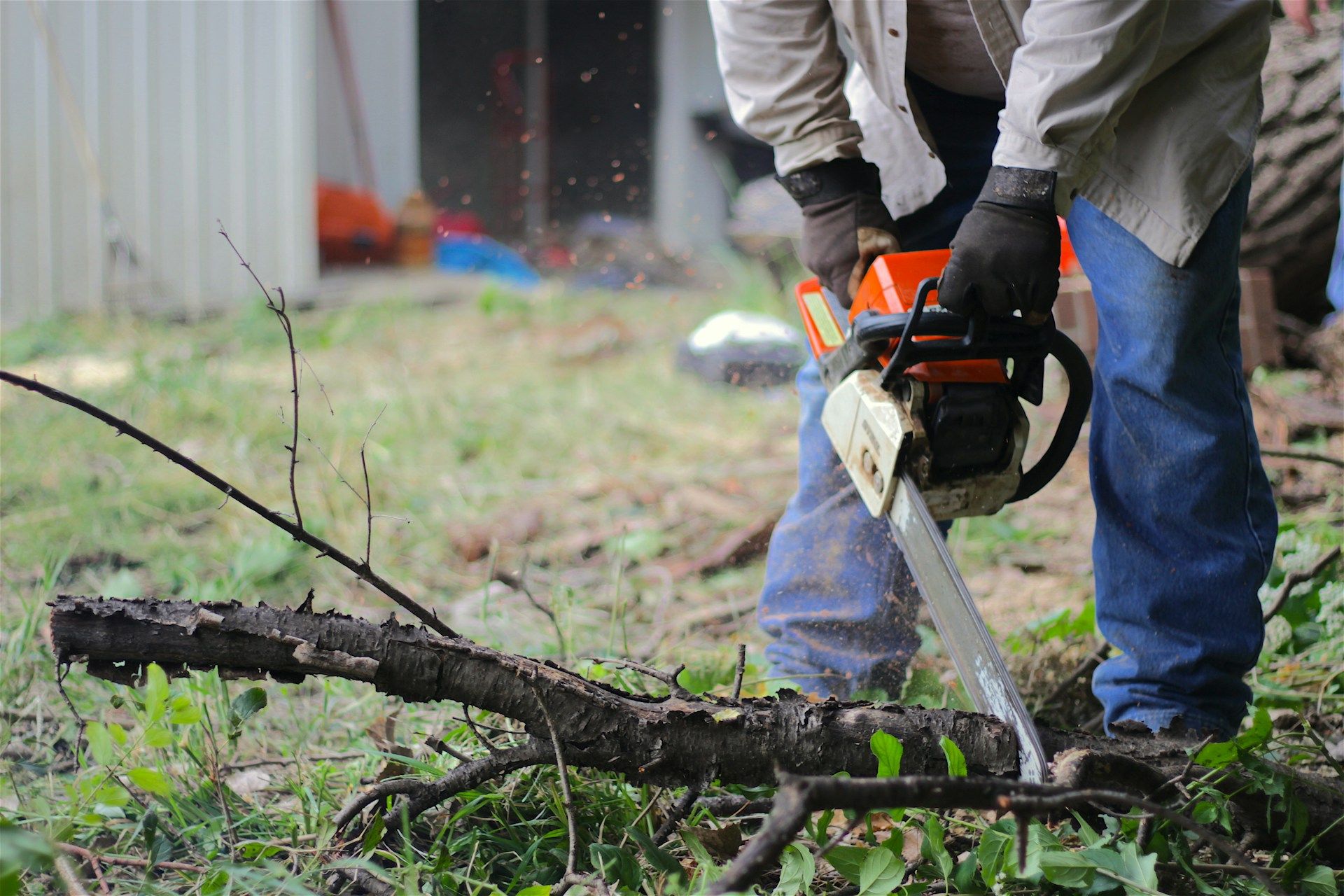
When you suspect root damage, this is not the time for DIY guessing or cutting. Trees with weak roots can behave in surprising ways. They may shift suddenly when cut or when weight changes, and wood under strain can kick back or split without warning. A trained tree crew has the skills and equipment to handle that risk safely.
Professional Root Assessments and Safe Removal Options
A professional tree inspection for root problems starts at ground level. A tree expert will usually:
- Study the root flare where trunk and roots meet
- Look for cracks, cavities, fungus, and insect activity
- Check the canopy pattern for thin or dying sections
- Probe the soil around the base to feel for soft, decayed areas
- Ask about recent construction, drainage changes, or storm damage
If damage is found early, there may be ways to help the tree and lower the chance of needing emergency tree removal in Katy, TX later. Depending on the situation, a professional may suggest:
- Targeted pruning to reduce weight and wind resistance
- Soil aeration or decompaction to let roots breathe again
- Adjusted watering and better mulch coverage to protect roots
- Support systems like cabling and bracing when they make sense
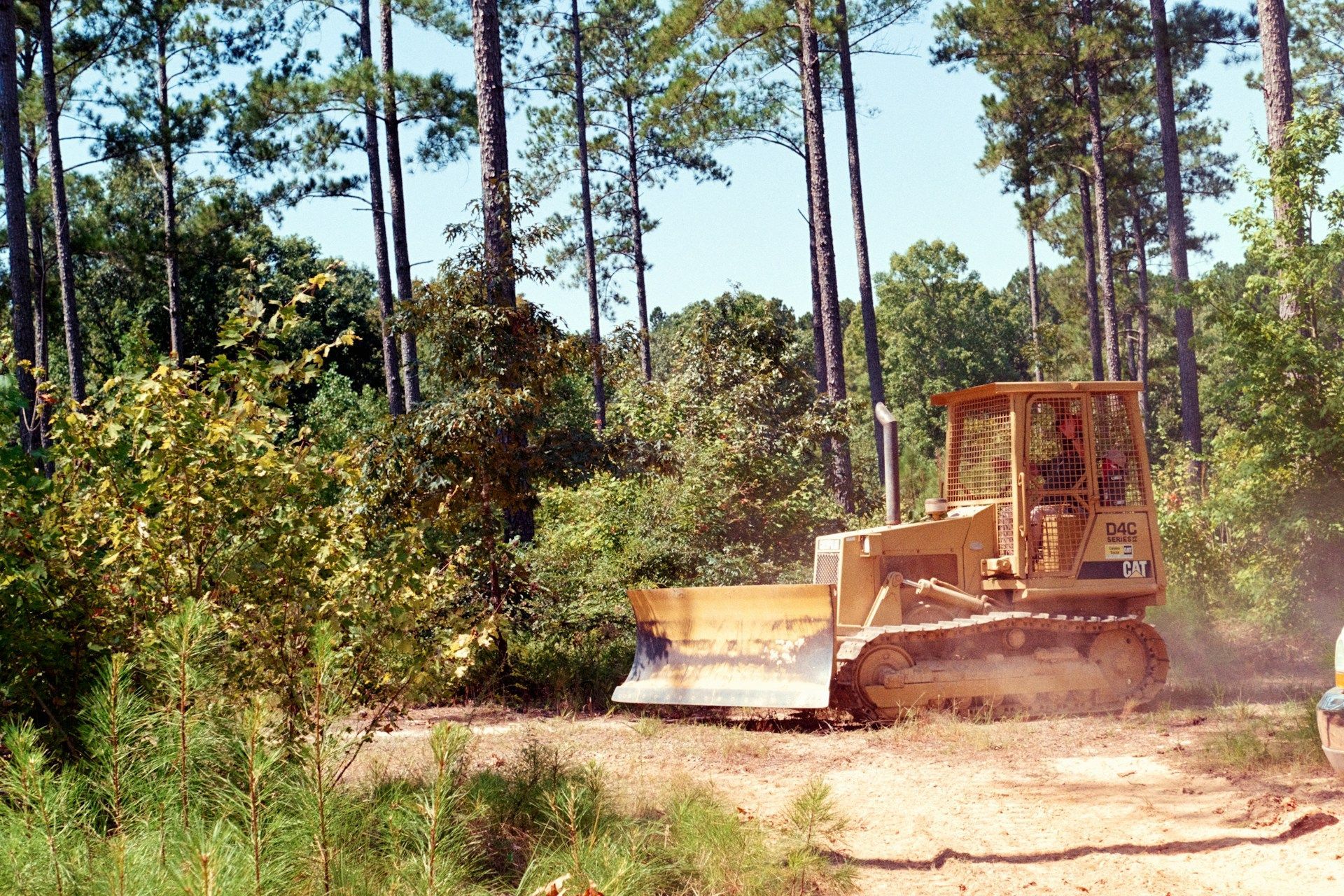
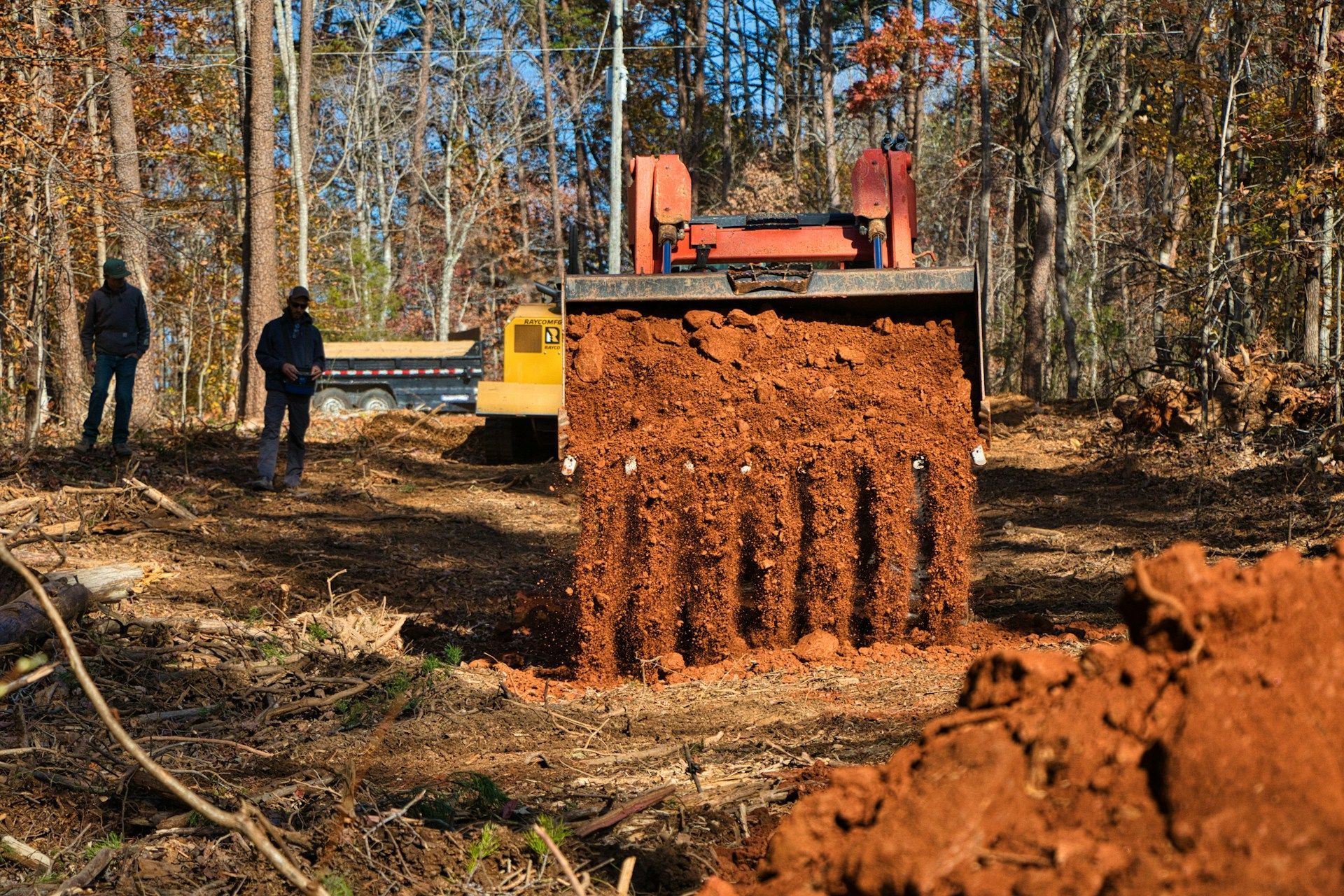
Sometimes, the safest option is to remove the tree before it fails. When that happens, a professional crew will bring the right equipment, plan how to lower branches safely away from roofs and lines, and control each cut. Branches and wood are taken down in steps, not all at once, to protect people and property. After removal, debris is cleared so the space is ready for new planting when you are.
Protect Your Property with a Mid-Summer Tree Checkup
Mid-summer is a smart time for homeowners in Katy and the greater Houston area to give their trees a careful look. Before late summer storms arrive, a simple walk around your yard can reveal changes you might have missed during busy days.
A helpful plan is:
- Walk around each tree and look at the canopy, trunk, and base
- Note any new lean, cracks, soil changes, or mushrooms
- Pay attention to wet spots, lifted concrete, or uneven ground
- Take clear photos of anything that looks different or worrying
By catching root problems early, you can often prevent avoidable emergencies, lower the risk of storm damage, and keep the healthy trees that shade your home. Strong roots mean safer trees, cooler yards, and a more comfortable outdoor space for your family for years to come.
Protect Your Property With Fast, Professional Tree Service Today
When a storm or sudden tree failure puts your home at risk, we are ready to respond quickly and safely. Explore our
emergency tree removal in Katy, TX options to get expert help before the damage gets worse. At Apple Tree Service, we use professional equipment and proven techniques to remove dangerous trees with as little disruption as possible. If you need immediate assistance or want to schedule service,
contact us today.