Hidden Risks of DIY Tree Cutting in Katy Yards
Why DIY Tree Cutting in Katy Is Riskier Than It Looks
Tree cutting in Katy can look simple at first. You see an overgrown oak or tall pine hanging over the fence, the roof, or the pool as summer storm season ramps up, and it feels like a quick weekend project with a ladder and a rented chainsaw. Online videos make it look easy, and the equipment aisle at the store seems to have everything you need.
The problem is that tree work is one of those jobs that looks easier than it really is. What you cannot see from the ground is weight, tension, decay, and how a tree will react once you start cutting. Here in Katy and the greater Houston area, our soil, storm history, and the size of our trees add extra layers of risk that many homeowners do not expect.
We want to walk through the hidden dangers that come with DIY tree cutting, from serious safety hazards to roof and fence damage, to legal and insurance surprises. We will also talk about why using a professional tree cutting service in Katy helps protect both your family and your property, especially as storm season gets busy.
Hidden Safety Dangers Lurking in Every DIY Tree Cut
The biggest risk with DIY tree cutting is safety. Trees can look strong and solid, yet be one cut away from a sudden failure.
Storms can weaken trunks and limbs from the inside. A limb that looks fine from the yard might actually be rotten or hollow. Once you start cutting, that hidden weakness can cause:
- Sudden splits in the trunk
- Large limbs breaking off sooner than expected
- Whole sections of the tree dropping with no warning
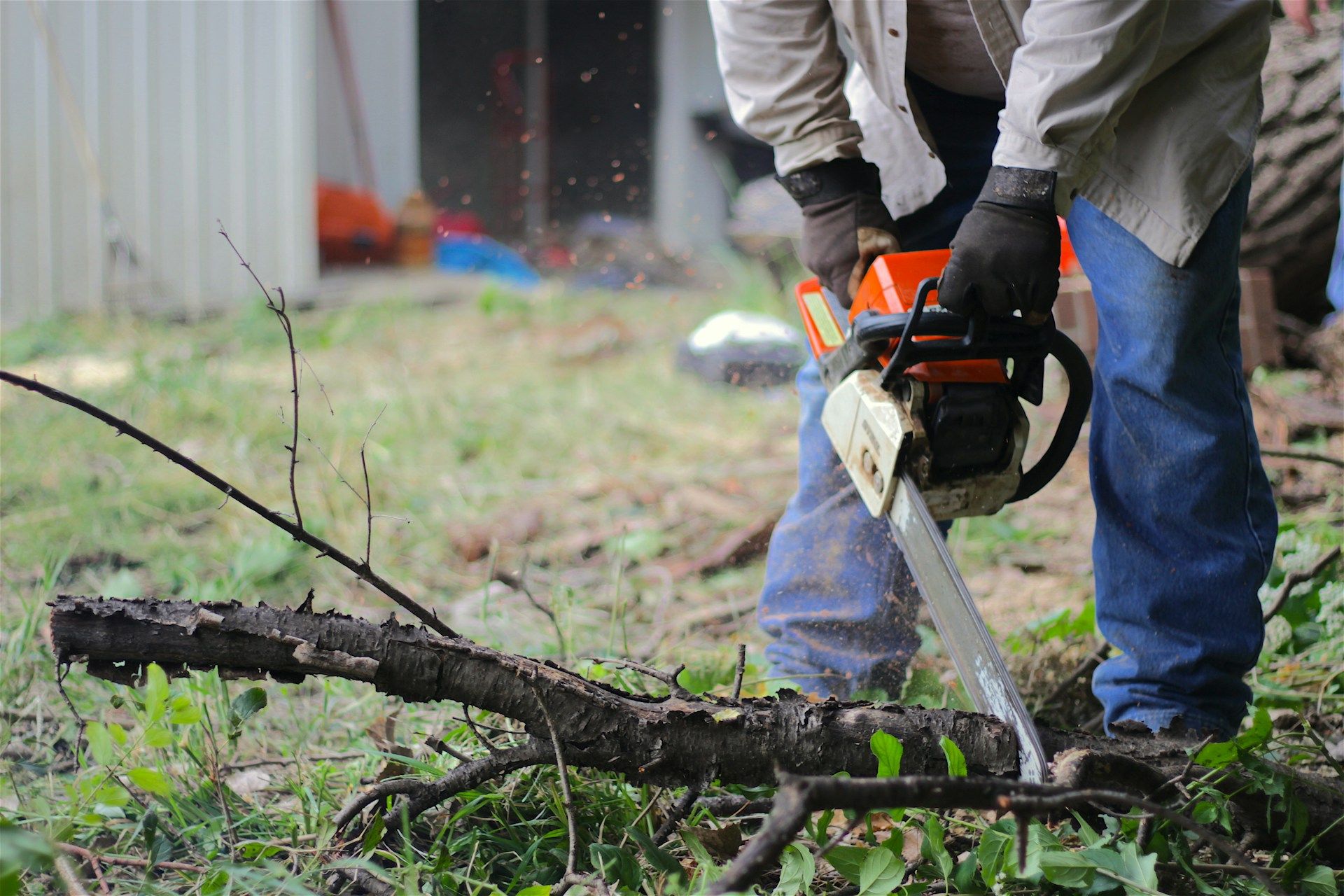
There is also a serious danger called barber chairing, where a standing trunk splits straight up while you are cutting. That split can slam backward with huge force and cause severe injury. Add in the risk of chainsaw kickback and you have a situation that can turn life-changing in a second.
Then there are ladders, roofs, and power lines. Working off the ground with a running chainsaw is dangerous even for people with experience. In our hot, humid Houston summers, sweat, slick hands, and fatigue make slips even more likely. When you mix:
- A ladder that can shift in soft soil
- Uneven roof surfaces
- Heavy limbs swinging as they are cut
you have a high chance of falls, cuts, and other injuries. If any limbs are near overhead power lines, the danger is even greater. One wrong move can lead to electrocution, which is why only trained and properly equipped professionals should work near those lines.
Professional crews use safety systems that most homeowners simply do not have. That includes:
- Helmets, chaps, gloves, and eye and ear protection
- Ropes and rigging gear to control limbs
- Clear communication on the ground and in the tree
We work with trees every day, so we are trained to read how a branch is loaded, how it may swing, and where it will land. That planning and control cuts risk in a way DIY efforts rarely can.
How DIY Tree Work Can Wreck Your Roof, Fence, and Yard
Even if no one gets hurt, DIY tree work can be very hard on your home. A small mistake in how you cut can send a branch in the wrong direction.
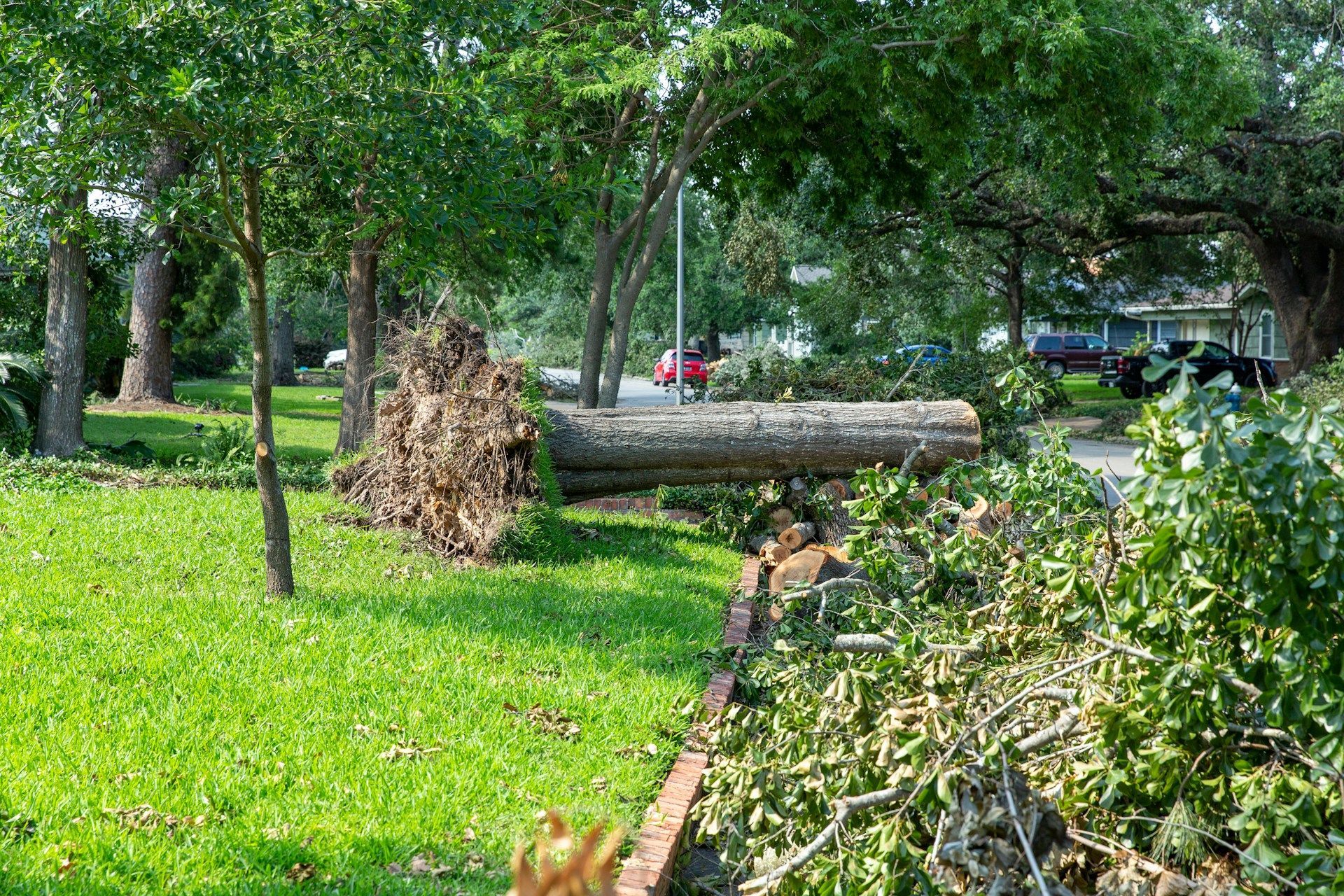
When a limb or trunk falls, it does not always follow the plan in your head. If the hinge wood is too thin, the cut is on the wrong side, or the natural lean is ignored, the tree can twist or roll as it falls. This is how many homeowners end up with:
- Holes in roofs or broken shingles
- Crushed gutters and damaged siding
- Broken fences, railings, or patio covers
- Dented vehicles or damaged AC units,
Many people also forget about what lies under the ground. Heavy limbs hitting the yard, or equipment driving across it, can crush:
- Sprinkler lines
- Septic components
- Shallow utility lines
Dragging large limbs across the lawn can rip out turf and damage landscaping beds. The cost and time needed to repair the yard after DIY tree work often comes as a surprise.
Then there is the cleanup. Cutting a tree or even a few big limbs creates far more debris than most people expect. You can end up with:
- Tall piles of brush and branches
- Heavy logs that are hard to move
- Lots of sawdust and small scraps
Sorting, cutting down to size, loading, and hauling all of that takes serious effort. Disposal can also mean extra trips and fees. Professional crews handle debris from start to finish, and many homeowners are relieved not to deal with that part at all.
Legal, Insurance, and Cost Pitfalls of DIY Tree Cutting
There is another side to DIY tree work that is easy to miss, and that is the mix of legal and insurance issues.
If a homeowner or a helpful friend gets hurt while cutting a tree, those medical bills and lost wages fall on personal resources and insurance. The situation can get even more stressful if a falling tree or limb damages a neighbor's property. In many cases, the homeowner is held responsible for:
- Repairs to the neighbor’s fence, roof, or car
- Any related disputes or complaints
- Possible changes in insurance premiums
Insurance companies can also look closely at how damage happened. If the tree work was done with risky DIY methods, or by someone who was not properly trained, some claims may get extra attention. That can lead to tough conversations around what is covered and what is not.
Many people start DIY tree cutting to save money. By the end, the real costs can be much higher than expected, including:
- Tool rentals and equipment purchases
- Fuel, chains, and small gear
- Debris disposal and dump fees
- Yard, fence, or roof repairs after something goes wrong
When you compare that to a professional tree cutting service in Katy that brings trained crews, the right equipment, and full insurance coverage, hiring a pro often ends up making more sense than it first appears.
Why Katy’s Storm Season Demands Professional Tree Care
Katy and the greater Houston area are no strangers to rough weather. Summer brings afternoon storms, and the warmer months line up with hurricane season. High winds and soaked ground can turn a tall tree into a real threat, especially if it is already stressed or overgrown.
Professional trimming and cutting before peak storm months helps reduce weak branches and extra canopy weight. This lowers the chance that a limb will snap off and land on your roof, car, or fence when the wind picks up. Calm, early planning is always safer than last-minute DIY cutting as a storm is on the way or right after one hits.
Emergency situations are a different level of risk. When a tree is already on a roof, blocking a driveway, or tangled with power lines, the structure is unstable and unpredictable. A 24/7 tree service can:
- Stabilize dangerous trees and limbs
- Coordinate with utilities when lines are involved
- Clear access paths and remove debris safely
Trying to handle that alone, especially in the dark or during bad weather, puts people in harm’s way at the very moment when safety matters most.
Safer Yards Start with One Smart Choice
A smart first step is simply walking your property and paying close attention. Look for trees that lean, limbs that hang over roofs or driveways, and branches that have survived past storms but now show cracks or dead sections. Make a list of anything that worries you.
Even if it is tempting to just cut a few limbs yourself, it is almost always safer to let trained professionals evaluate and handle the work. A careful plan, the right equipment, and local experience in Katy’s soil and storm patterns all make a big difference in how safely a tree comes down. In the long run, protecting your family, your property, and your peace of mind is worth far more than any short-term DIY savings.
Get Started With Your Project Today
If you are ready to make your property safer and healthier, our team at Apple Tree Service is here to help. Explore our professional
tree cutting service in Katy and let us handle the heavy work with care and precision. We will listen to your goals, evaluate your trees, and recommend the safest, most cost-effective approach. Have questions or want to schedule a visit? Just
contact us and we will respond promptly.