How Emergency Tree Removal in Katy Works After a Cold Snap
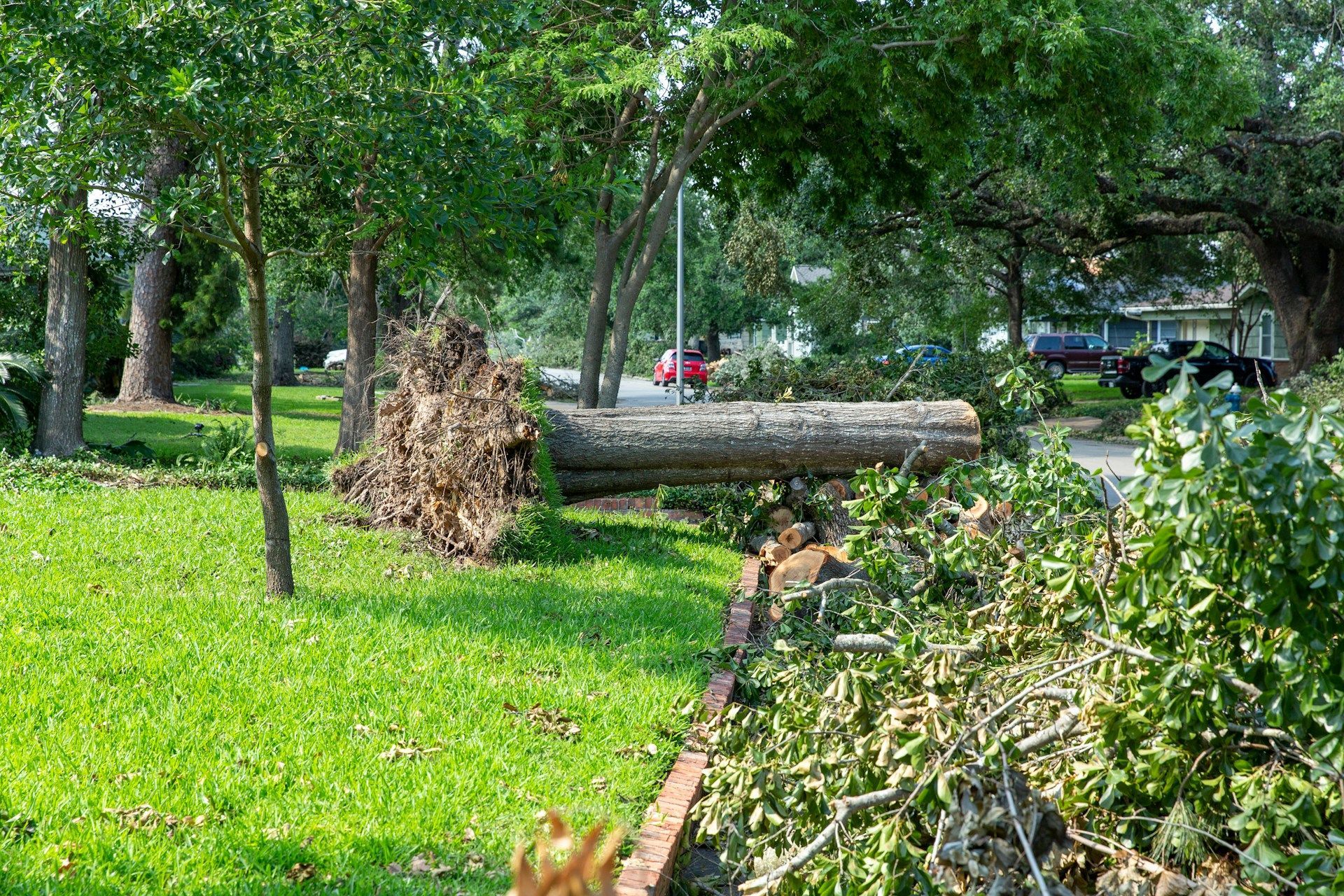
When a cold snap hits Katy, it doesn’t just freeze pipes and frost your lawn. Trees take a beating, too. Ice and sudden temperature drops can leave them cracked, leaning, or even toppled over. That’s when things can get dangerous fast. If a branch snaps under pressure or a tree starts to fall, it’s not something to wait on. Emergency tree removal in Katy, TX becomes a top priority, not a maybe.
We’ve seen how fast things can go south after winter weather rolls through. Roads may clear up, but your backyard might still have a broken limb hanging over the fence or a split trunk near the driveway. Here’s how emergency removal works after a freeze, what to look for, what to expect, and how we make sure everything stays safe during cleanup.
Spotting Trouble After a Cold Snap
Cold weather in Katy is usually short-lived, but it can still leave behind some real messes. Tree limbs that seem strong can freeze, crack, and fall under their own weight. Sometimes you won’t notice damage right away until the sun returns and the ice begins to melt.
Here’s what we typically see after freezing nights:
• Limbs drooping from hidden cracks inside the wood
• Trunks splitting near the base where cold air settled overnight
• Roots shifting in soft or soggy ground from melting ice
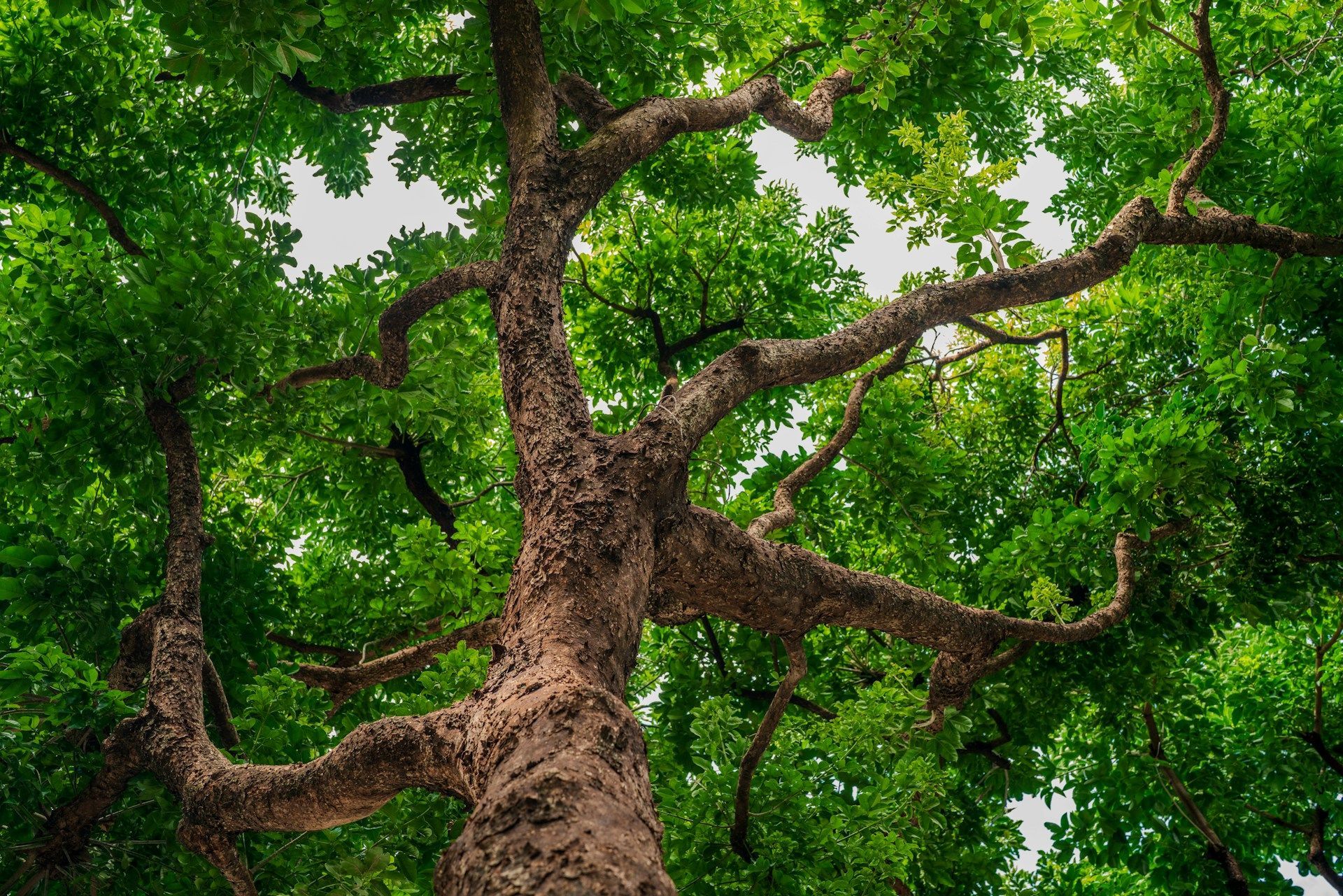
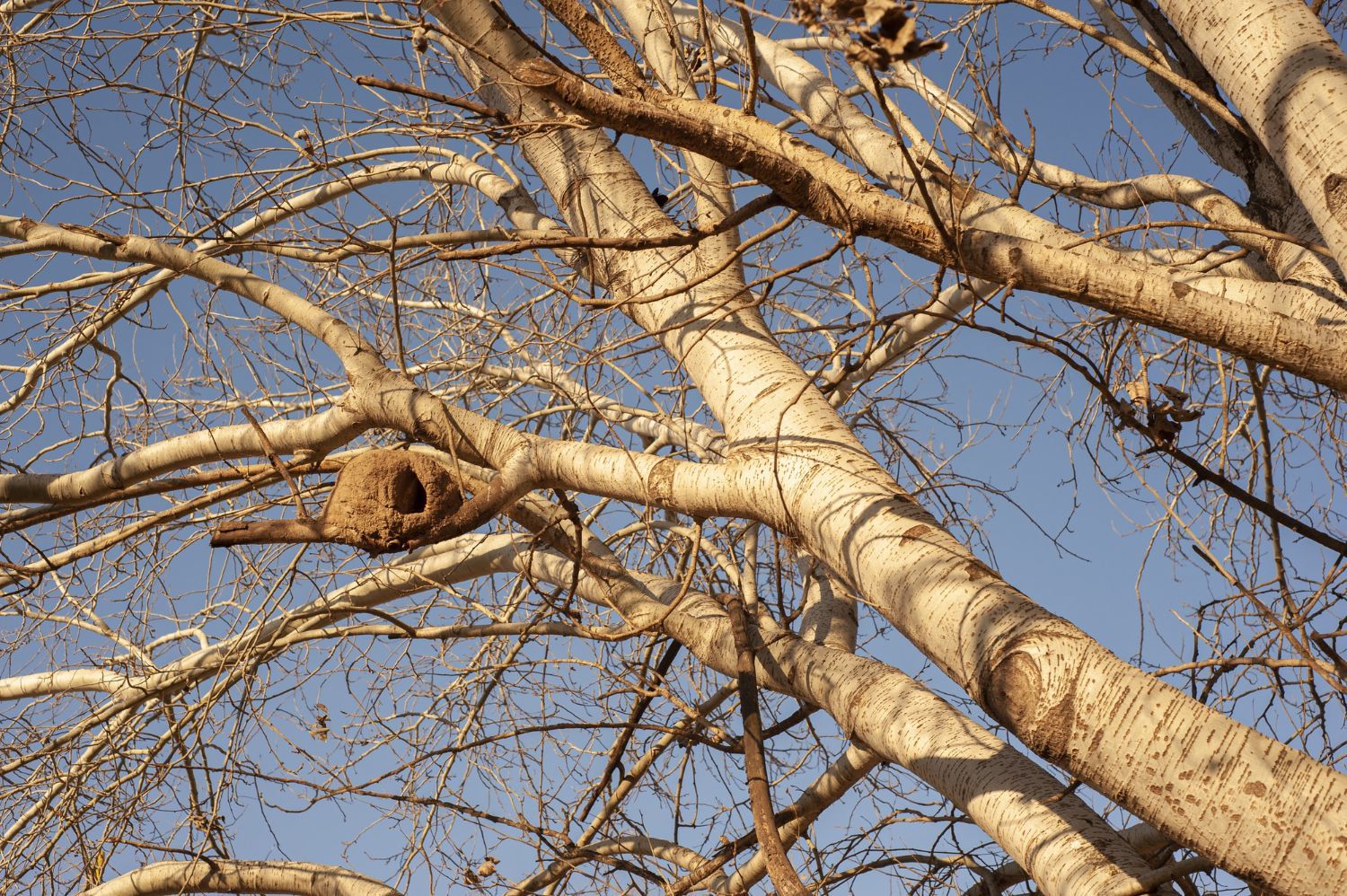
Leafless trees can make it easier to spot damage, but some signs aren’t always obvious. If a tree starts to lean where it never leaned before or new cracks show up along a limb, it’s time to get it checked. Trees that appear stable could be weakened inside. Waiting too long after the cold passes makes it easier for a bad situation to get worse. As a company with over 18 years of experience in the area, we know how different weather can affect local trees, including native oak, elm, and pecan species often seen around Katy.
If you notice thick branches suddenly hanging lower than usual, or trunks that have started showing deep creases, that’s a sign cold damage has started to affect the tree’s strength. Trees in Katy often go through quick changes in weather, which means even one frosty night can lead to bigger problems if not caught soon. It’s good to keep an eye out for branches that seem out of place, pulpy sections near the bottom, or bark that looks darker than it did before. If you have a backyard with lots of trees, checking them after a cold snap becomes especially important.
How Tree Crews Respond to Emergency Calls
When someone calls for emergency tree removal in Katy, TX, it’s usually something time-sensitive. Maybe a big limb dropped on the driveway or a tree is leaning toward the house.
The first step is to find out how urgent the problem is. Things we consider:
• Is anyone in danger?
• Is the tree touching power lines or blocking a roadway?
• Could it fall on a house, fence, or car if left alone?
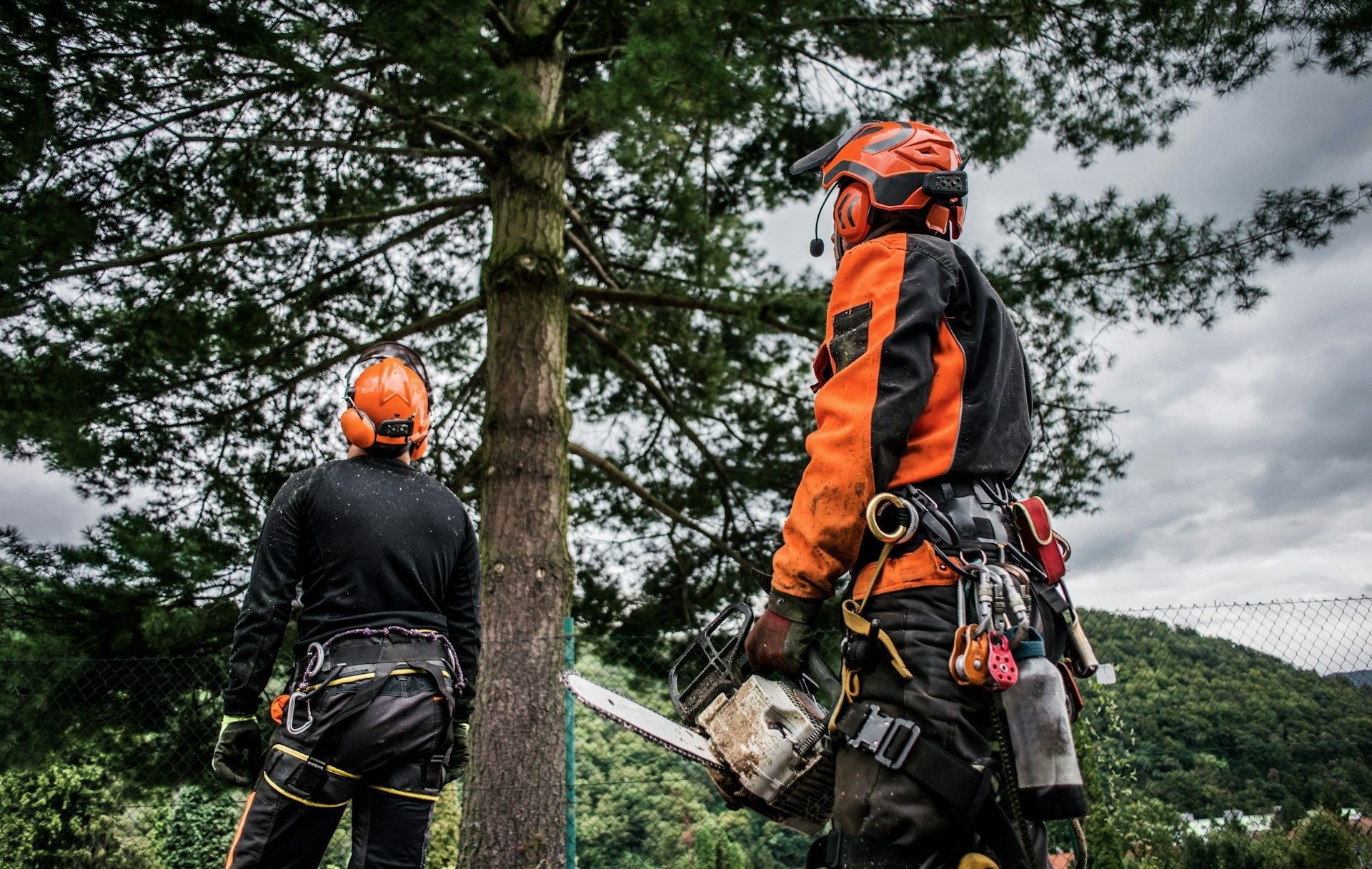
Once the situation is understood, we show up fast with the gear needed. Our tree crews are trained to handle storm-damaged trees safely and efficiently, using equipment that’s ready for work in tough conditions. The ground can be frozen or soggy, which affects how equipment is set up. Nearby branches are checked to make sure nothing else moves unpredictably. Every move is planned to keep everyone on the ground safe. That’s why we stay fully insured and bonded for every project.
Not all emergencies look the same. Sometimes, trees may fall all at once, while other times, parts of a limb or trunk are all that come down. We listen closely to homeowners about what they’ve seen or heard, then make a plan to handle the most serious risks first. We also keep communication open with people nearby, since neighbors or passersby may need to stay out of the way for safety. All these steps help keep each site in order, no matter how bad the storm damage.
What the Removal Process Looks Like
Taking down a tree after a freeze is different from working on one in good weather. Frozen wood can break without warning. Wet soil can shift under heavy equipment. Here are some of the key tools we use:
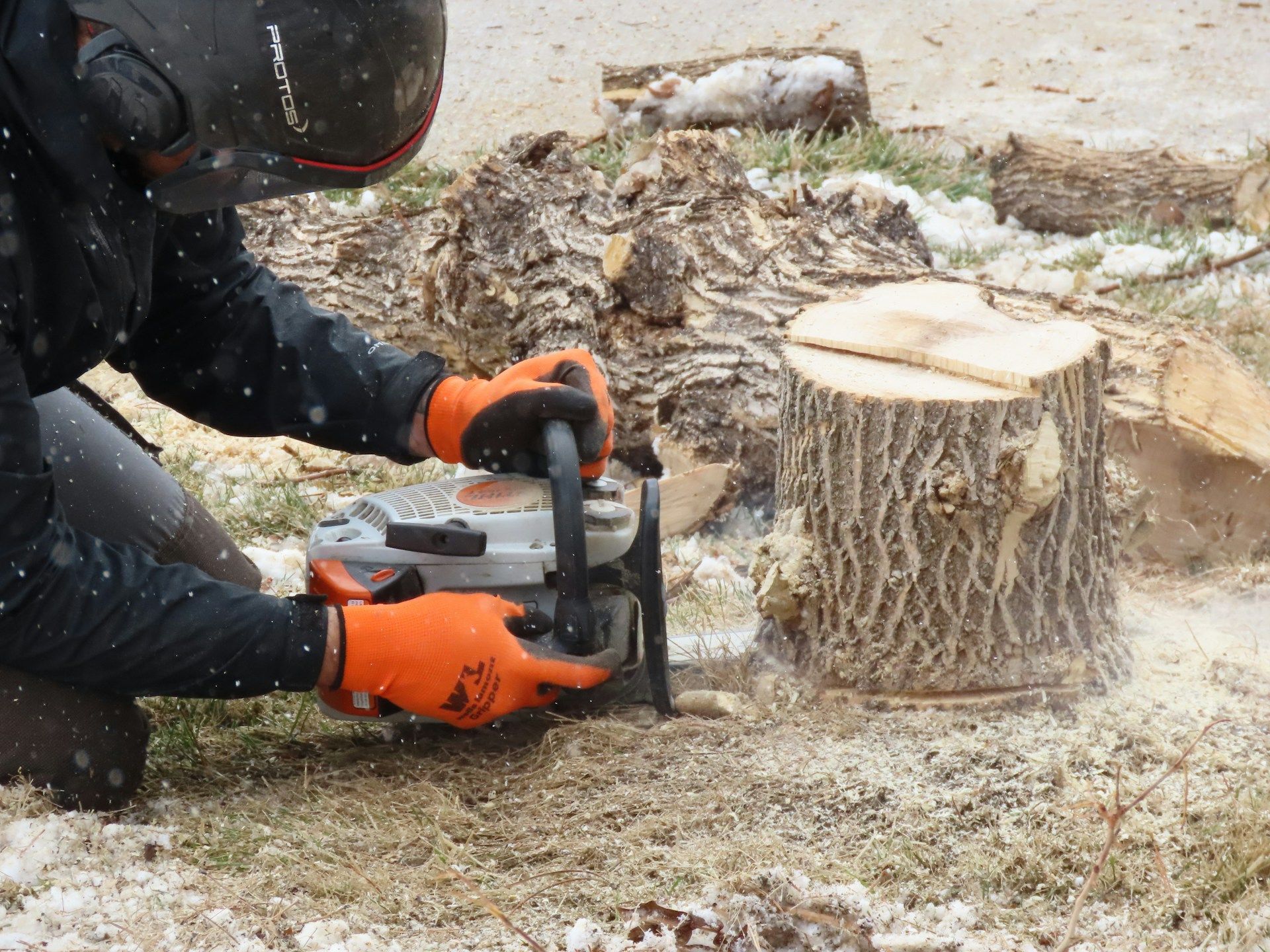
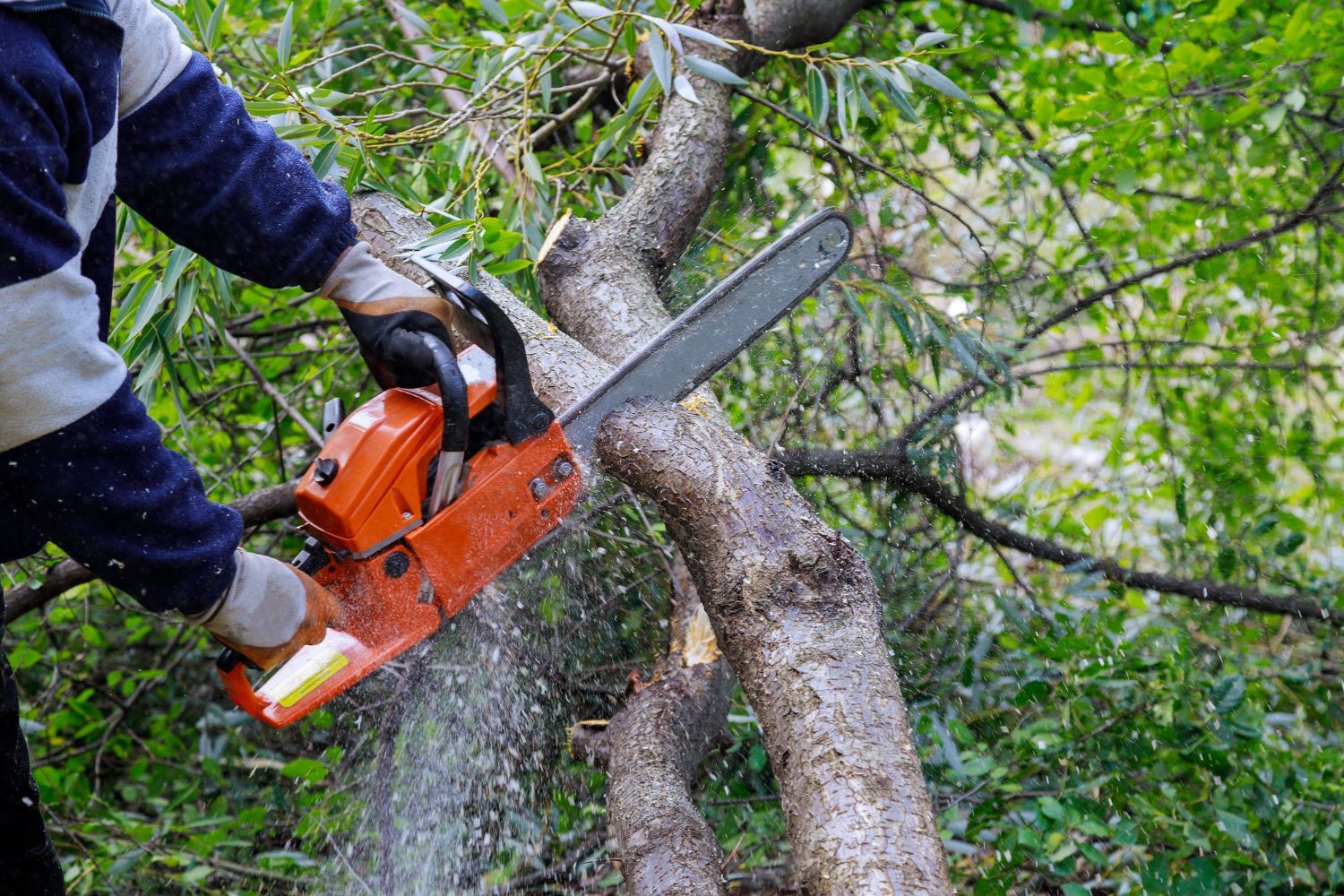
• Chainsaws that are sharp and well-maintained for cold-weather work
• Ropes, pulleys, and lifting gear to handle weakened or heavy limbs
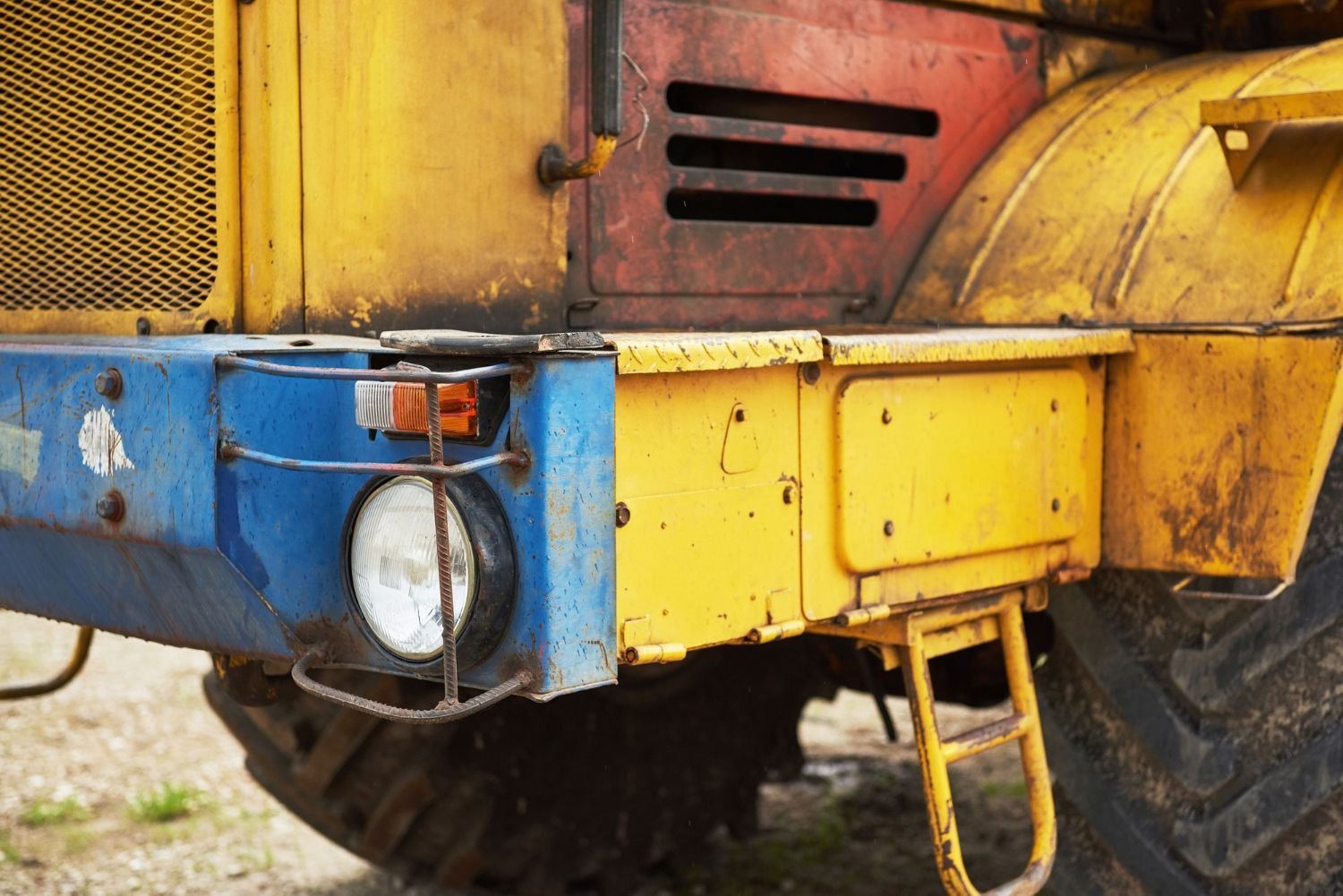
• Bobcats and removal equipment to move debris quickly and safely
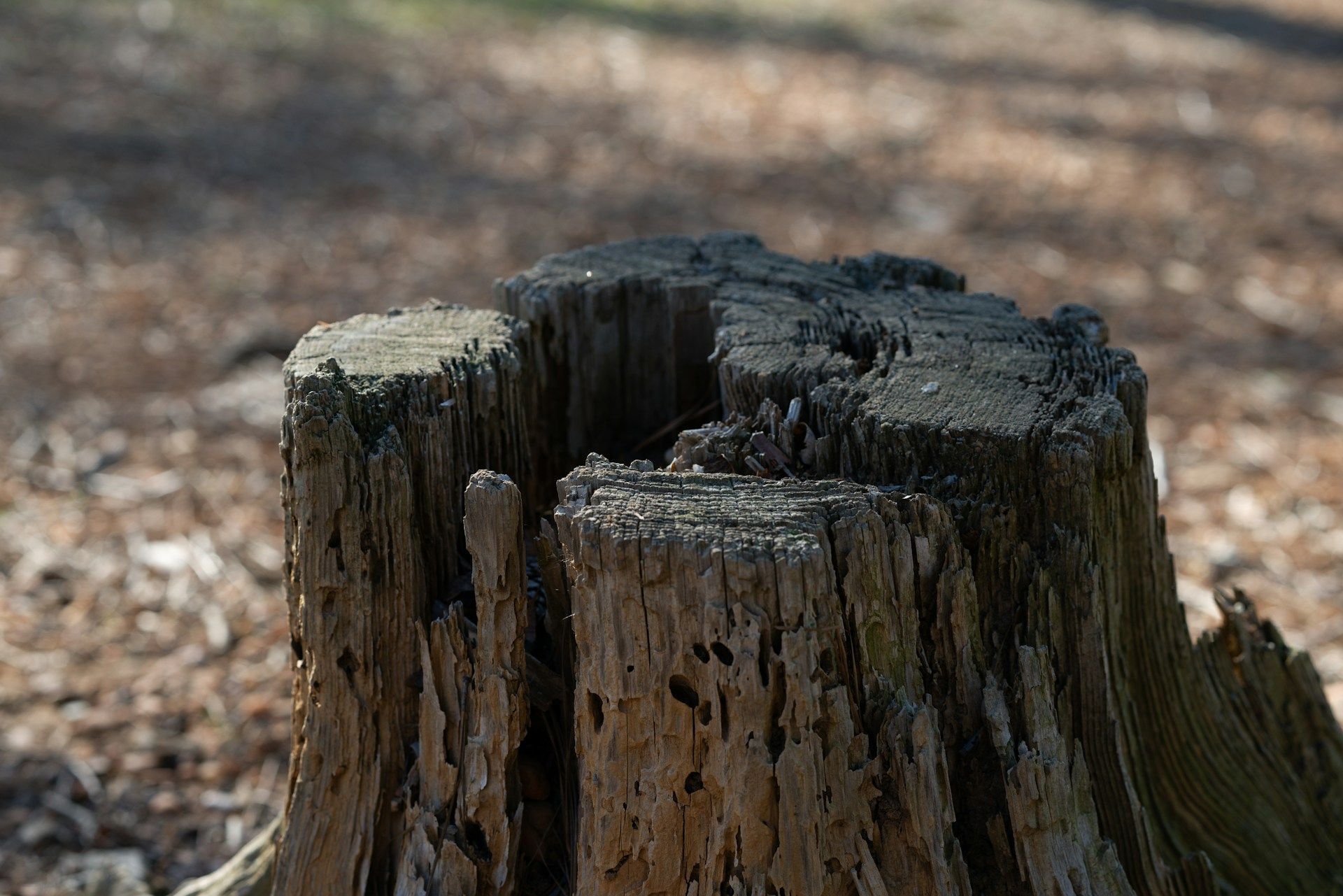
We start from the top down, trimming unsafe limbs before cutting the trunk. Once the weight is off, the remaining tree sections come down in controlled cuts. If parts of the tree are stuck in ice or tangled with other branches, it can add time, but we work steadily to keep things under control. After the tree is on the ground, everything is broken down and hauled away. Large trunks might be stacked neatly while root clumps or stumps are flagged for later removal once the ground firms up.
Sometimes, extra care is needed if branches are hanging over buildings or tangled in power lines, and we need to talk with utility companies before touching anything near wires. In tight spaces, smaller sections are cut and moved one at a time so nothing falls where it shouldn’t. Removing trees quickly and safely is about more than just cutting, it’s about checking the surroundings, staying alert for sudden shifts, and making sure nothing gets missed. Even if trees are close to gardens or play spaces, we make a plan to leave the area in good shape.
Frozen trees can hide cracks inside the wood, which makes working slower but safer. We sometimes pause to test limbs before each big move to make sure the next step won’t cause a surprise break. Piles of heavy limbs and leftover ice can block driveways or garden paths, so our teams usually work in an order that keeps spaces usable as much as possible. Stumps might need to wait a few days to be ground down, especially if the ground stays wet or muddy, but marking them clearly helps keep everyone safe until they can be fully removed.
Keeping People and Property Safe During and After
Safety doesn’t stop when the chainsaws go quiet. Part of our job is making sure the area stays steady long after we leave, especially in neighborhoods with lots of trees and close property lines.
Key things to watch for:
• Fences, sheds, and homes near the tree need room to avoid damage during removal
• Trees leaning close to a building should come down before more storms arrive
• Waiting too long after damage makes cracks worse or lets hidden problems grow
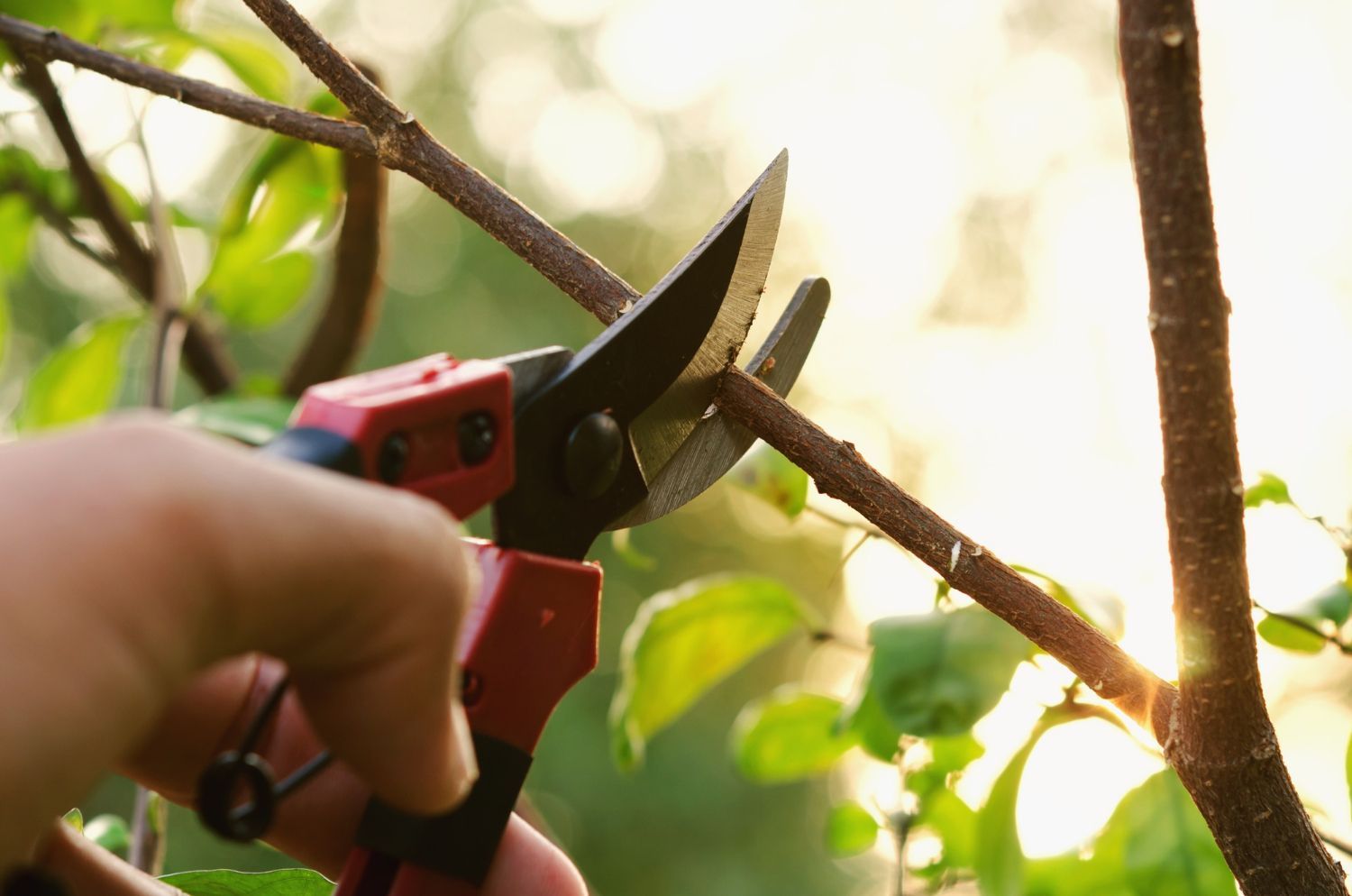
Even small branches can cause issues if they block pathways, driveways, or entry points. We make sure the area is clear and check for loose limbs that could drop later. We also offer follow-up checks or additional tree trimming to keep properties safe year-round.
It’s smart to note changes in the days after work is done. Heavy rain or extra winds can reveal leftover issues, so keeping your eyes open for leaning stumps, shifting soil, or newly exposed roots is part of staying safe. Contacting us again if anything looks different is always okay, especially since some problems don’t show up right away after a freeze.
Ready for Safer Days Ahead
After a freeze, it’s easy to think most of the trouble is gone once the temperature rises, but trees stressed by cold snaps don’t always recover on their own. Damage from ice and freezing temperatures can hide until it grows into a bigger problem. Noticing signs early or reaching out when something looks off can help yards bounce back faster.
With professional help, what looks like a winter mess turns into a tidy, safe property in no time. It doesn’t take long for experienced crews to spot trouble, remove dangerous trees, and make sure things stay safe until warmer days return.
Cold snaps can take a toll on your trees, and in Katy, even a brief freeze might lead to damage you don’t notice right away. When safety is a concern or you spot weakened limbs, we respond quickly and handle every step with care. To learn about our approach to emergency tree removal in Katy, TX, call Apple Tree Service any time.