Is Tree Shaping in Katy Right for Early Spring Trees?
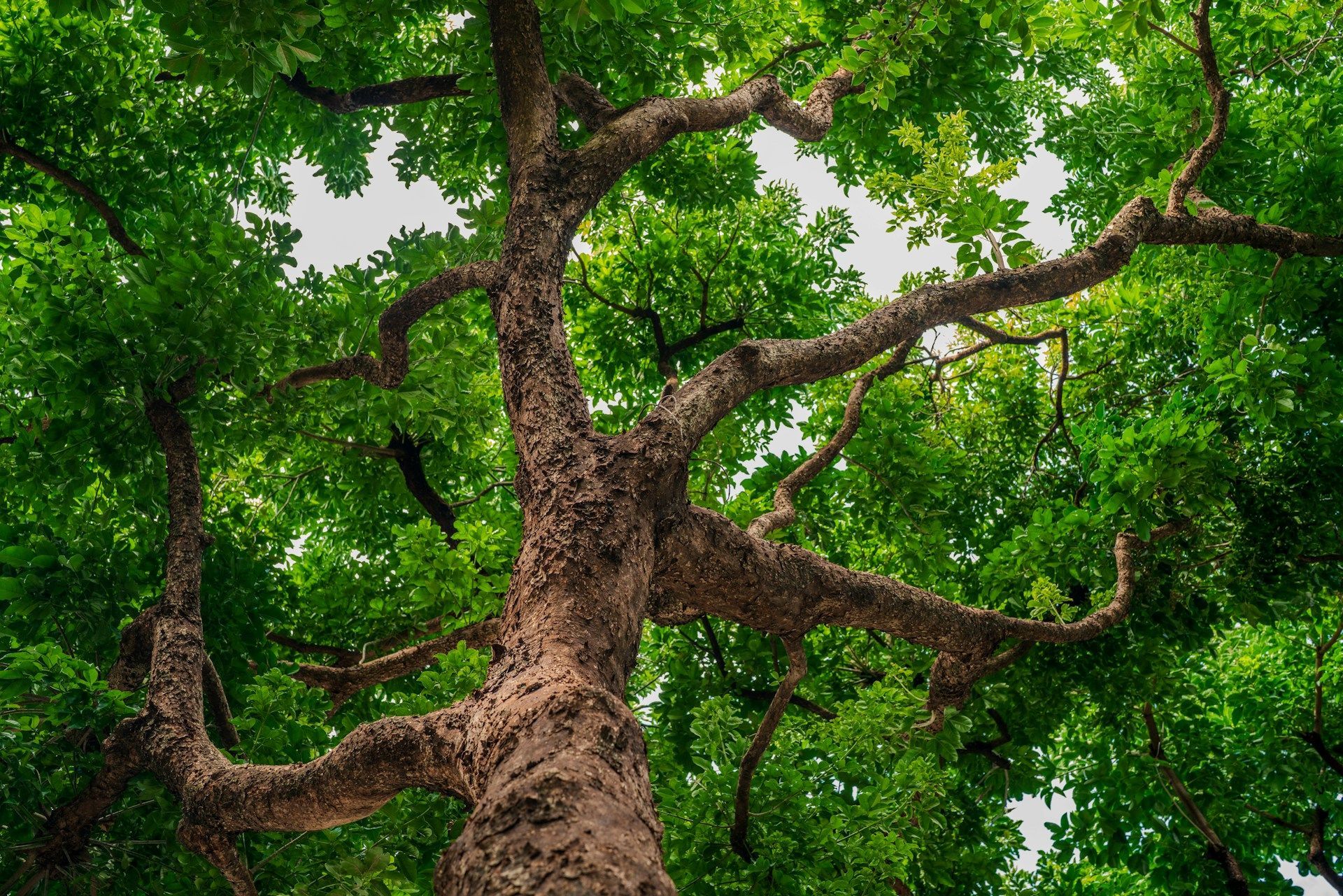
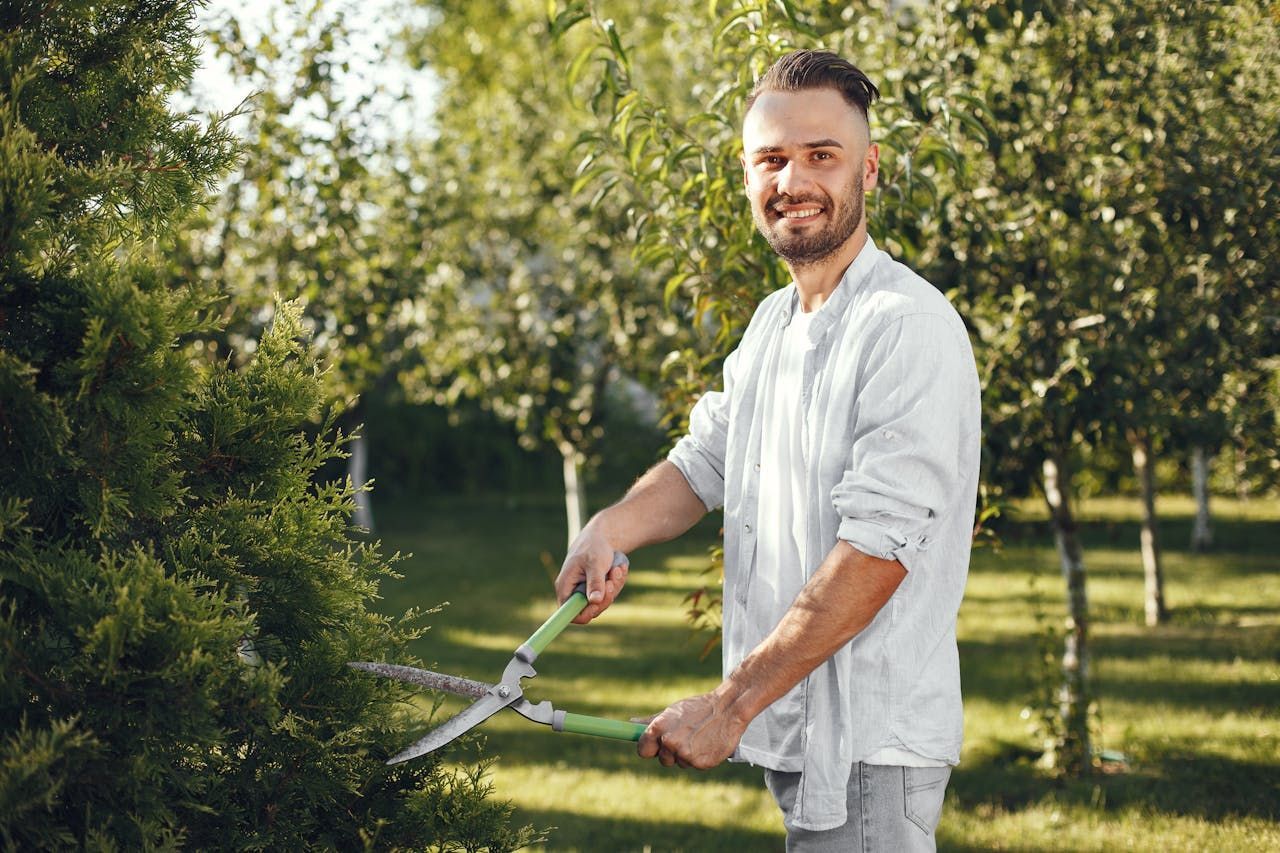
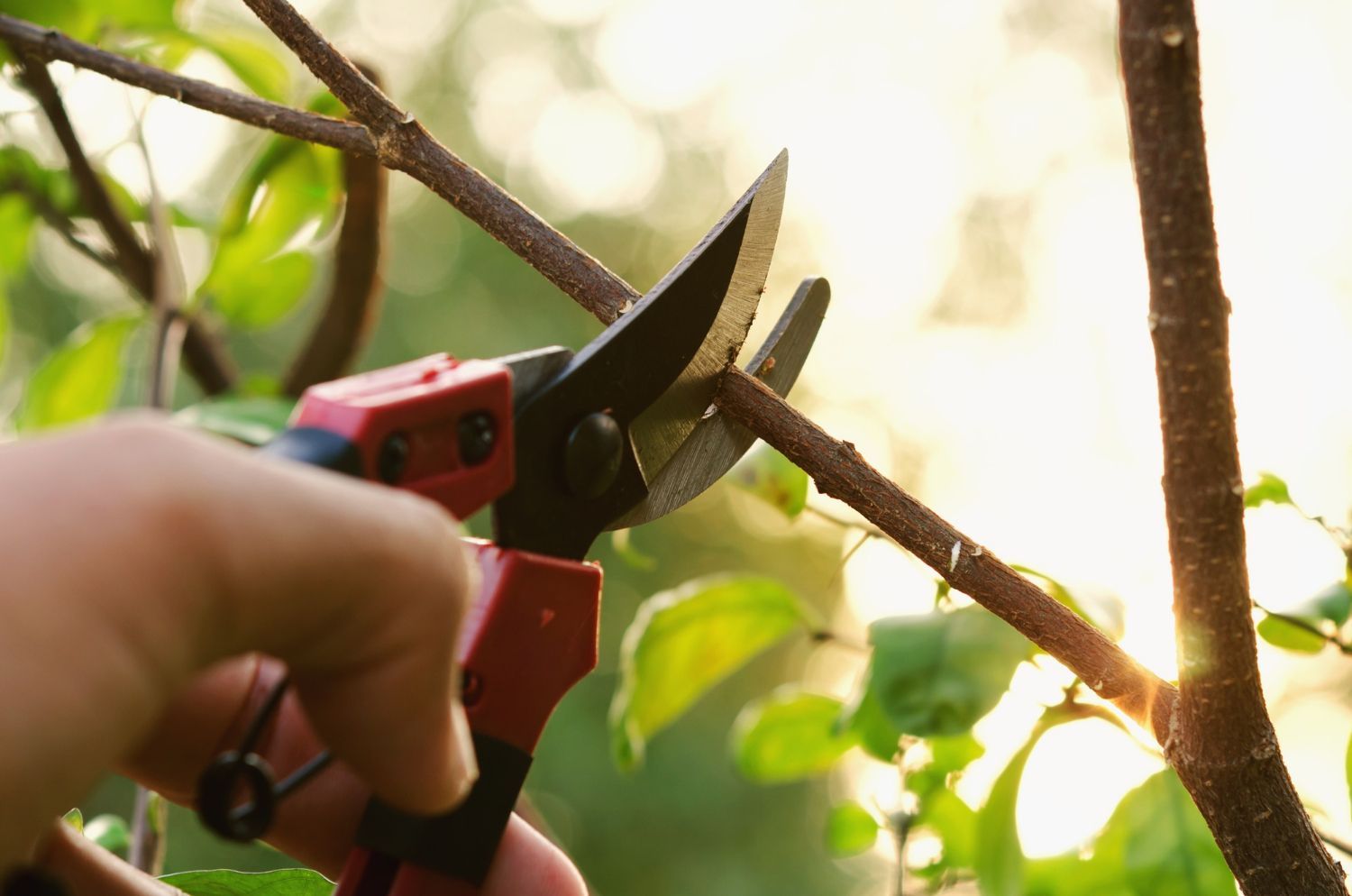
Tree shaping is a way to gently guide how a tree grows, using planned cutting to help it stay safe, healthy, and looking tidy. We’re not talking about changing its whole look. It’s more about cleaning up what’s already there so the tree can grow better in the months ahead. When you walk outside and see your trees starting to wake up after the cold, you might not realize how much a little shaping this time of year can help. It sets the tone for everything that happens in your yard as the weather warms up and plants come alive.
As winter eases in Katy, we look at early spring as a key time for tree care. Temperatures are starting to rise, but the heavy growth of summer hasn’t kicked in yet. That makes it easier to spot where shaping is needed. If you're wondering whether tree shaping in Katy, TX fits into spring yard plans, this is one of the best times to get started. The trees are just beginning to change, and it’s much easier to guide their shape before they become full of leaves and new growth.
What Makes Early Spring the Right Time to Shape Trees
Timing is everything when it comes to tree health. Early spring gives us a short window when trees are just waking up from winter but haven’t fully leafed out. That balance works in our favor. It’s a time when the trees are coming out of their rest and starting to push new growth, but nothing is too overgrown yet.
• New branches are just starting, so it’s easier to guide shape before growth gets wild
• Trees are still in a resting phase, which means light cuts do less stress and heal faster
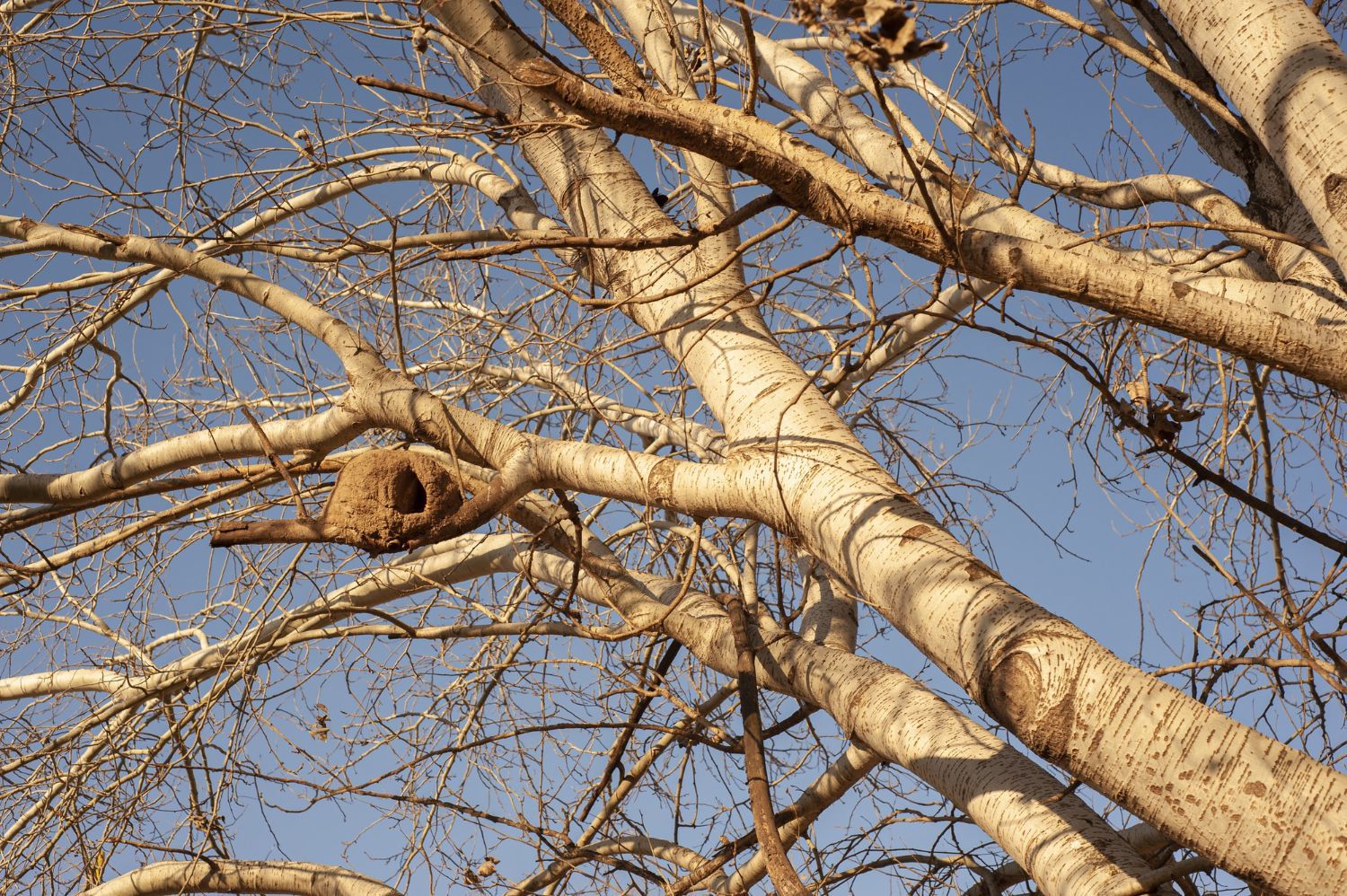
• With fewer leaves in the way, we can clearly see what’s weak, broken, or growing unevenly
In Katy, the weather begins to shift quickly this time of year. Getting ahead of that growth while temperatures are still mild sets trees up for a stronger season. The cool mornings and warming days allow for comfortable working conditions, where people and trees both are less stressed. Shaping trees now lets them put their energy into healthy, well-placed branches instead of wasting resources on limbs that will need to come off later. Our team at Apple Tree Service offers careful trimming and shaping tailored to local tree types, with safety and appearance close in mind every step of the way.
How Tree Shaping Can Help Keep Yards Safe and Tidy
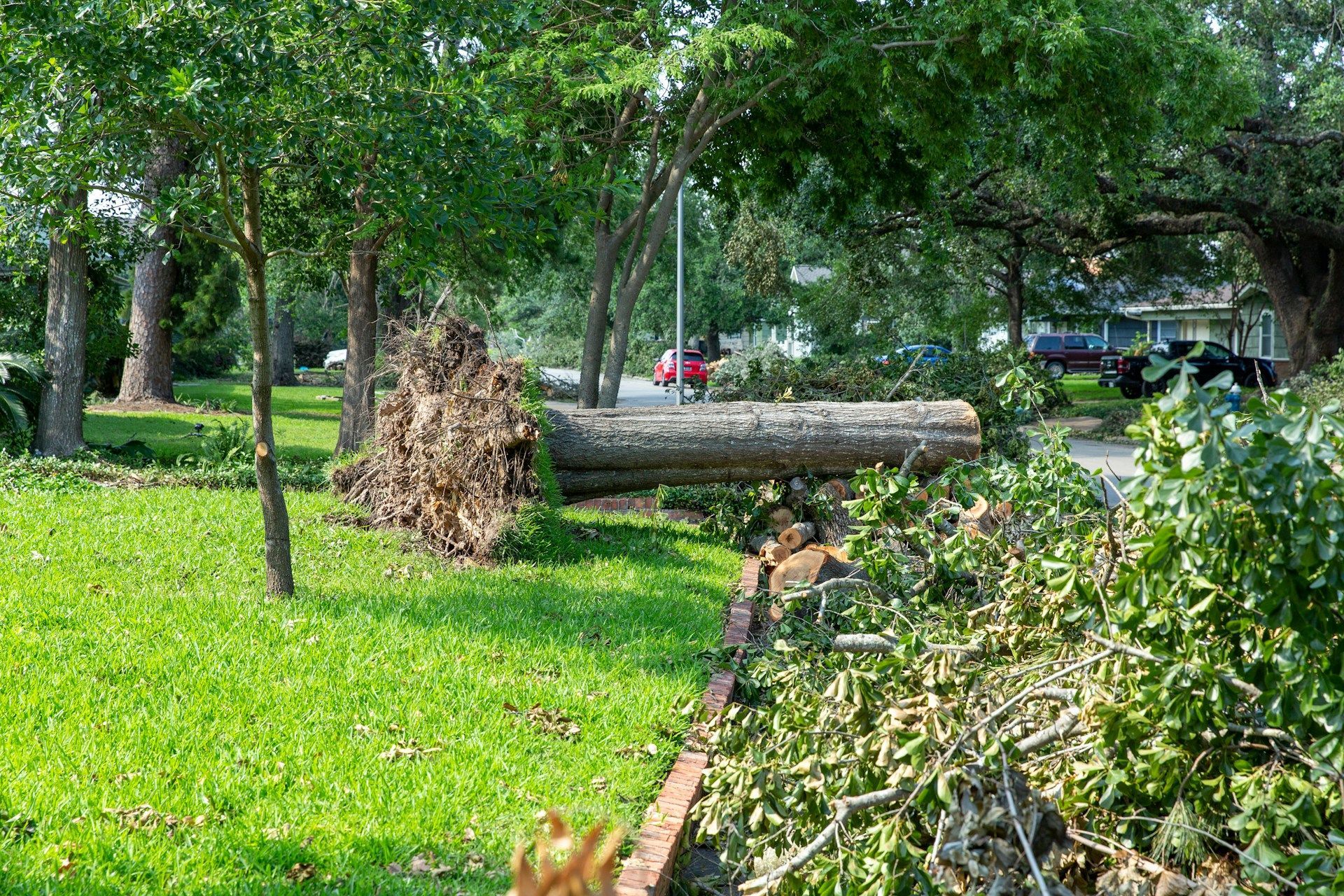
Well-shaped trees don’t just look nice. They’re safer and easier to deal with once spring storms start rolling through. When storm season comes around, trees that have heavy limbs or branches pointing the wrong way can turn into hazards. Some limbs might dangle over your roof or block pathways, which is both risky and inconvenient.
• Heavy or uneven limbs are more likely to snap when wind and rain return
• Removing low branches keeps walkways clear and makes mowing easier
• Shaped trees are less likely to grow too close to gutters, walls, or fences
We often find that small problems in March turn into bigger ones by summer. Early shaping gives us the chance to prevent that with just a little work. It also helps the tree balance its weight, so one side doesn’t get too heavy and start to lean or break later. This can also make it easier to take care of other spring chores, like cleaning gutters or raking leaves, because you’re not dodging extra branches. Apple Tree Service is fully insured and bonded for your peace of mind, so you know your property and trees are in careful hands. Safe yards matter, and shaping trees in spring keeps them from creating problems for you, your family, and your neighbors.
What Types of Trees Benefit Most from Spring Shaping
Not every tree needs shaping now, but several popular types in our area respond well to it when caught early. If you’re unsure where to begin, start with trees that have shown quick growth, tangled branches, or uneven canopies. Oaks, crape myrtles, and elms are common choices because they blend in with our Texas landscapes and really show their best when shaped early.
• Oaks, crape myrtles, and elms usually handle spring shaping without trouble
• If the winter was colder than usual, some trees may show signs of stress like brittle limbs or slowed budding
• You might notice one side growing faster, or branches that seem tangled or crossed, those are good signs it’s time for shaping
It’s a good idea to walk around your yard and check for areas that look crowded or uneven. Early spring gives us the chance to watch signs like these and make helpful cuts before growth takes off. By acting early, you can help make sure each tree gets the sunlight and air it needs, preventing the build-up of possible pest or disease problems. Waiting too long means thicker limbs and more effort down the road. The more you let growth pile up, the bigger the job gets and the more likely you’ll need large branches removed, which can stress and scar the tree more than if handled in the mild early spring. If you’re in doubt, paying attention to the trees that have struggled in past seasons or that have grown rapidly is a good place to begin.
Why Leave Tree Shaping to the Pros
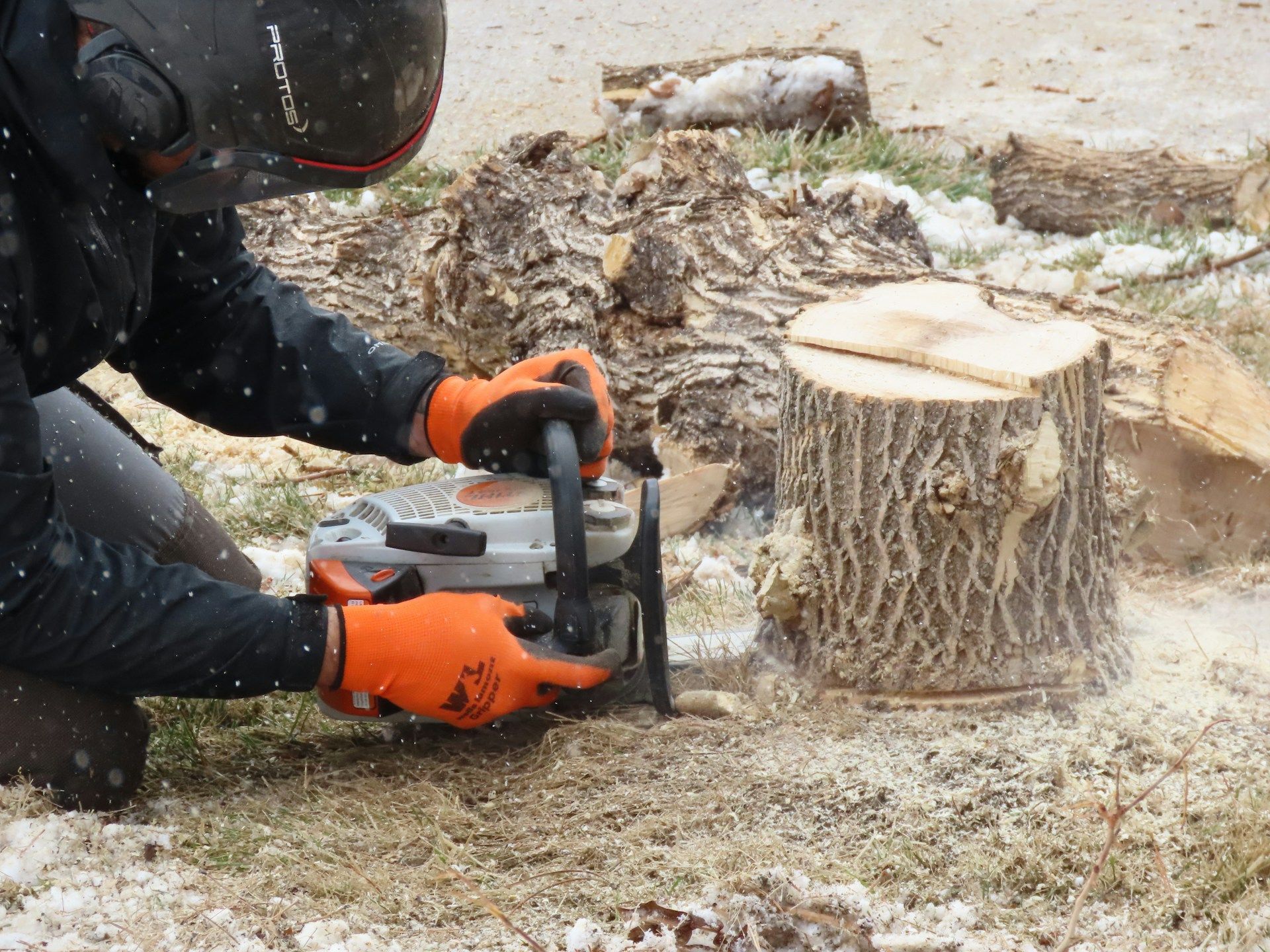
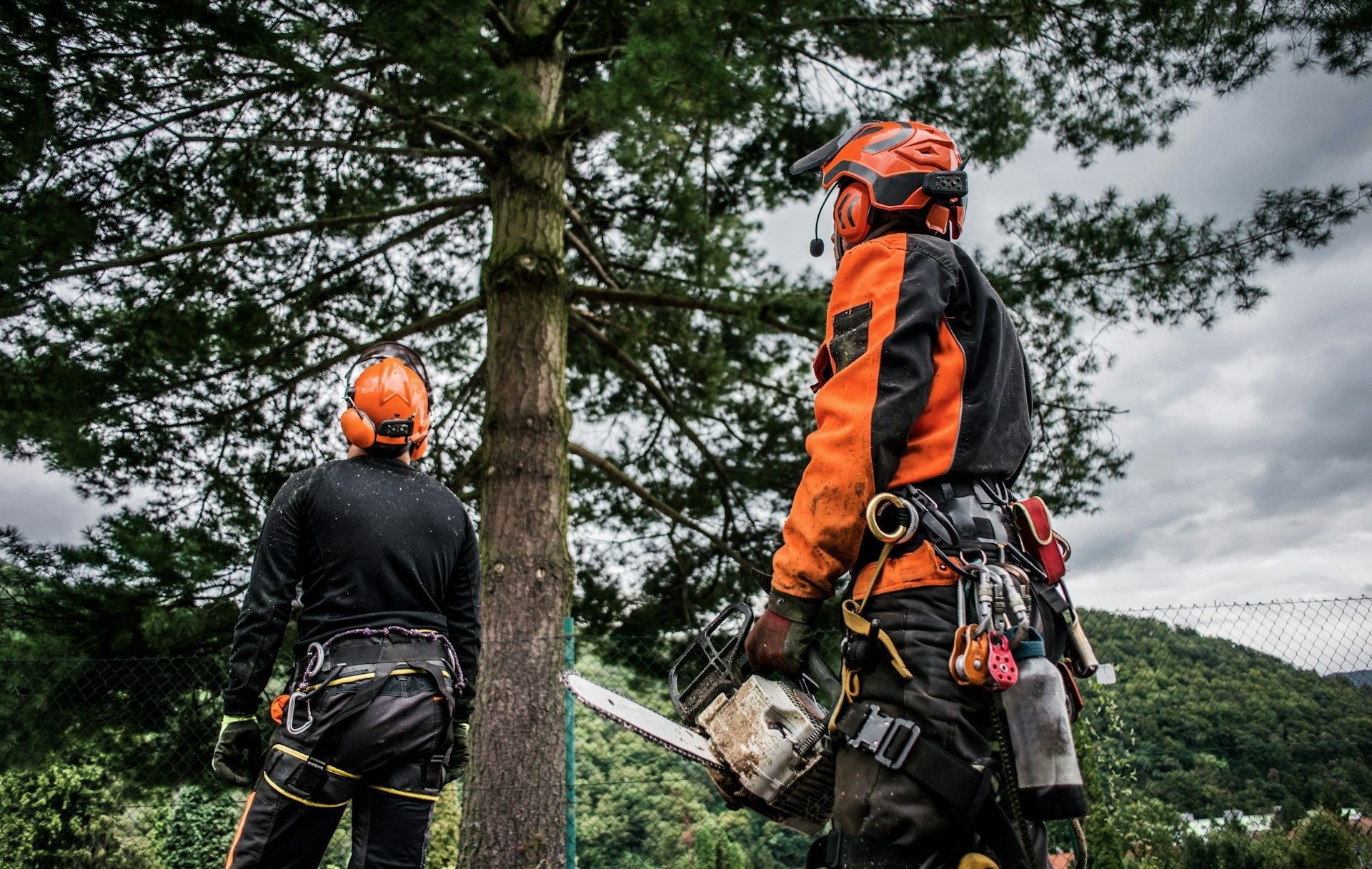
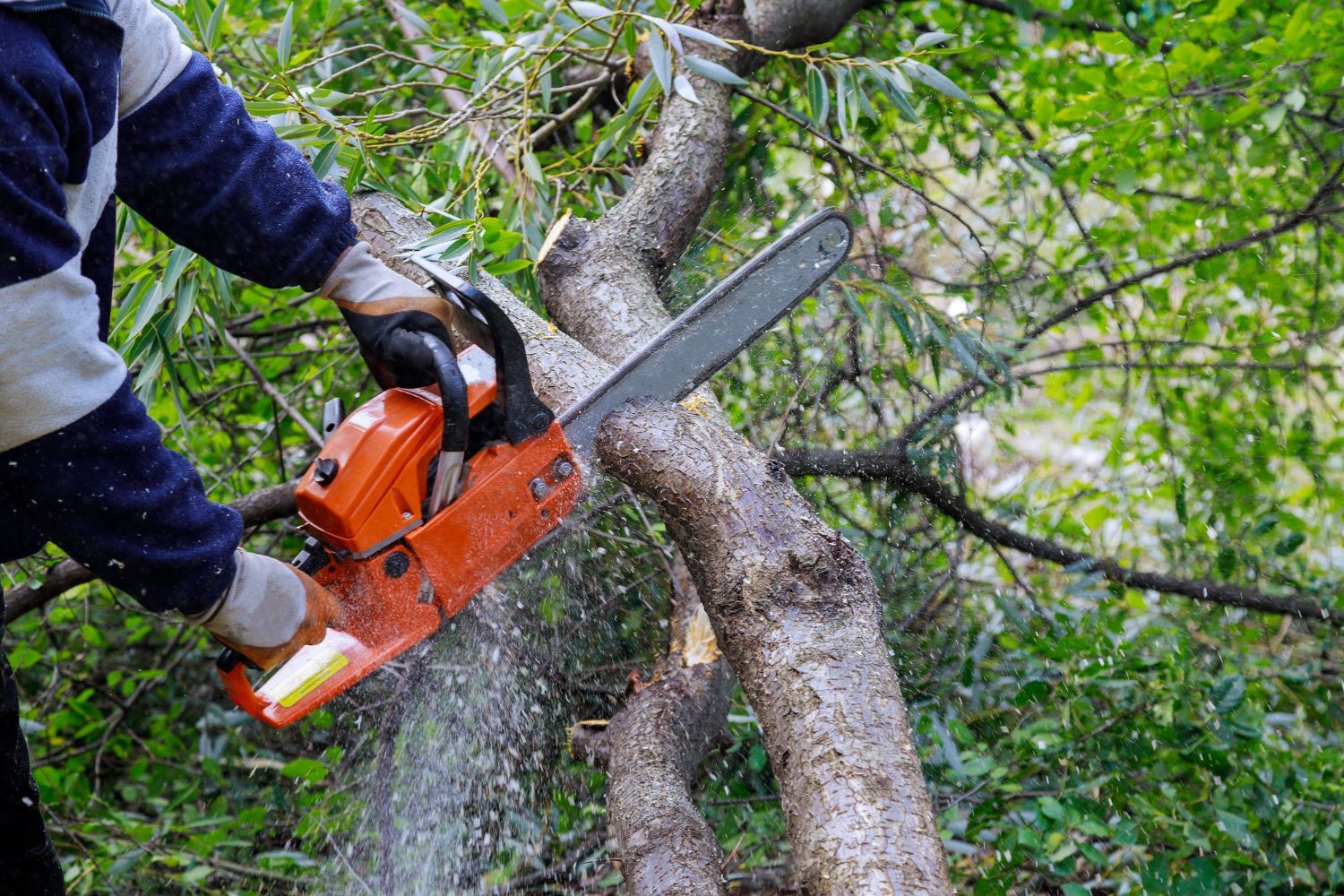
Tree work always seems simple until you’re ten feet up and halfway through a cut. Beyond just the height, there are risks to both people and trees when shaping is not done right. Even with the right tools, shaping high branches or large trees is a lot more complicated and risky than it looks from the ground. For some jobs, you need ladders, safety gear, or even special equipment.
• Fallen branches near roofs or wires can get dangerous fast
• Cutting too much too soon can leave a tree out of balance
• Some problems hide in plain sight, like disease in a limb that still looks green
When cuts are made in the wrong place, the tree can get lopsided or start to grow awkwardly in the next season. There’s also the hidden danger of decay or insect problems that aren’t always obvious until you’re close up. We’ve seen trees damaged by well-meaning people who weren’t sure where to cut or how much. If you cut at the wrong spot or take off too much, it can send a tree into shock or make it a bigger risk during storms.
Professional shaping means less guessing, fewer risks, and healthier trees long term. Trained tree service crews spot issues before they turn into headaches, and know exactly how to shape for best results. With over 18 years of service in Katy, our team brings local know-how and proven skill to every seasonal tree shaping job. That means you can relax, knowing they’ll use good safety habits, identify hidden trouble, and handle clean-up when the work is finished. Tree pros also know how to make cuts that heal fast and keep bugs and disease away, giving your trees their best shot at a healthy start.
A Smart Start for a Healthy Season
Spring in Katy comes fast. Before we know it, trees are full of leaves and heat is back in full swing. Getting a jump on tree shaping now gives us a smoother season ahead. An early start with shaping means your trees have time to heal before it gets hot or storms roll in. With thoughtful care now, you’ll notice thicker canopies, more even shapes, and fewer messy surprises down the road.
When trees are shaped early, they grow thicker canopies, spread their weight better, and take up less room in awkward places. That means fewer worries when storms hit, less cleanup later, and a lawn that’s easier to manage all season.
With spring growth already underway, this is the right stretch of time to guide your trees in the direction they need to go. Good shaping now keeps them safer, stronger, and easier to enjoy as the weather warms up. The benefits will last all season, from better shade to fewer fallen limbs. The peace of mind you get from a tidier, safer yard is worth the planning it takes in early spring.
As your trees begin to awaken this spring, a little expert guidance can make all the difference. Early trimming protects against future damage and directs growth where it’s needed most. We recommend attentive, seasonal care that accounts for the changing weather in Katy, Texas. Not sure how to get started with
tree shaping in Katy, TX? Let Apple Tree Service help you plan ahead and find the right time for your trees' needs.